Technology & innovation

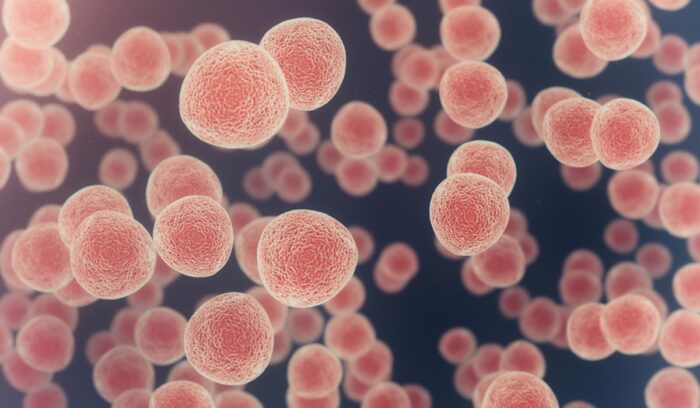
Cancer Cells under microscope

Thousands in the U.K. to trial breakthrough personalized cancer vaccines

Under the new scheme from the U.K. National Health Service, the first of its kind in the world, patients who meet the eligibility criteria and agree to have a blood test and sample of their cancer tissue analyzed will gain immediate access to clinical trials for the new vaccines that experts say represent a new dawn of treatments for cancer. While research into cancer vaccines is at an early stage, trials have already shown they can be effective at killing off any remaining tumor cells after surgery and dramatically cut the risk of cancer returning.
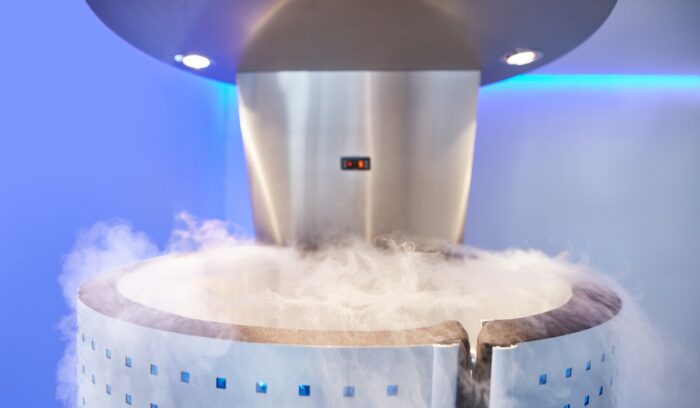
Cryo sauna for whole body cryotherapy

Cryo-cooling breakthrough slashes the energy cost of serious cold by 71%

Cryogenic cooling is used to preserve tissues, eggs, sperm, and embryos and CAT scanners, CERN’s massive particle accelerators, and the James Webb Space Telescope possible. It may also one day be the key to making fusion power or quantum computers a reality. However, it is also quite energy-intensive. Fortunately, researchers at the U.S.’s National Institute of Standards & Technology have recently discovered a way to reach near-absolute zero up to 3.5 times faster or using about 71% less energy.

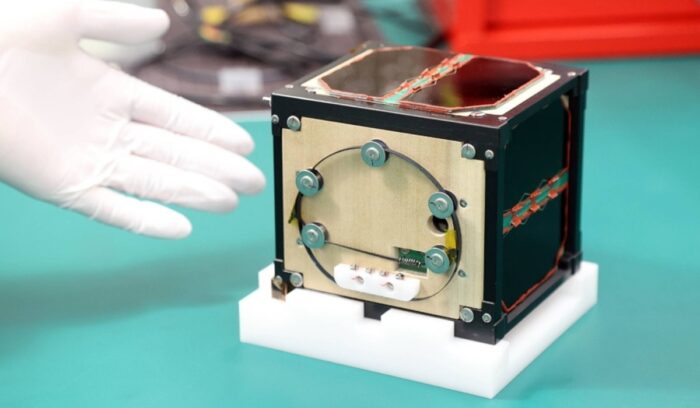
Wooden satellite

Japanese scientists build world’s first wooden satellite

The satellite dubbed LignoSat, a collaboration between Kyoto University and the company Sumitomo Forestry, is reportedly slated for launch in September onboard a SpaceX rocket. If successful, the tiny device — just four inches on each side — could represent a major breakthrough in space sustainability efforts. The idea is that it’ll burn up entirely upon reentry, vastly reducing its environmental impact compared to traditional metal spacecraft.

A neuron or nerve cell is an electrically excitable cell

Breakthrough synapse-regenerating ALS pill moves to phase 2 human trials

Spinogenix, a clinical-stage biopharmaceutical company based in California, has developed SPG302, a unique once-a-day pill that regenerates the gaps, called synapses, between neurons to restore communication in ALS patients. Following promising results from clinical trials to evaluate the drug’s safety, the FDA has approved the company’s Investigational New Drug application, paving the way for further trials and a possible watershed moment in the treatment of the fatal disease.

Cargo ship at sunset

New piloting approach cuts cargo ship emissions by 17.3% in first trials

Currently, most cargo ships go as quickly as they can from port A to port B. When they get there, they sit still and wait at idle, continuing to burn fuel, until it’s time for them to dock. The Blue Visby Solution simply tells the ships to slow down, so they arrive at port right on time. Pushing all that bulk through the water at a slower speed cuts down hugely on hydrodynamic drag, so the engines burn considerably less fuel.

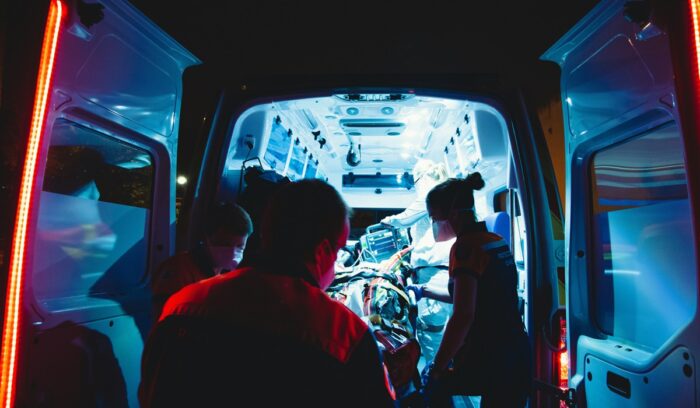
Ambulance and EMT workers at night

Researchers develop a ‘game-changing’ blood test for stroke detection in the field

Stroke is the top cause of disability worldwide—and the second leading cause of death—but early intervention can prevent severe consequences, and a new tool could be a game-changer. Researchers at Massachusetts’ Brigham and Women’s Hospital developed a new test by combining blood-based biomarkers with a clinical score to identify patients experiencing large vessel occlusion strokes (LVO) with high accuracy.

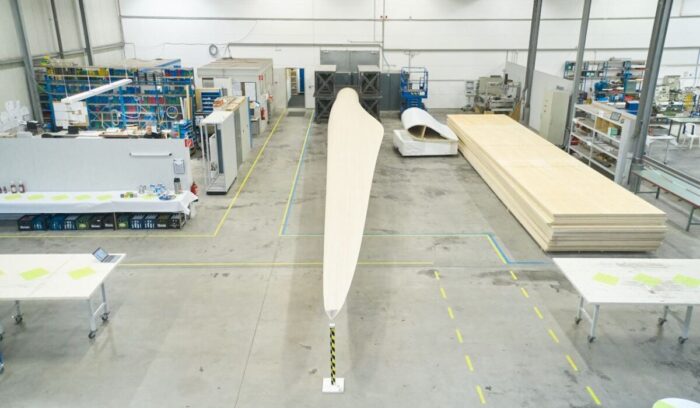
Wooden wind turbine

World’s first wooden wind turbine blades installed in Germany

Wooden wind turbines promise to significantly reduce CO2 emissions during construction and production costs compared to current turbine blades. Designed and manufactured by Voodin Blade Technology, a German pioneer in wind turbine blade manufacturing, the laminated veneer lumber blades are a more sustainable construction material than current materials and allow for easier recycling of decommissioned blades.

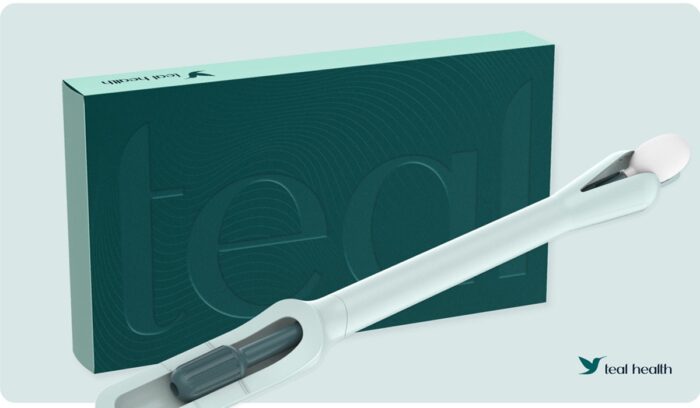
Teal Wand

Groundbreaking at-home cervical cancer test granted ‘breakthrough’ status by U.S. Food and Drug Administration

The Teal Wand is an at-home self-collect device that aims to improve rates of screenings and provide a comfortable and accessible alternative to traditional pap smears. The U.S. Food and Drug Administration has now granted the Teal Wand with Breakthrough Device status; a designation awarded to medical devices that the FDA considers “life-saving” or “life-changing.”

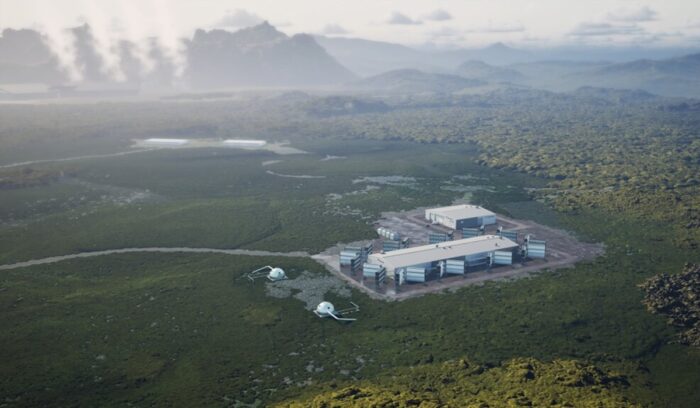
ClimeWorks Mammoth carbon removal plant

The world’s biggest carbon removal factory opens in Iceland

In 2021, the world’s first large-scale carbon removal plant started sucking CO2 from the air in a remote corner of Iceland. Now Climeworks, the company behind it, has opened a version that’s ten times larger. The new plant, called Mammoth, has installed 12 modular containers so far. By the end of the year, it will have 72, with the capacity to capture around 36,000 tons of CO2 per year.

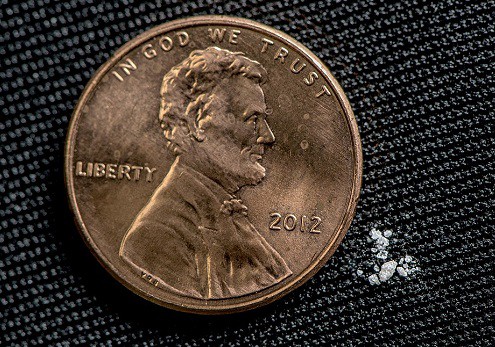
px Fentanyl mg A lethal dose in most people

New sensor is six orders of magnitude more sensitive than any electrochemical sensor for the deadly drug

Synthetic opioids are one of the main drivers in overdose deaths in the United States. They are often mixed with other drugs, but because of their potency, they are often present in such small amounts that they can be hard to detect. The new sensor, developed by researchers at the University of Pittsburgh, uses carbon nanotubes and gold nanoparticles to tell the most deadly drugs apart from others.