
E.U. bans almost all coal mining
Every unprofitable coal mine in the European Union must cease production by the first day of 2019, the date on which all public funds for the mines will come to an end.

Every unprofitable coal mine in the European Union must cease production by the first day of 2019, the date on which all public funds for the mines will come to an end.
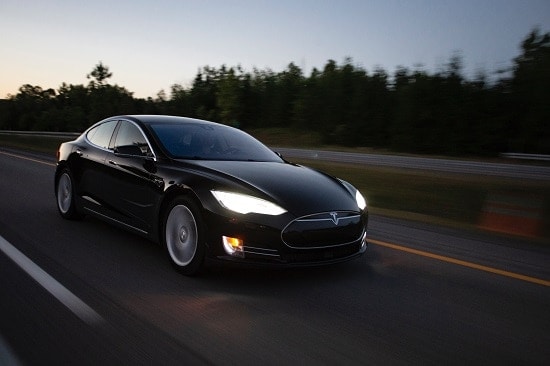
With a new generation of EVs beginning to hit the market, and massive numbers of public chargers under construction from coast to coast, the electric future is beginning to take shape.

Washington D.C has unanimously passed a bill to ensure the state runs on 100 per cent renewable energy by 2032.

By the year 2029, all new mass transit buses in the whole state will have to be fully electric, according to a new rule adopted unanimously by the California Air Resources Board (CARB).

The projects funded by the new investment could help cut carbon emissions equivalent to those created by 800,000 cars a year.

More than 680 gigawatts (GW) of new wind power is expected to come online around the globe in the next decade, more than doubling current capacity, according to new research from Wood Mackenzie Power & Renewables.

Electricity from sugar cane now accounts for 14 percent of the island’s needs and, when combined with other renewable sources such as solar, wind and hydro, provides nearly a quarter of daily consumption.
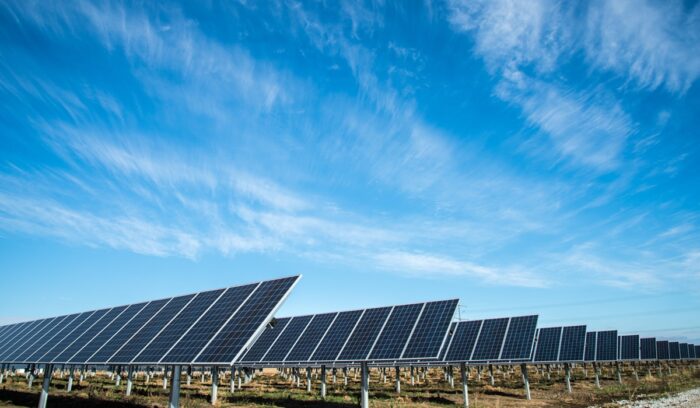
Spain’s proposals, set to be adopted by the cabinet in coming weeks, spell out an ambitious target to draw 100 per cent of the country’s electricity from renewables by 2050.

In 2018, 42% of the world’s coal-fired power stations are running at a loss and by 2030, in virtually every case (96%) it will be cheaper to build new renewable energy capacity than to keep coal plants running, according to a new study.

The World Bank said the move represented a significantly ramped up ambition to tackle climate change, sending an important signal to the wider global community to do the same.