Technology & innovation

Mt. Everest

Chinese drones to transport trash from Nepal’s Mount Everest

Nepal is set to deploy Chinese-made drones to transport garbage from the slopes of Everest, marking the first time unmanned aerial vehicles (UAVs) will be used commercially in the country’s high-altitude zones. This initiative announced by China’s leading drone manufacturer, Da Jiang Innovations aims to reduce the risks faced by Sherpas and improve waste management on the world’s tallest peak.
Vials of blood

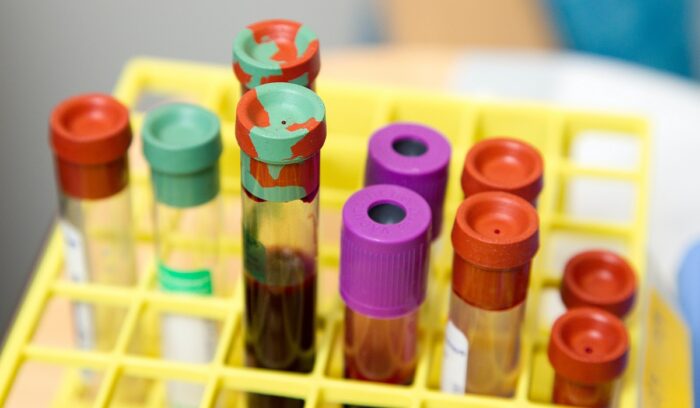
U.S. Food and Drug Administration approves blood test to screen for colon cancer

The test, known as Shield, isn’t meant to replace colonoscopies, but is generating enthusiasm among doctors who say it has the potential to boost the dismal rate of screenings for the second-highest cause of cancer death in the United States. Shield has previously been available to doctors as a screening tool, at an out-of-pocket cost of $895. With the FDA approval, Medicare and private insurance companies are much more likely to cover the cost of the blood test, making it more widely accessible for patients.

Fervo Energy geothermal plant

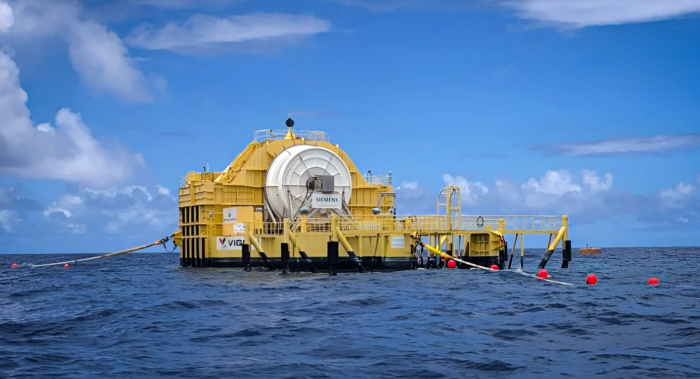
World’s biggest geothermal power purchase agreement completed in western U.S.

It’s only been one year since Fervo Energy unveiled a novel concept in geothermal energy harvesting at its Project Red pilot plant in Nevada. Now the company has signed a 15-year agreement with Southern California Edison to provide 320 MW of power to the utility, which will power about 350,000 homes. The power will be provided by Fervo’s Cape Station project that is currently being built in southwest Utah, with the first 70 MW coming online in 2026 and the balance clicking on in 2028.

Good news for public health

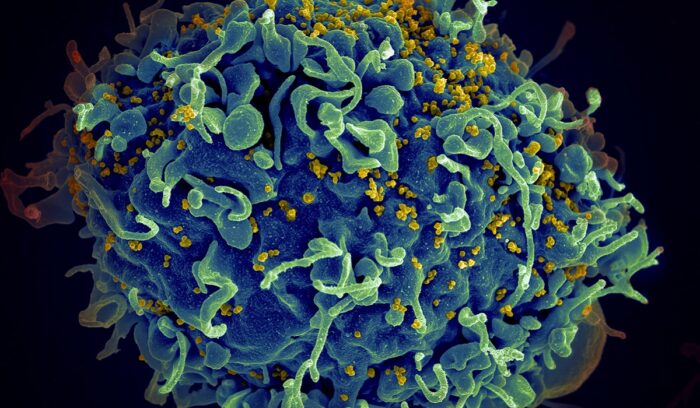
New twice-yearly shot to prevent HIV achieves 100% success rate in late-stage trial

In this double-blind, randomized study of 5,300 cisgender women in South Africa and Uganda, 2,134 got the injection and the others took one of two types of daily PrEP pills. The trial from California-based company Gilead Sciences began on August 2021 and, so far, not a single woman who received the injections has contracted HIV. The participants who received either of the oral PrEP options, Truvada and Descovy, had infection rates of about 2% — consistent with the infection rates of oral PrEP in other clinical trials.

Mouse

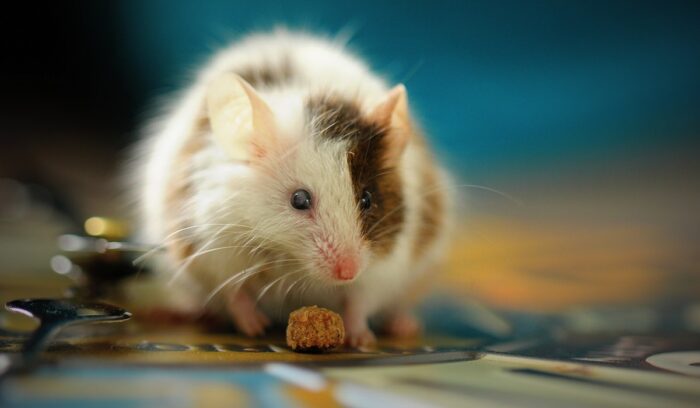
Japanese scientists reverse Alzheimer’s synapse damage in mice

Scientists from the Okinawa Institute of Science and Technology say they have reversed the signs of Alzheimer’s disease in lab mice by restoring the healthy function of synapses, critical parts of neurons that shoot chemical messages to other neurons. If the treatment successfully survives the gauntlet of clinical studies with human participants, it could potentially lead to a groundbreaking new treatment for humans suffering from the deadly disease.

Sick woman

U.K. researchers identify and treat major cause of inflammatory bowel disease

For the first time, a major trigger in inflammatory bowel disease (IBD) and related conditions has been identified, and existing drugs can stamp it out, in what scientists call a “massive step” in successfully treating these debilitating chronic conditions. Researchers at the Francis Crick Institute, in collaboration with University College London (UCL) and Imperial College London (ICL), have uncovered a problem gene enhancer that stimulates action along a specific biological pathway that causes IBD inflammation.

X-ray image of the intestine

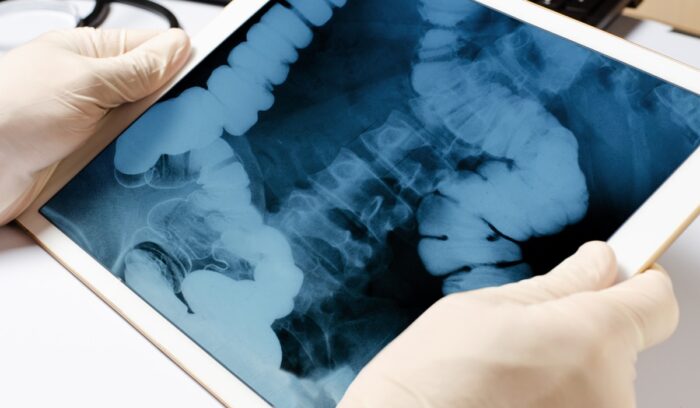
New bowel cancer drug is found to be 100% effective

An immunotherapy drug could spare bowel cancer patients the need for surgery and chemotherapy after results showed it was effective in 100% of cases. Jemperli from British pharmaceutical company GSK showed “unprecedented results”, the firm said, with no evidence of disease in all patients treated. The data showed all 42 patients in a trial led by Memorial Sloan Kettering Cancer Center in the U.S. had a complete response to treatment, with no evidence of tumors on scans.

Holding breast cancer ribbon

New blood test can predict breast cancer return

An “ultra-sensitive” new blood test developed and tested by Institute of Cancer Research (ICR) London can predict if breast cancer will return years before the disease shows up on scans, researchers say. It picks up traces of a tumor’s DNA before a full relapse and was found to be 100% accurate at predicting which patients would see their cancer return. It is hoped that the test can allow treatment to start earlier and improve survival rates.

Car HUD

Chinese scientists discover way to make batteries more efficient

A new water-based battery design is safer and more energy-efficient than traditional lithium-ion batteries, researchers from the Chinese Academy of Sciences claim. Today’s lithium batteries have enabled the rise of EVs, but their flammable organic electrolytes make them a fire risk, and their energy density puts a cap on EV driving range. The new water-based design replaces those combustible components with a safer, more stable water-based electrolyte that can pack way more energy into the same space.