Public health & disease

Flower floating on the water with lilies

New Delhi transforms degraded lands into biodiversity parks

New Delhi, India’s capital city, struggles with numerous environmental challenges, including extremely poor air quality and heat waves. In response, since 2004, the city has created seven large “biodiversity parks” on previously degraded land. The Aravalli Biodiversity Park, a 692-acre park located near an upscale neighborhood, is now a thriving forest of native plants. The Neela Hauz Biodiversity Park is home to a lake that was once a dumping ground for untreated sewage. All seven parks were restored by the Delhi Development Authority and the University of Delhi and together span 2,026 acres.

Good news for public health

Annual jab for HIV protection passes trial hurdle

An annual injection designed by California’s Gilead Sciences to guard against HIV has completed an important early safety trial, researchers report in The Lancet medical journal. Lenacapavir stops the virus from replicating inside cells. For the trial, 40 people without HIV were injected into the muscle with lenacapavir, with no major side effects or safety concerns. And after 56 weeks, the medicine was still detectable in their bodies. If future trials go well, it could become the longest-acting form of HIV prevention available.

Two people holding hands

U.S. approves “milestone” Parkinson’s treatment for 2025 release

The treatment, which will be sold under the name Onapgo, is essentially a subcutaneous – under the skin – device that allows for continuous infusion of the dopamine agonist apomorphine hydrochloride to reduce ‘off’ episodes. These episodes are periods during the day and night when lepodova medication wears off and adverse motor-function symptoms become amplified. In trial, Onapgo significantly reduced these daily off episodes by an average of 2.47 hours, compared to the placebo treatment.

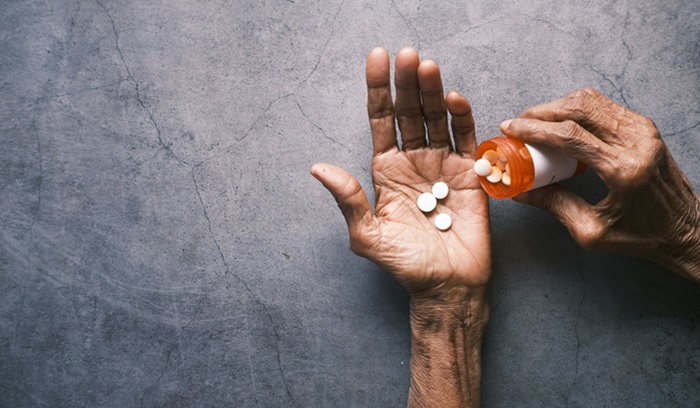
Holding pills

U.S. FDA approves non-addictive alternative to opioids

The U.S. Food and Drug Administration has signed off on the first new type of pain reliever to be approved in more than two decades. The drug, suzetrigine, is a 50-milligram prescription pill that’s taken every 12 hours after a larger starter dose. Crucially, suzetrigine creates no euphoria or high like opioids sometimes can, so doctors believe there’s no potential for it to create addiction or dependence in people who use it.

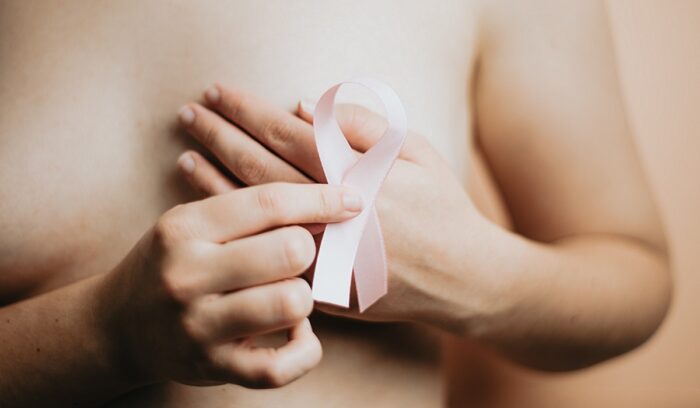
Woman with pink breast cancer ribbon

New therapy trial from Australian researchers nearly doubles breast cancer cure rates

A phase 3 clinical trial from Melbourne’s Peter MacCallum Cancer Center has shown that adding a targeted immunotherapy drug to chemotherapy dramatically improved the cure rate for patients with the most common kind of breast cancer. In the present phase 3 trial, 510 patients were randomized to receive chemotherapy with either intravenous nivolumab or placebo. In patients treated with nivolumab plus chemotherapy, rates were statistically significant, nearly double those who received placebo plus chemo: 24.5% versus 13.8%, respectively.

Tbilisi, Georgia

Georgia certified malaria-free

The country of Georgia has been certified malaria-free following a nearly century-long fight to combat the disease, the World Health Organization has announced. It joins 45 countries that have achieved this milestone. Malaria has plagued Georgia since ancient times. During the post-war period, Georgia launched an intensive program focused on eliminating malaria. The campaign successfully interrupted the transmission of many strains by 1970 and the country remained malaria-free for 25 years. But by 2002 the disease had reemerged.

Landfill. A lot of plastic garbage. Environmental problems.

Thailand bans imports of plastic waste to curb toxic pollution

A law banning imports of plastic waste came into force in Thailand, after years of campaigning by activists. Thailand is one of several south-east Asian countries that has historically been paid to receive plastic waste from developed nations. Thai customs officials said more than 1.1 million tons of plastic scraps were imported between 2018 and 2021. Imports of plastic were often mismanaged, with many factories burning the waste rather than recycling it, leading to damage to human health and the environment.

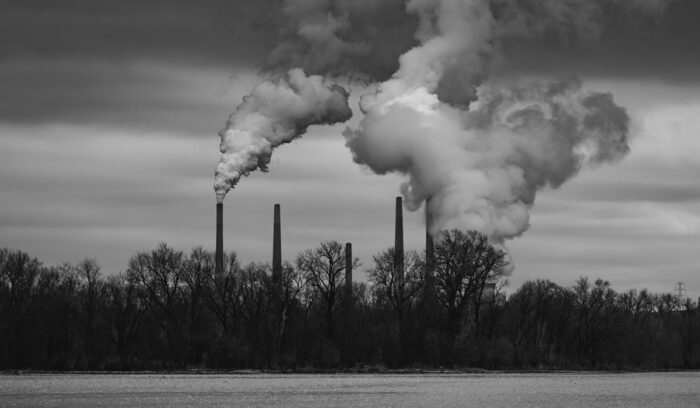
Facility releasing air pollution|google

China has reduced sulphur dioxide emissions by more than two-thirds in the last 15 years

China has dramatically reduced local air pollution levels — particularly in its biggest cities — in the last decade. One rapidly declining pollutant is sulphur dioxide (SO2), which generates smog, causes ecologically-damaging acid rain, and is associated with higher rates of lung cancer and other respiratory issues. China has been able to make remarkable gains in curbing S02 emissions by putting emissions limits on coal plants and introducing desulphurization technologies that remove SO2 from smokestacks.

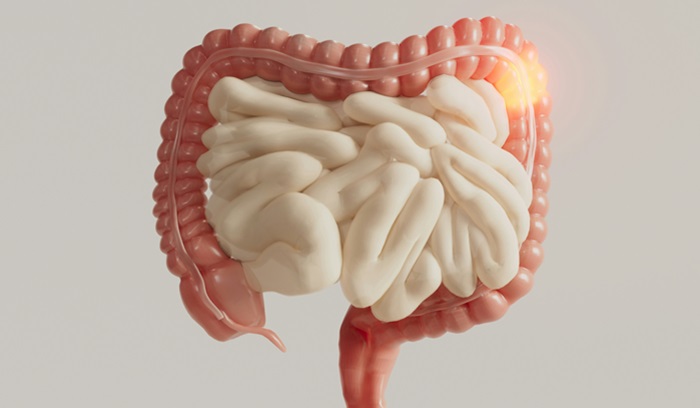
Depiction of intestines

“100% successful” cancer drug gets landmark U.S. FDA approval

Hugely promising cancer drug dostarlimab is one step closer to being widely available, after the U.S. Food and Drug Administration granted it Breakthrough Therapy Designation status. The drug, a programmed death receptor-1-blocking antibody, completely eradicated rectal cancer tumors without the need for surgery, radiation treatment, or chemotherapy. “Everyone on the clinical trial is doing great,” Memorial Sloan Kettering Cancer Center gastrointestinal oncologist Andrea Cercek said. “So far, 42 people have completed treatment, and all of them have no evidence of disease. Side effects were quite mild and well tolerated.”

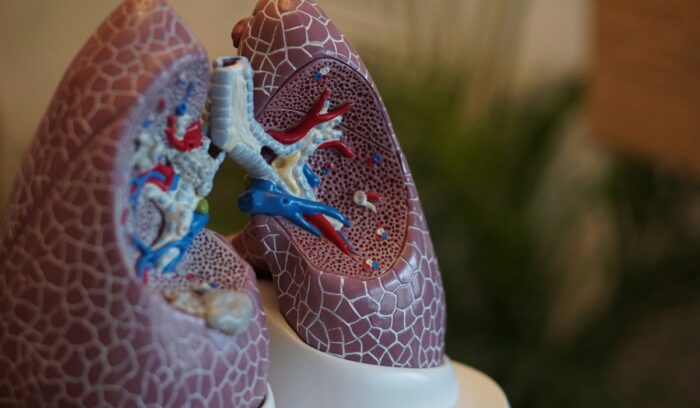
Model lungs

Doctors hail first breakthrough in asthma and COPD treatment in 50 years

A trial from King’s College London found offering patients a new injection was more effective than the current care of steroid tablets, and cuts the need for further treatment by 30%. The results, published in the Lancet Respiratory Medicine journal, could be transformative for millions of people with asthma and COPD around the world. Lead investigator Professor Mona Bafadhel said: “This could be a gamechanger for people with asthma and COPD. Treatment for asthma and COPD exacerbations have not changed in 50 years, despite causing 3.8 million deaths worldwide a year combined.”