
World Health Organization certifies Paraguay malaria-free
The World Health Organization (WHO) certified Paraguay as having eliminated malaria, the first country in the Americas to be granted this status since Cuba in 1973.
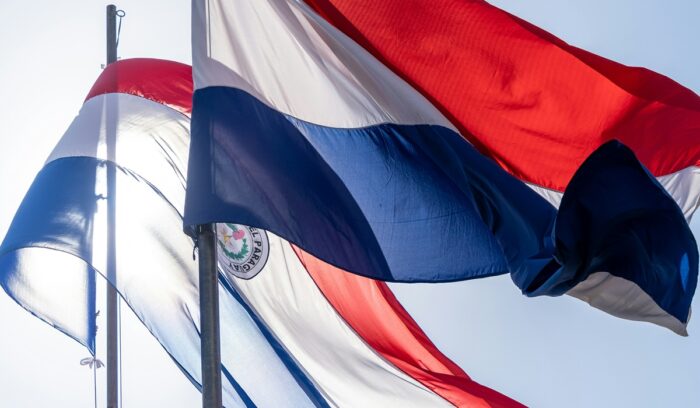
The World Health Organization (WHO) certified Paraguay as having eliminated malaria, the first country in the Americas to be granted this status since Cuba in 1973.
When a traditional healer burned hot clay into the chest of two-year-old Kushbu Lal, she died. Now moves are afoot to criminalize a practice that continues to cost lives.

The total female workforce in the UAE in 2015 was 882,000 compared to just 10,000 in 1975.

A £220 million Clean Air Fund is set to tackle roadside emissions, which is part of a £260 million plus package from the government to improve air quality.
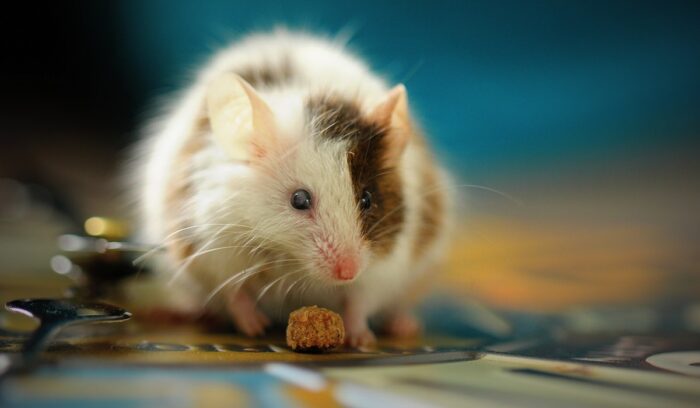
Injecting minute amounts of two immune-stimulating agents directly into solid tumors in mice can eliminate all traces of cancer in the animals, including distant, untreated metastases, according to a study by researchers at the Stanford University School of Medicine.
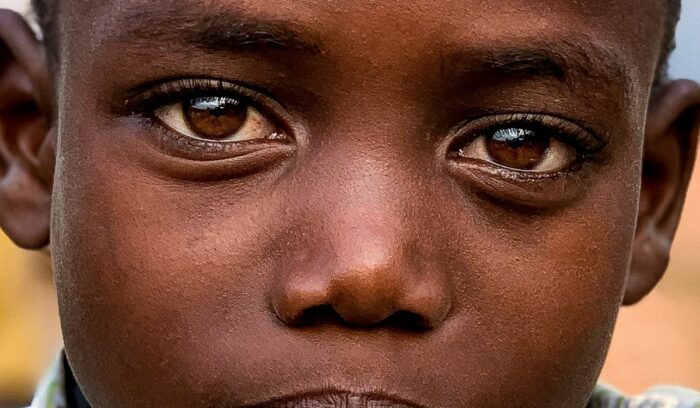
In a country where a third of people have sight problems, specialist nurses have visited all 15,000 villages as part of a life-changing project
The nation’s overall cancer death rate declined 1.7 percent in 2015, the latest indication of steady, long-term progress against the disease, according to a new report by the American Cancer Society.

Between 1990 and 2012, particulate matter and organic aerosols significantly declined in the United States, saving thousands of lives.

A team at Lancaster University in the U.K. has discovered that a drug designed to treat type 2 diabetes may hold the key to fighting the memory loss that accompanies Alzheimer’s disease.

Scientists optimistic of creating early-warning system after identifying two-year gap between clearance of forests inhabited by fruit bats and emergence of virus