Technology & innovation

World Health Organization approves first mpox diagnostic test for emergency use

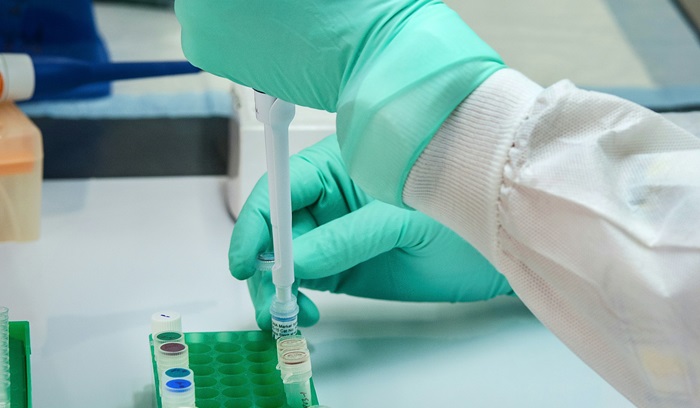
Mpox, previously known as monkeypox, is an infectious disease caused by the monkeypox virus. A global outbreak first emerged in May 2022 which WHO said constituted a public health emergency of international concern – the highest level of alarm under international health law. Africa has seen an unprecedented increase and expansion in mpox cases this year, with transmission mainly centered in the Democratic Republic of the Congo. WHO said early diagnosis is critical as it enables timely treatment and care, as well as control of the virus. A new test from Abbott Molecular now makes that much more possible.
Scientists in the U.K. developing world’s first vaccine to prevent ovarian cancer

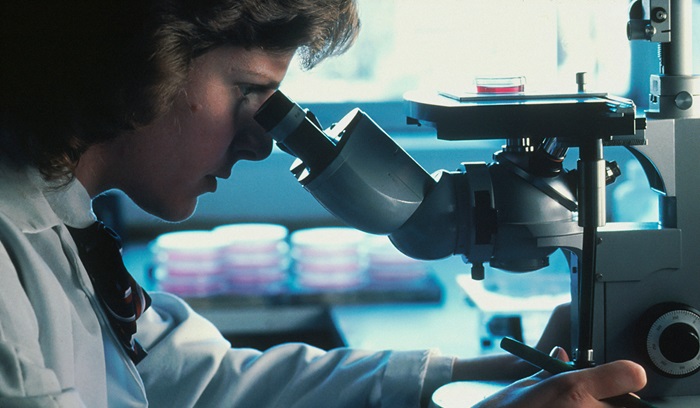
Researchers at the University of Oxford are working on the world’s first ovarian cancer vaccine, aiming to prevent the disease that kills nearly 26,000 women in the European Union every year. The vaccine, called OvarianVax, would train the immune system to recognize and fight back against the earliest stages of ovarian cancer, one of the most common forms of cancer among women which often isn’t detected until a later stage when it’s harder to treat. Cancer Research U.K. will fund the OvarianVax research with up to £600,000 for the effort.

Good news for scientific research

University of Toronto researchers develop method to accelerate forensic analysis in sexual assault cases

The entire process currently can take days, weeks, or longer. To speed things up, the researchers focused on the first step: separating two individuals’ DNA from a single sample. At present, this is usually done manually by trained and experienced experts. The new method uses a process called ’differential digestion” using digital microfluidics that helped simplify the overall process and reduce the number of manual steps needed to isolate the assailant’s DNA from 13 to five.

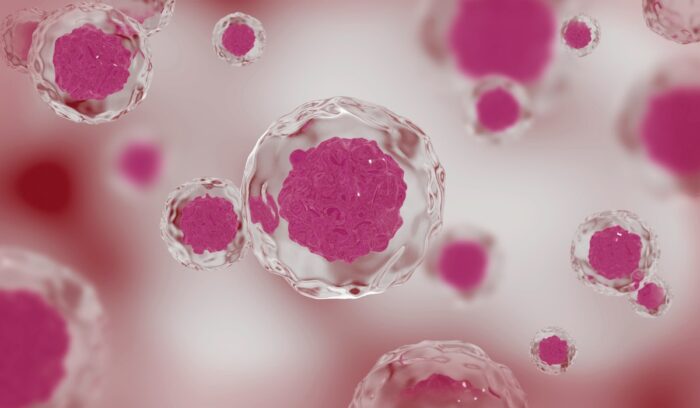
Depiction of embryonic stem cells in amniotic fluid

In world first, stem cells reverse woman’s diabetes

In the first trial of its kind, Deng Hongkui, a cell biologist at Peking University in Beijing, and his colleagues extracted cells from three people with type 1 diabetes and reverted them into a pluripotent state, from which they could be molded into any cell type in the body. Now, a 25-year-old woman with type 1 diabetes started producing her own insulin less than three months after receiving a transplant of reprogrammed stem cells. She is the first person with the disease to be treated using cells that were extracted from her own body.

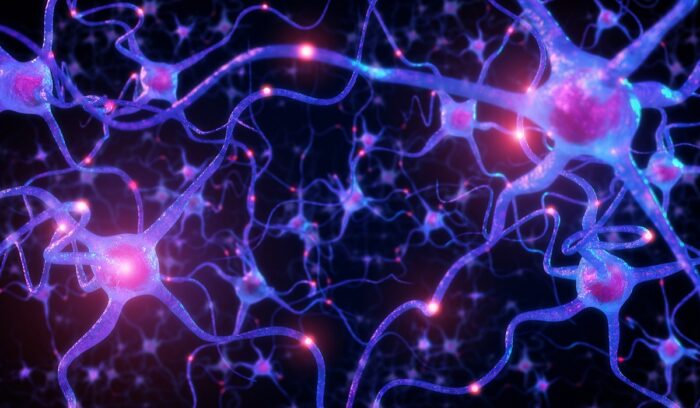
Neurons inside human brain

Synapse-restoring pill set for human trials as novel schizophrenia treatment

Spinogenix is the American company behind the once-a-day pill that restored lost nerve cell connections in people with amyotrophic lateral sclerosis (ALS). Having been granted approval from the Australia Human Research Ethics Committee (HREC), it is now actively enrolling participants for its Phase 2 clinical trial to evaluate the safety, effectiveness, tolerability, and pharmacodynamics of once-a-day SPG302 as a treatment for schizophrenia.

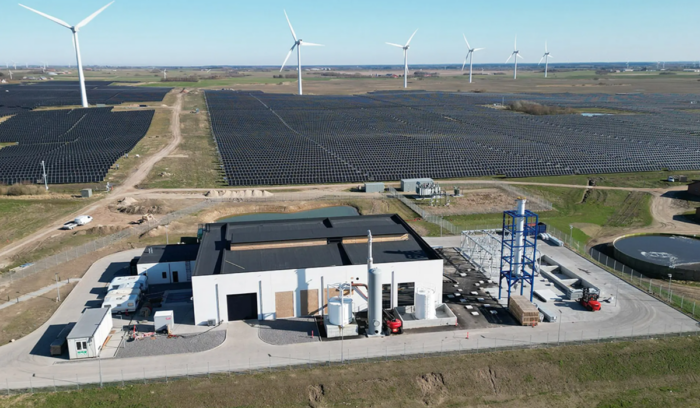
Green ammonia plant

World’s first green ammonia plant is now open for business in Denmark

The new plant – located in Ramme, Denmark – is said to be capable of producing 5,000 tons of green ammonia per year, entirely from solar and wind energy. Topsoe reports that this effort will prevent 8,200 tons of carbon dioxide emissions annually. Gray ammonia production – which uses fossil fuels – is currently the norm around the globe, and accounts for about 1.2% of all carbon dioxide emissions.

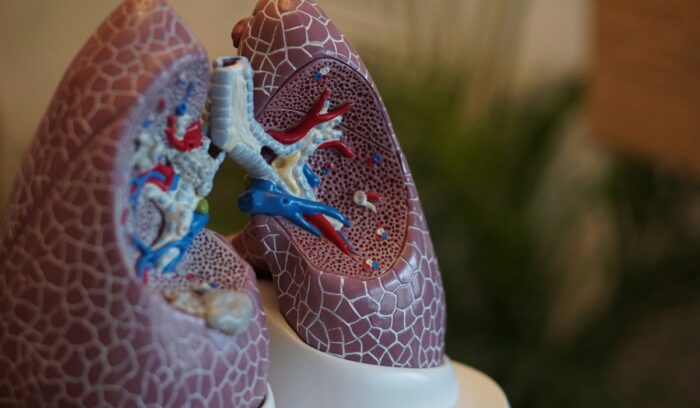
Model lungs

World-first lung cancer vaccine trials launched across seven countries

Lung cancer is the world’s leading cause of cancer death, accounting for about 1.8 million deaths every year. Now experts are testing a new jab that instructs the body to hunt down and kill cancer cells – then prevents them from ever coming back. Known as BNT116 and made by BioNTech, the vaccine is designed to treat non-small cell lung cancer, the most common form of the disease. The phase 1 clinical trial, the first human study of BNT116, has launched across 34 research sites in seven countries: the U.K., U.S., Germany, Hungary, Poland, Spain, and Turkey.

Honeycomb

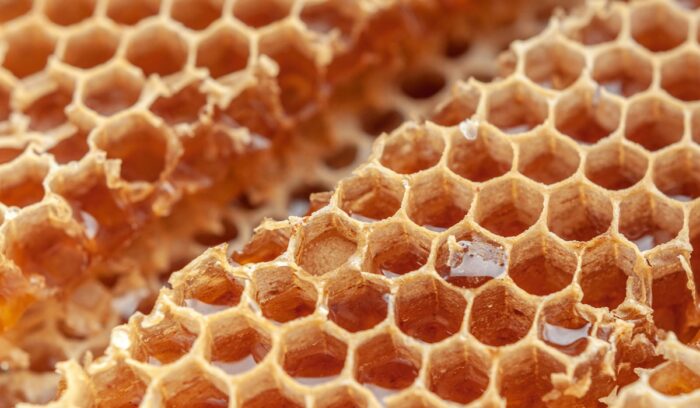
Manuka honey reduces breast cancer cell growth by 84% in preliminary studies

Manuka honey is produced from the nectar collected by honey bees when they pollinate the mānuka, a species of tea tree indigenous to New Zealand and southeast Australia. Now, preliminary studies by researchers at UCLA have found that this nutraceutical might aid in breast cancer prevention and treatment. The honey-treated mice showed significantly suppressed tumor growth compared to controls. Overall, it inhibited the growth and progression of an established human breast cancer tumor by 84% without affecting healthy cells.

MIT naloxone sensor implant

MIT scientists reverse opioid overdoses with ‘Narcan sensor’ implanted under skin

In 2023, more than 100,000 Americans died from opioid overdoses. The most effective way to save someone who has overdosed is to administer a drug called naloxone, but help can’t always reach the person in time. Researchers at MIT and Brigham and Women’s Hospital have developed a new device to address this problem. The device, about the size of a stick of gum, can be implanted under the skin. When it determines that an overdose has occurred, it rapidly pumps out a dose of naloxone.

Seastar

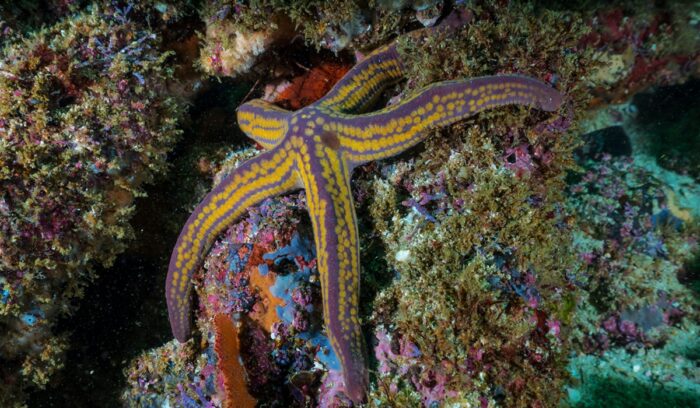
Lab-grown starfish released into wild for the first time ever, saving species from extinction

Due to sea star wasting disease, lower oxygen levels in seawater, and rising temperatures, starfish populations are at risk around the globe. Across the last decade, the sunflower star population plummeted by over 90%. Fortunately, in 2019, marine biologist Jason Hodin stepped up to save the sea stars from extinction. At the University of Washington’s Friday Harbor Labs, Hodin has carefully grown and raised several generations of sunflower starfish in a controlled environment, breeding them from a select sample of starfish he rescued from the harbor five years prior.