Public health & disease

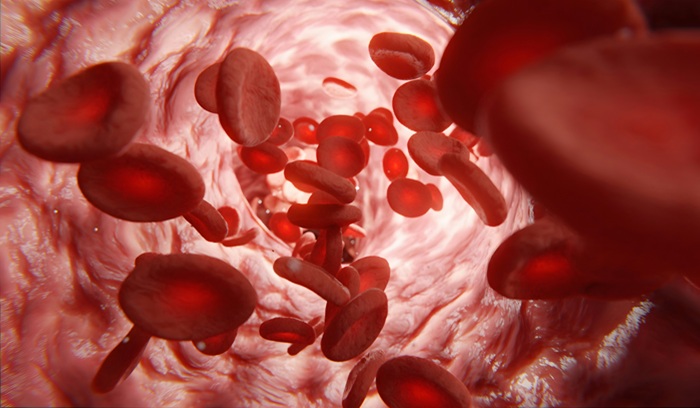
Illustration of red blood cells

Japan to begin clinical trials for artificial blood

For decades, a shrinking population and an aging society in Japan have led to fewer blood donors. This situation is especially dire during disasters or in remote regions, where matching blood types and storing donated blood are logistical nightmares. Recognizing this, researchers at Nara Medical University are developing a safe, effective artificial blood that could be administered to anyone, anywhere, at any time. Clinical trials begin this year, with practical use expected by 2030.

Surgery

Surgeons in California perform first-ever successful bladder transplant

Patients who have their bladder removed most often have a portion of intestine repurposed to pass urine, often resulting in a host of new complications, including infections and digestive issues. Those complications have led doctors around the world to seek bladder transplant techniques for years. The transplant performed in early May has so far succeeded, and doctors said they are “satisfied” with the patient’s recovery, though many unknowns remain.

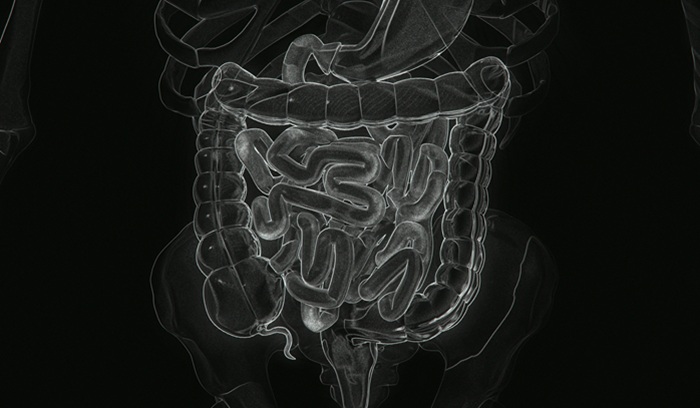
Illustration of intestines

Fecal transplants reduce alcohol cravings as human trials progress

Researchers at Virginia Commonwealth University have found that fecal transplants may help those suffering from severe alcohol use disorder. The work points to a compelling relationship between the gut microbiome and addiction disorders, with large-scale Phase 2 human trials currently underway. Nine of 10 patients who received a transplant had a reduction in their cravings and in the urine measurement of alcohol-related metabolites, compared to only three of the 10 placebo subjects displaying similar levels of improvement.

Illustration of brain

Psilocybe fungi are an effective treatment for repeated concussions, new study suggests

A new study from Boston’s Northeastern University has found that “magic mushrooms” could be an effective treatment for concussions because of their brain-healing properties. Rats given the medicinal fungi post-head injury showed reduced edema and “dramatic hyperconnectivity” in parts of the brain that are pathways for dopamine. The researchers said that the hyperconnected dopaminergic pathways could indicate neuroplasticity, the ability of the brain to reorganize itself in response to injury.

Smiling African children

Over 12 million malaria deaths averted globally since 2000

Global malaria prevention efforts have paid off in a big way, preventing an estimated 2.2 billion cases and 12.7 million deaths in the last 25 years. In 2023 alone, more than 177 million cases and 1 million deaths were averted, the vast majority of them – 80% of cases and 94% of deaths – in Africa. However, malaria remains a significant public health challenge globally. In 2023, there were an estimated 263 million new malaria cases in 83 countries, up from 252 million in 2022 and 226 million in 2015.

Pharmacy

England to make the morning-after pill free over the counter in pharmacies

Currently, women can get the emergency contraception pill for free from sexual health clinics run by the National Health Service (NHS). However, the pill can cost up to £30 ($62) at pharmacies in the UK. Starting this year, the pill will be available for free at pharmacies, aiming to “reduce inequalities”, according to a Department of Health and Social Care (DHSC) statement. The move will also help free up general practitioners by reducing the need for women to make appointments to access the pill, the DHSC said.

​Korean scientists develop technique that detects nearly 100% of bacterial infections in under 3 hours​

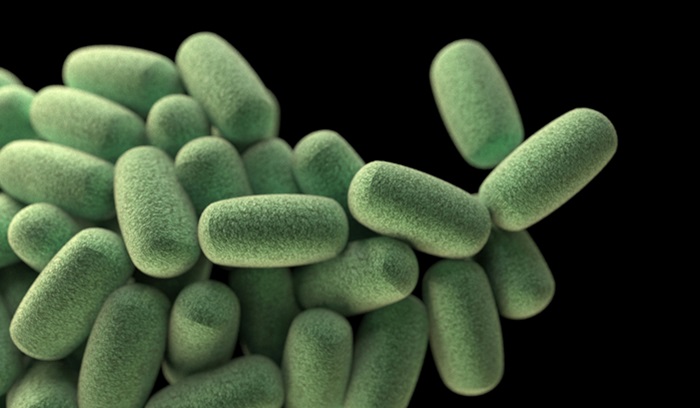
Scientists at the Ulsan National Institute of Science & Technology (UNIST) in South Korea have made a major breakthrough in the accuracy and speed at which often deadly pathogen infections can be identified and treated. In many cases, this accelerated process can save lives. The new technique, known as fluorescence in situ hybridization (FISH), detected seven species of bacteria that commonly infect humans. It proved to be more than 99% accurate for all but one – a pathogen that infects skin tissue – which had a still-impressive 96.3% success rate.

Man and woman embracing

Prostate cancer surgery breakthrough offers hope for erectile function

A new form of prostate cancer surgery nearly doubles the chances of men retaining erectile function, according to a new trial conducted by University College London. Known as NeuroSafe, the procedure checks tissue removed during the operation. If the tumor appears to have been removed, the nerve-containing outer layer of the prostate is left intact. The trial assessed 344 men with prostate cancer and no history of erectile dysfunction. 56% of men who had standard surgery reported severe erectile dysfunction, compared with 38% who had NeuroSafe surgery.

Paris skyline at sunset

Paris residents vote to make 500 more streets pedestrian

Parisians voted to pedestrianize a further 500 of the city’s streets, giving fresh momentum to efforts by the French capital’s left-leaning town hall to curb car usage and improve air quality. The referendum will eliminate 10,000 more parking spots in Paris, adding to the 10,000 removed since 2020. The 500 additional streets to be pedestrianized will bring the total number of these so-called “green lungs” to nearly 700, just over one-tenth of the capital’s streets.

Indian flag

India has treated 6.8 million cancer patients for free in seven years

India’s Health Minister just reported that a national insurance program has treated an astonishing 6.8 million people for cancer, three-quarters of whom live in rural areas. The cost of the work amounted to $1.5 billion USD. Managed and paid for by the country’s flagship health insurance program called Ayushman Bharat, patients could get financial assistance to fight breast, oral, cervical, and lung cancers, as well as metastatic melanoma, chronic myeloid leukemia, and Burkitt’s lymphoma.