
Alaska Airlines eliminates plastic water cups and bottles on board
Alaska is the first major airline to eliminate plastic cups and estimates that the measure will save 1.8 million pounds of single use plastic waste per year.
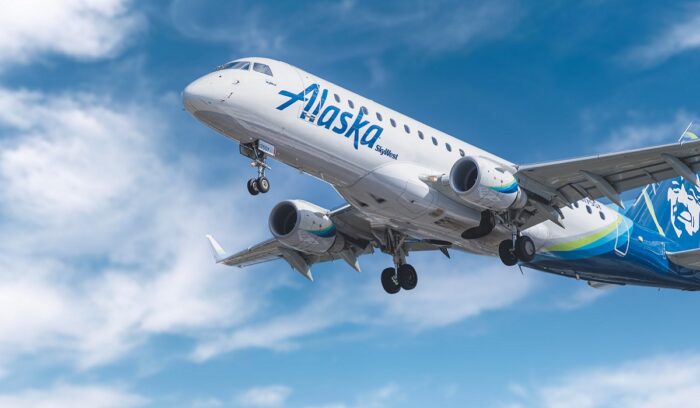
Alaska is the first major airline to eliminate plastic cups and estimates that the measure will save 1.8 million pounds of single use plastic waste per year.
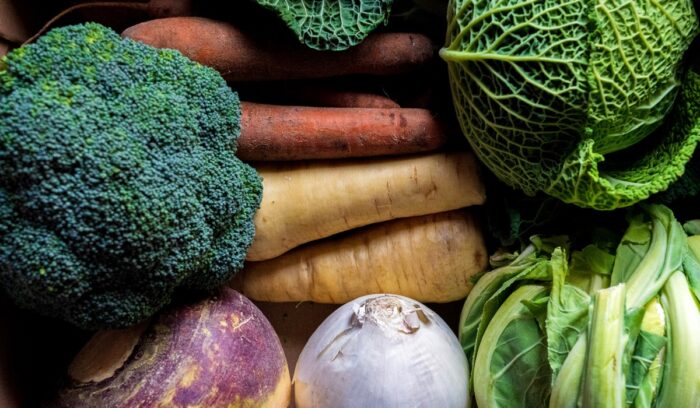
France’s environment ministry expects that the measure will prevent more than one billion useless plastic packaging items per year.

The ban on fruit and vegetable packaging will apply to produce weighing under 1.5 kilograms, following similar legislation in France, where it will go into effect next year.

The new measure builds on the country’s 2019 decision to phase-out plastic bags and includes everything from disposable cutlery to ear buds and fruit labels, The Guardian reported.
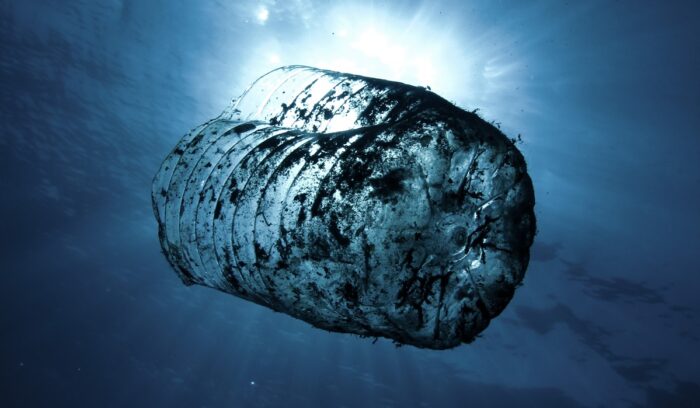
Called the ANZPAC Plastics Pact, the agreement aims to drastically reduce plastic waste from Australia, New Zealand, and the Pacific by 2025. Among the signatories are big brands like Coca-Cola, Nestle, and Woolworths.

The new law means that hotels will be required to switch to larger, refillable dispensers. This will lead to a reduction in plastic bottles and unused liquids that are discarded.

Scientists at Berkeley Lab and UC Berkeley discovered that water or soil composts converted the enzyme-embedded plastic into its building blocks and eliminated microplastics in a few weeks.
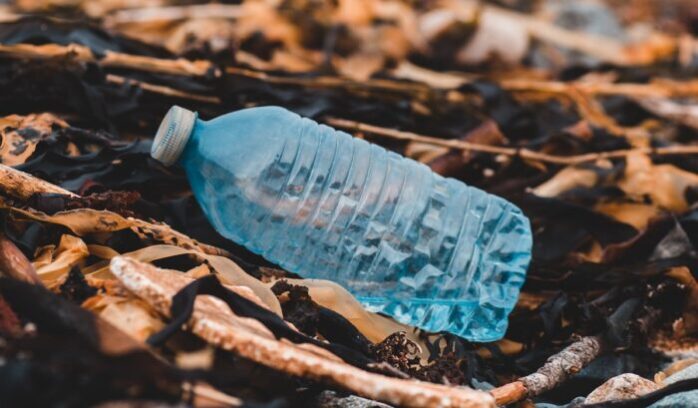
A new app, currently in development at the Norwegian University of Science and Technology, is designed to determine where plastic waste came from so action can be taken.
Last year, Tesco met with 1,500 suppliers to let them know that the company reserves the right to no longer stock products that use excessive packaging or hard to recycle materials.

The Kerala fishermen’s work has so far amassed 176,000 pounds (80,000 kilograms) of plastic, of which more than half has gone towards creating 84 miles (135km) of road.