Clean & renewable energy

Solar farm from above

India adds record 24.5 GW of solar in 2024

India added 24.5 GW of solar and 3.4 GW of wind capacity in 2024, doubling solar installations and increasing wind capacity by 21% from 2023, according to JMK Research & Analytics. These additions brought India’s total renewable energy capacity to 209.44 GW, with solar accounting for 47%. Utility-scale additions nearly tripled from 2023, while rooftop and off-grid installations rose 53% and 197%, respectively, driven by the PM Surya Ghar: Muft Bijli Yojana program, which spurred 700,000 rooftop installations in 10 months.


New York

New York City to get a $3 billion, 80,000-acre offshore wind farm

New York City will soon be getting its own personal offshore wind farm. The Empire Wind 1 project just received a US$3 billion project financing package and is expected to go online in 2027, powering roughly half a million borough residents. A turbine-laden 80,000-acre plot of Atlantic Ocean – which is nearly half the size of NYC – could generate 810 MW if running efficiently at its designed capacity. That is around 3.19 TWh per year or roughly 6% of NYC’s overall consumption. Empire Wind 1 will be the first offshore wind project to connect directly to NYC’s electrical grid.

Good news for British climate action

Renewable power set to overtake fossil fuels in the U.K. this year for the first time

While particularly windy periods have meant certain days in the last few years have been dominated by renewable power as turbines lit up the grid, this is the first time through an entire calendar year that renewable energy will be greater than power generated from burning oil, gas and coal. The shift is driven largely by a decline in production from coal, gas, and oil, as well as growing wind, solar, and biomass power, according to think tank Ember.

Coal

Indonesia aims to phase out all coal-fired and fossil fuel power plants by 2040

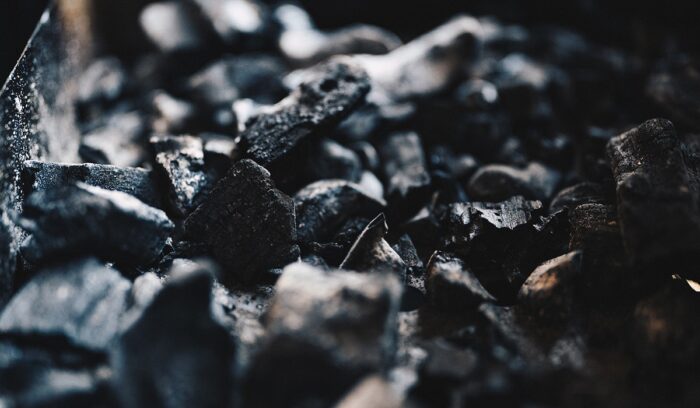
Indonesian president Prabowo Subianto has announced his country will seek to phase out all coal-fired and fossil fuel power plants by 2040, pairing the goal with a target to build over 75 GW of renewable energy capacity over the same period. This brings forward Indonesia’s goal of retiring coal-fired power plants from 2056 to 2040. As the world’s fifth-largest operator of coal-fired power capacity at 52.3 GW, Indonesia’s promise to transition completely away from coal could serve as a pivotal step towards global decarbonization if implemented as planned.

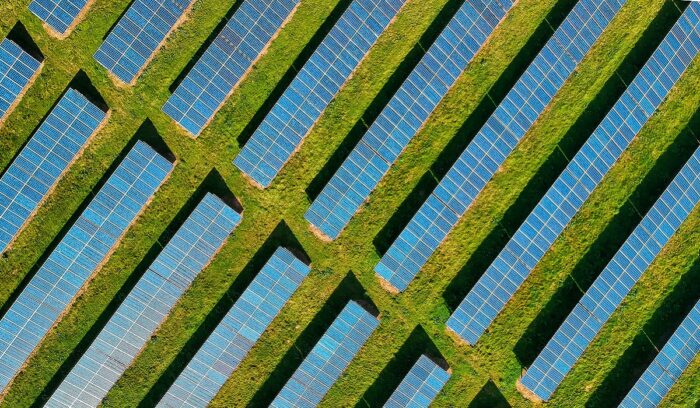
A top view of solar farm

Solar power booms in Pakistan

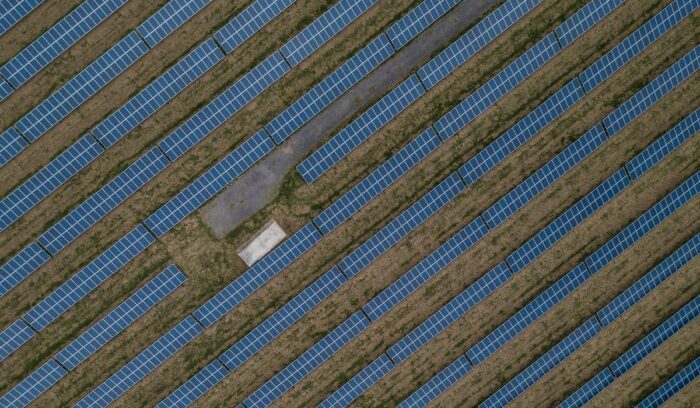
Sky-high power prices are fueling a massive solar buildout in Pakistan. Solar is gaining traction on farms and factories after the government cut electricity subsidies, causing prices to spike. In many places, electric bills cost more than rent, and blackouts are common. Panels purchased in 2024 amount to 17 GW of capacity, enough to raise Pakistan’s total power capacity by a third.

Solar panels

Australia to invest $125m in Pacific island off-grid and community scale renewables

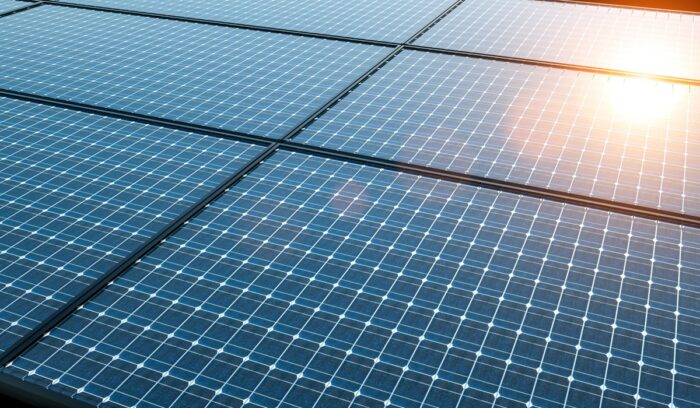
The funding, which comprises a $75 million investment through the REnew Pacific program and $50 million through the Australia-Pacific Partnership for Energy Transition, was announced at the COP29 United Nations climate summit. The REnew Pacific program will help deliver off-grid and community-scale renewable energy in remote and rural parts of the Pacific, enabling lighting, access to water, improved agriculture, better food security, quality education and health services, reliable communications connectivity and enhanced incomes. The $50 million Partnership for Energy Transition funding will capture renewable energy investment benefits such as energy transition modelling, grid studies, feasibility studies and university collaborations.

Dongying floating solar farm

China activates world’s largest offshore floating solar installation

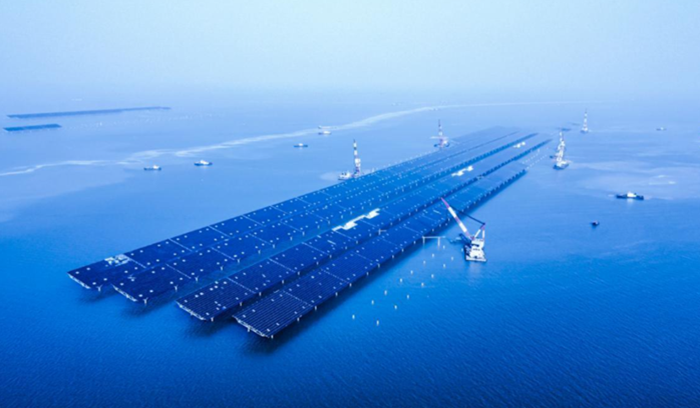
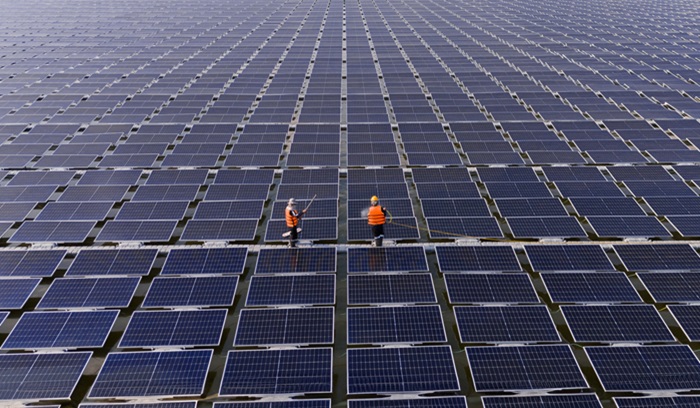
China’s state-owned CHN Energy has begun generating electricity at a 1 gigawatt offshore floating solar park, 5 miles off the coast of the city of Dongying in Shandong province. The park can generate 1.78 billion kilowatt-hours of power each year — enough to meet the energy needs of 2.6 million city dwellers. The offshore floating solar installation consists of 2,934 PV platforms installed using large-scale steel truss platforms affixed to foundations made of pilings.

Coal pollution

German coal use plunges nearly 40% in 2024

In the first nine months of 2024, the consumption of hard coal in power plants to generate electricity fell by 39% compared to the same period the previous year. This was a result of an overall decrease in electricity generation, an increase in electricity production from renewables, and increased electricity purchasing from neighboring countries. Overall energy use also continued to fall and is set to reach a new annual record low since Germany’s reunification in 1990.

Professional workers clean and inspect solar panels on a floating buoy. Power plant with water

China adds unprecedented 160 GW of solar power in first 3 quarters of 2024

China has added a total of 160 GW of solar power so far this year. Putting that total into some context, China hit a total, country-wide solar power capacity of 770 GW in August. After years of installing more solar power than any other nation, the first 9 months of this year accounted for roughly 20% of China’s total solar installations and roughly 10% of humanity’s total solar installations, a truly astounding and record-breaking amount. China yet again has proven itself as the undisputed global leader in renewable energy.

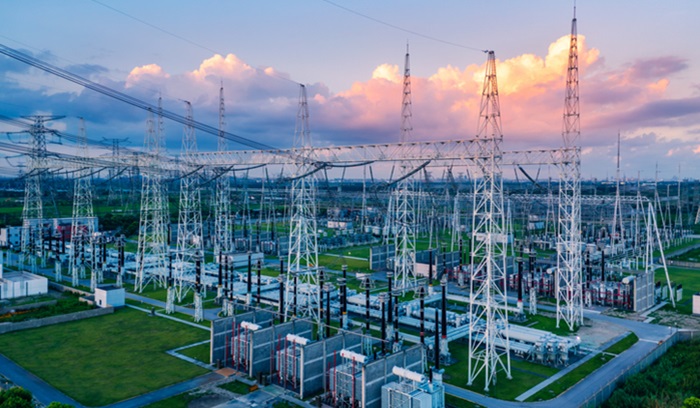
Aerial view of a high voltage substation.

India unveils whopping $109 billion transmission plan for renewable energy

Transmission constraints have emerged as a key obstacle for the growth of renewable energy the world over, with a spurt in demand causing delayed deliveries and surging prices of grid equipment. Now, India’s power ministry has unveiled a plan to revamp its power grid to accommodate a large renewable expansion through 2032. The project, estimated to cost 9.15 trillion rupees ($109 billion), will help integrate 500 gigawatts of renewable power by the end of the decade, a more than two-fold increase from now.