
Leading fashion brand Canada Goose goes fur-free
In a statement, Canada Goose has announced that it will be ending purchases of fur by the end of this year and will stop manufacturing fur products by the end of next year.
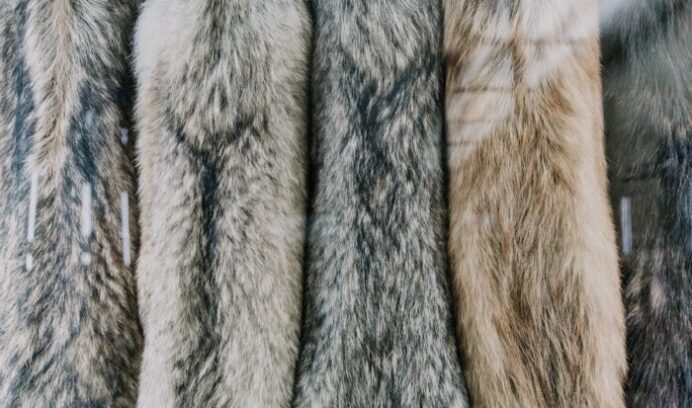
In a statement, Canada Goose has announced that it will be ending purchases of fur by the end of this year and will stop manufacturing fur products by the end of next year.

The factory will have the capacity to produce 1,100 lb of cultured chicken, pork and lamb each day, which is equivalent to around 5,000 burgers, and the company says beef products are on the way.
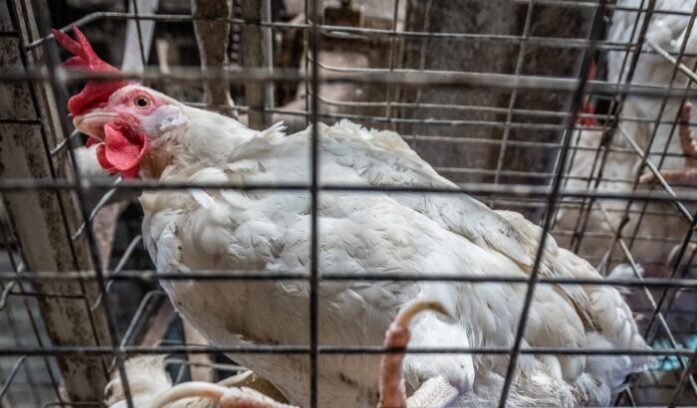
Critics of industrial farming practices hailed the “landmark victory,” with 558 members of European Parliament (MEPs) voting in favor of the ban, just 37 opposing, and 85 abstaining from the vote.
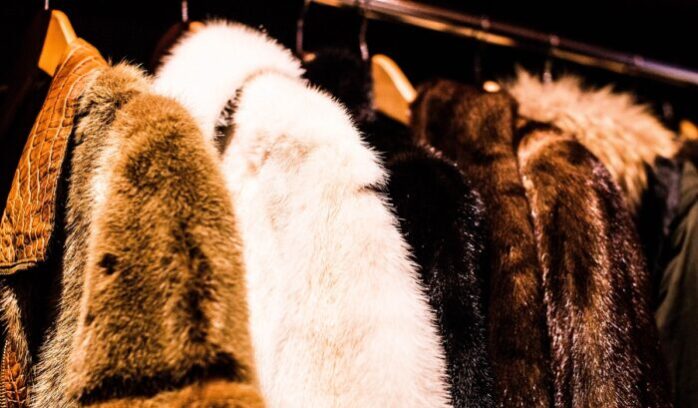
The new legislation will come into effect in six months — a historic decision for animal rights and protection.
Some of the issues addressed include banning e-collars (which deliver electric shocks), restricting glue traps, banning people from importing most hunting trophies, banning live animal exports for fattening or slaughtering and keeping primates as pets.

A new report also shows that cultivated beef in 2030 will be about 90% more environmentally friendly than conventional beef, emitting 93% fewer greenhouse gases and using 95% less land for nutrient production.
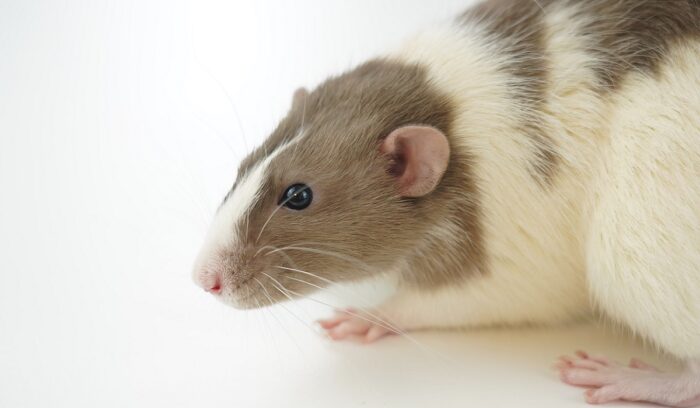
Senator Jennifer Boysko and Delegate Kaye Kory introduced the bill. Its passage makes Virginia the fourth state in the U.S. to make a law prohibiting cosmetic animal testing.

In 2018, the country’s domestic plant-based meat industry was $910 million and experiencing a yearly growth-rate of 14.2 percent.

The restaurant is in southwestern France and was started by chef Claire Vallée, a 41-year-old former archeologist who became a vegan after a trip to Thailand.
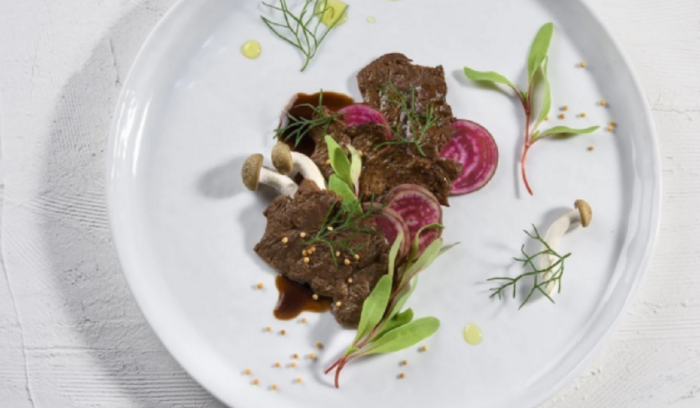
The end goal is to bring meat to the table that has net-zero carbon dioxide emissions along the entire supply chain and at a reasonable price.