
Humans, perhaps in ancient Mycenaean Greece, invent the lathe
A flat wooden dish which stood on wooden legs and features many characteristics of lathes was found in a pit grave at Mycenae dated at 1100 to 1400 B.C.E.
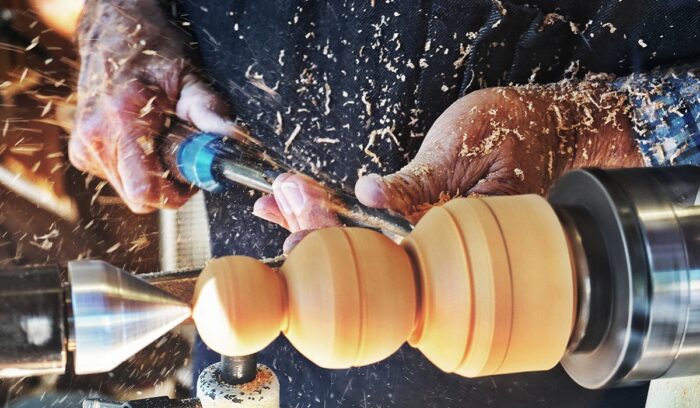
A flat wooden dish which stood on wooden legs and features many characteristics of lathes was found in a pit grave at Mycenae dated at 1100 to 1400 B.C.E.
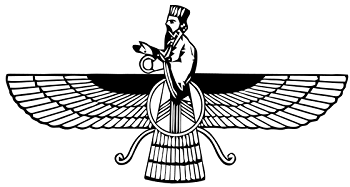
The earliest fully developed spoke-wheeled horse chariots are from the chariot burials of the Andronovo (Timber-Grave) sites of the Sintashta-Petrovka Proto-Indo-Iranian culture in modern Russia and Kazakhstan from around 2000 B.C.E.
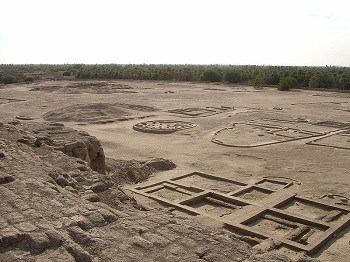
Papyrus is first known to have been used in ancient Egypt (at least as far back as the First Dynasty), as the papyrus plant was once abundant across the Nile Delta. Apart from a writing material, ancient Egyptians employed papyrus in the construction of other artifacts, such as reed boats, mats, rope, sandals, and baskets.

The earliest known docks were those discovered in Wadi al-Jarf, an ancient Egyptian harbor dating from 2500 B.C.E. located on the Red Sea coast.

Imhotep was an Egyptian chancellor to the Pharaoh Djoser, possible architect of Djoser’s step pyramid, and high priest of the sun god Ra at Heliopolis. Very little is known of Imhotep as a historical figure, but in the 3,000 years following his death, he was gradually glorified and deified. In his Pulitzer-prize winning “biography” of cancer – The Emperor of All Maladies – Siddhartha Mukherjee cites the oldest identified written diagnosis of cancer to Imhotep.

Combs have been used since prehistoric times, having been discovered in very refined forms from settlements dating back to 5,000 years ago in Persia.

The Céide Fields is an archaeological site in the west of Ireland. The site is the most extensive Neolithic site in Ireland and contains the oldest known field systems in the world.

Copper artifacts recovered from Nubia provide the earliest known evidence of metal smelting in sub-Saharan Africa, dating back sometime after 4000 B.C.E. – they were most likely imports from Egypt.

Baker’s yeast is the common name for the strains of yeast commonly used as a leavening agent in baking bread and bakery products.
Lost-wax casting is the process by which a duplicate metal sculpture (often silver, gold, brass or bronze) is cast from an original sculpture.