Technology & innovation

James Blyth's windmill at his cottage in Marykirk in 1891

James Blyth of Scotland builds world’s first ever wind turbine used for electricity generation

Blyth’s 10-meter high, cloth-sailed wind turbine was installed in the garden of his holiday cottage at Marykirk in Kincardineshire and was used to charge accumulators developed by the Frenchman Camille Alphonse Faure, to power the lighting in the cottage, thus making it the first house in the world to have its electricity supplied by wind power. Blyth offered the surplus electricity to the people of Marykirk for lighting the main street, however, they turned down the offer as they thought electricity was “the work of the devil.”
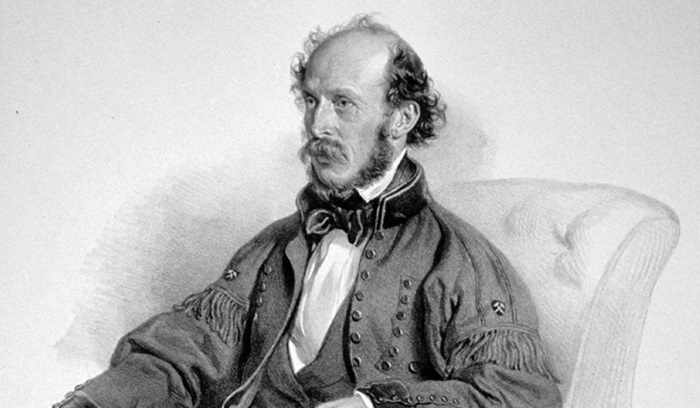
Peter von Rittinger

Peter von Rittinger of Austria invents the world’s first functional heat pump

A heat pump is a device that uses electricity to transfer heat from a colder place to a warmer place. Air-source heat pumps are now among are most effective climate solutions. In 1856, Rittinger recognized the principle of the heat pump while conducting experiments on the use of water vapor’s latent heat for the evaporation of salt brine. As a result, the heat pump was used to dry salt in salt marshes in Austria.

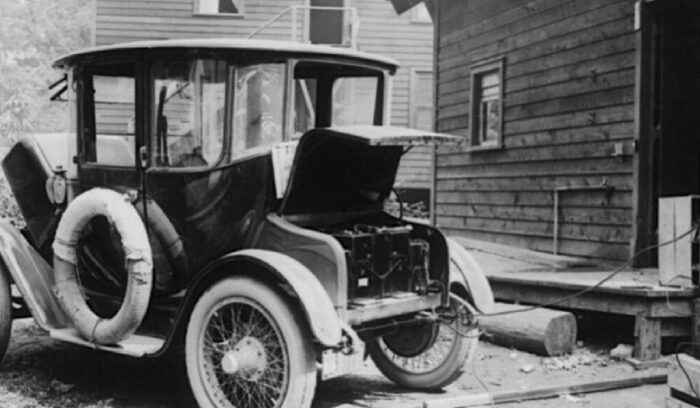
Thomas Davenport electric vehicle

Thomas Davenport invents what is perhaps the world’s first electric vehicle

As early as 1834, he and his wife Emily Davenport developed a battery-powered electric motor. They used it to operate a small model car on a short section of track, paving the way for the later electrification of streetcars. It was the first-ever attempt to apply electrification to locomotion. With his wife Emily and colleague Orange Smalley, Davenport received the first American patent on an electric machine in 1837, U. S. Patent No. 132.