
The Soviet Union launches the first artificial satellite, Sputnik I
Sputnik 1 was the first artificial Earth satellite. It orbited for three weeks before its batteries died, then silently for two more months before falling back into the atmosphere.
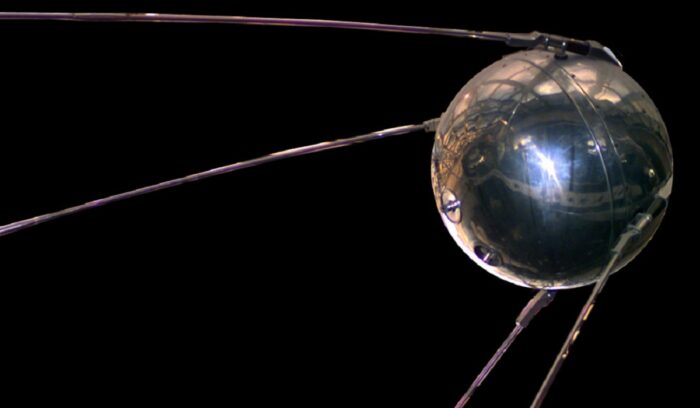
Sputnik 1 was the first artificial Earth satellite. It orbited for three weeks before its batteries died, then silently for two more months before falling back into the atmosphere.
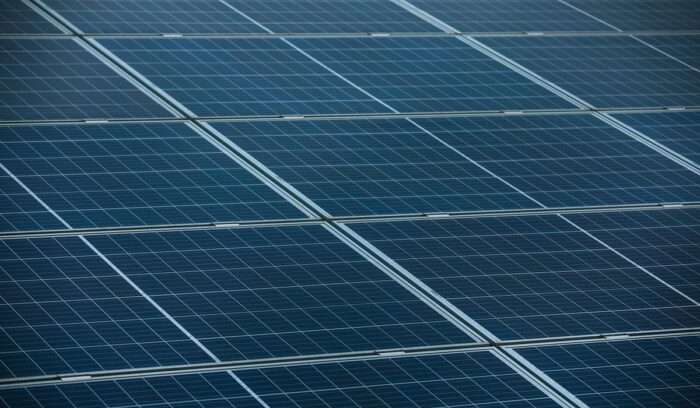
Many argue that this event marks the true invention of PV technology because it was the first instance of a solar technology that could actually power an electric device for several hours of a day.
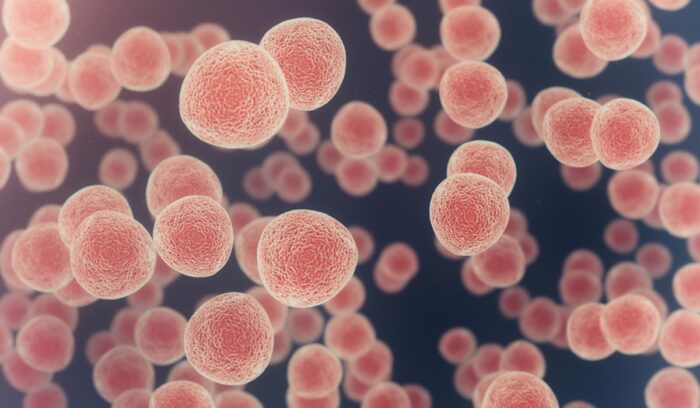
In collaboration with thoracic surgeon Gustaf Lindskog, the two doctors from Yale School of Medicine injected the chemical mustine into a patient with non-Hodgkin’s lymphoma. In a monumental moment for the field of medicine, the patient, a Polish immigrant to Connecticut known in literature only as JD, experienced a dramatic reduction in his tumor masses, paving the way for millions of future patients who would benefit from the therapy in the years and decades to come.

Nylon was first used commercially in a nylon-bristled toothbrush in 1938, followed more famously in women’s stockings or “nylons” which were shown at the 1939 New York World’s Fair and first sold commercially in 1940.

Within a year, people suffering from diabetes were being treated with insulin for a disease that had been considered fatal.
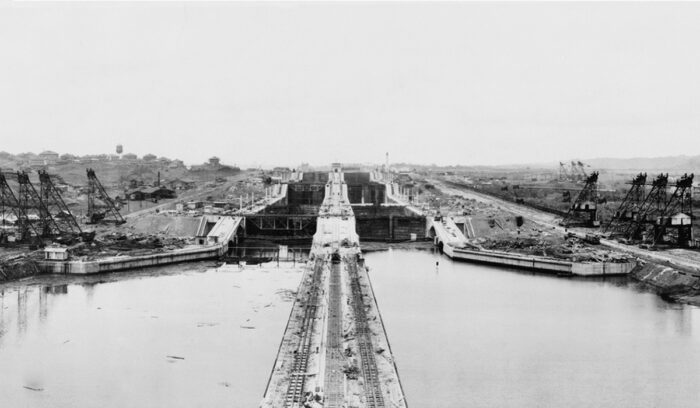
France began work on the canal in 1881, but stopped due to engineering problems and a high worker mortality rate. The United States took over the project in 1904 and opened the canal on August 15, 1914.
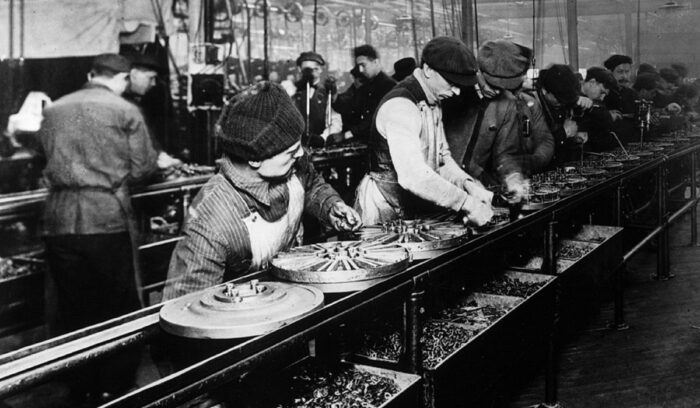
The assembly line, driven by conveyor belts, reduced production time for a Model T to just 93 minutes by dividing the process into 45 steps.
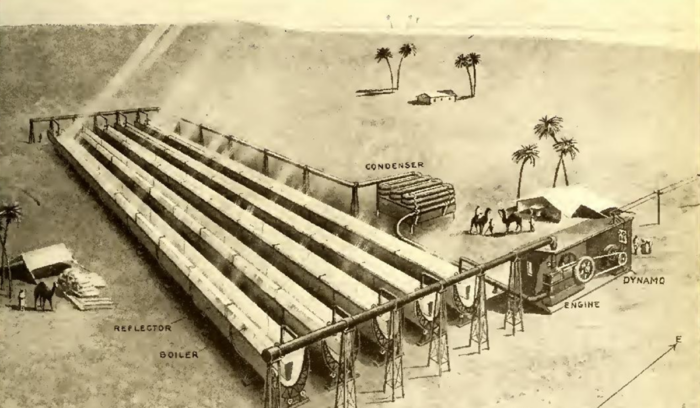
Frank Shuman was an American inventor, engineer, and solar energy pioneer known for his work on solar engines. Shuman built the world’s first solar thermal power station in Maadi, Egypt in 1913, using used semi circle shaped troughs to power a 60-70 horsepower engine that pumped 6,000 gallons of water per minute from the Nile River to adjacent cotton fields.

The Haber-Bosch process, is an artificial nitrogen fixation process and is the main industrial procedure for the production of ammonia today.
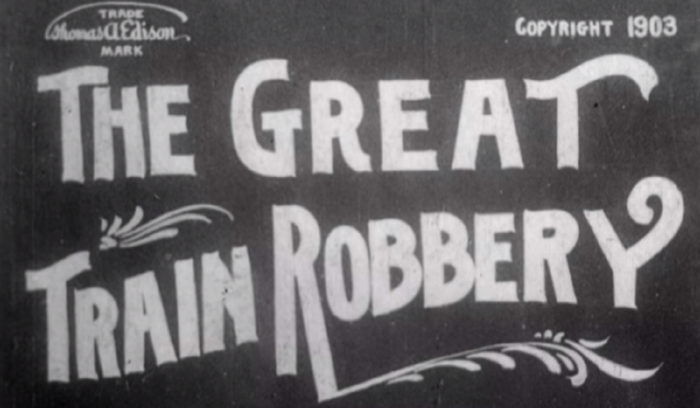
The Great Train Robbery’s popularity led directly to the opening up of permanent movie theaters and the possibility of a future film industry.