Trees & reforestation

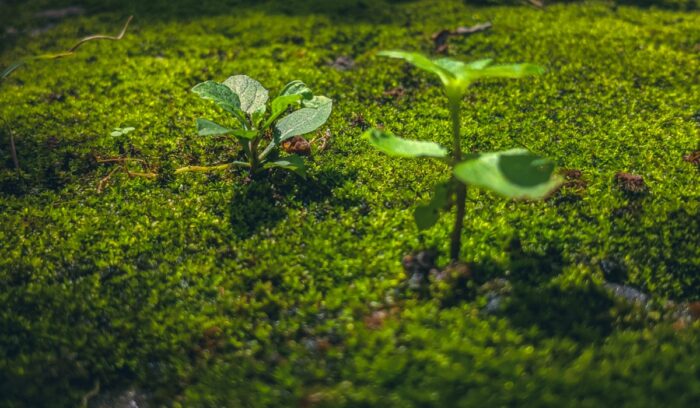
Young saplings

Microsoft signs another reforestation-based carbon removal megadeal

Microsoft and nature-based climate solutions startup re.green have announced one of the largest-ever carbon removal agreements, with Microsoft purchasing 3 million tons of carbon removal credits over a 15-year period, generated through re.green’s reforestation projects in Brazil. The deal marks the second large-scale Brazil reforestation-focused carbon removal agreement for Microsoft, following a 1.5 million ton offtake deal with Brazil-based Mombak in December 2023, forming part of the tech giant’s initiative to become carbon negative by 2030.

Acacia tree branch

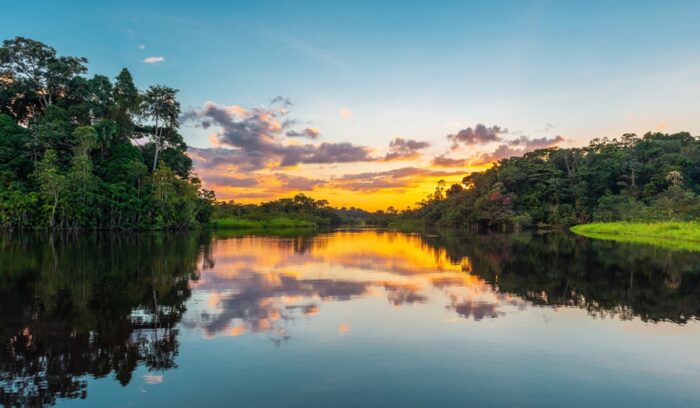
Democratic Republic of the Congo plants more than 800 million trees between 2019 and 2023

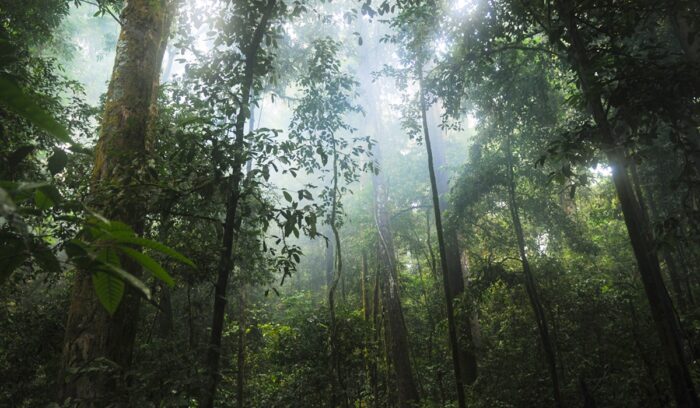
Ten percent of the world’s tropical forests are found in the Democratic Republic of the Congo (DRC). But the U.N.’s Food and Agriculture Organization estimates the DRC is losing 1.2 million acres of forest every year. To help address this, a Congolese government program aspired to plant 1 billion trees between 2019 and 2023, aiming to strengthen climate resilience, alleviate poverty and protect biodiversity, and achieved 90% of their goal.

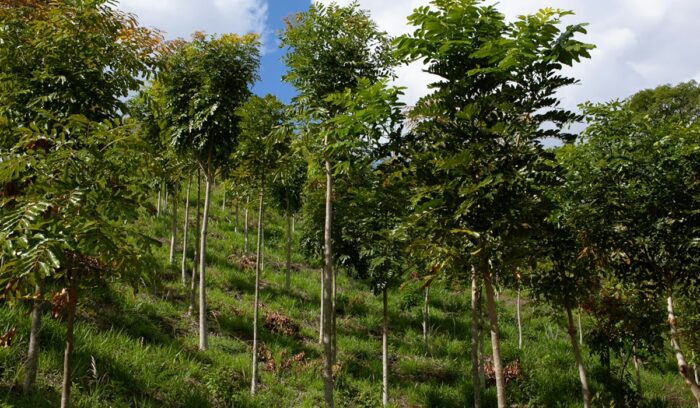
Young trees

The TREES program has planted tens of millions of trees across Africa since 2015

Since it was founded in 2015, the Trees for the Future (TREES) mass reforestation campaign has convinced and enabled thousands of farmers to plant tens of millions of trees every year. The program spans nine African countries ranging from Senegal and Mali to Tanzania and Kenya. In less than 10 years, it has reportedly restored a combined area of more than 41,000 hectares, which is about seven times the size of Manhattan.

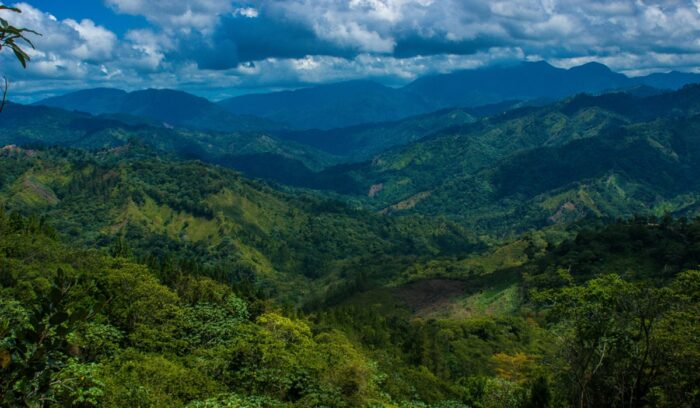
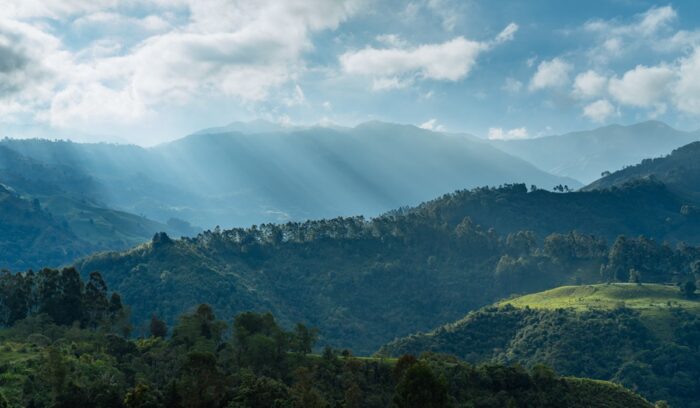
Dominican Republic forested landscape

The Dominican Republic reforests a fifth of the country in 10 years

Plan Yaque, founded in 2009, brings together 30 organizations to conserve the Yaque River basin, the Dominican Republic’s lifeline. The plan’s simplicity rests in convincing landowners that reforestation is not only an ecological need but also beneficial to their well-being. By 2019, Plan Yaque and other environmental efforts have restored 18 percent of damaged land, ranking as Latin America’s second-largest land recovery.

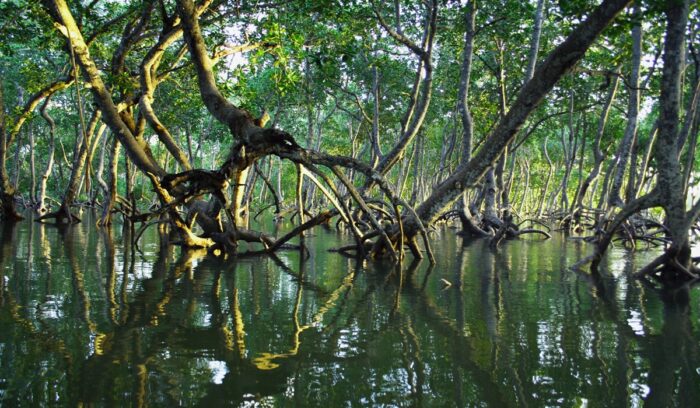
Mangrove forest

Pakistan has expanded mangroves nearly threefold between 1986 and 2020

Around the world, mangrove forests have undergone a decades-long decline that’s just now slowing to a halt. But Pakistan bucks this trend. The country’s mangroves expanded from 48,331 hectares in 1986 to 143,930 hectares in 2020, according to a 2022 analysis of satellite data. Many in Pakistan are looking to mangroves to bolster precious fish stocks and defend against the mounting effects of climate change.