
The Chinese of the Tang Dynasty invent the banknote
Merchants would issue what are today called promissory notes in the form of receipts of deposit to wholesalers to avoid using the heavy bulk of copper coinage in large commercial transactions.
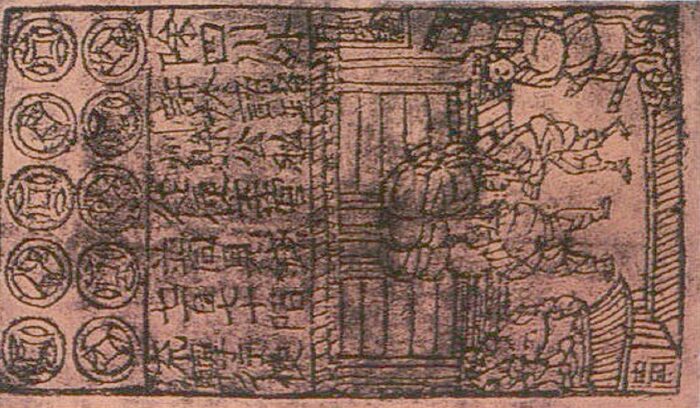
Merchants would issue what are today called promissory notes in the form of receipts of deposit to wholesalers to avoid using the heavy bulk of copper coinage in large commercial transactions.
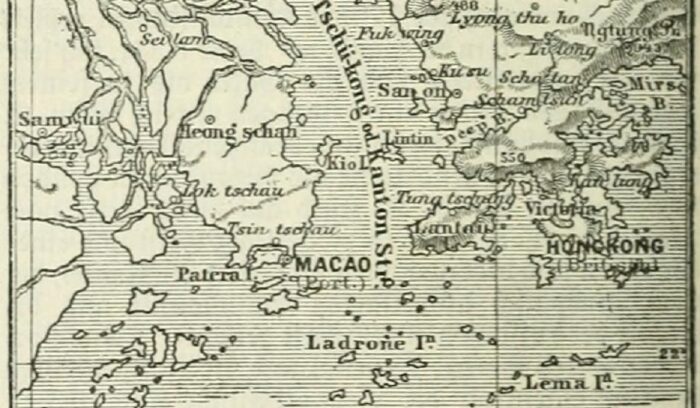
Since the 5th century, merchant ships travelling between Southeast Asia and Guangzhou used the region as a port for refuge, fresh water, and food.

According to ancient Chinese (977),[37]:129 Indian and Japanese manuscripts, western coastal cities of Borneo had become trading ports by the first millennium C.E.

The network was used regularly from 130 B.C.E., when the Han Dynasty of China officially opened trade with the west, to 1453 C.E., when the Ottoman Empire boycotted trade with the west and closed the routes.

The coins were made from electrum, a mixture of silver and gold that occurs naturally, and stamped with pictures that acted as denominations.

The trade route involved the seaborne movement of obsidian by an unknown Neolithic Europe seafaring people. The obsidian was mined from the volcanic island of Milos and then transported to various parts of the Balkans, Anatolia, and Cyprus, where they were refined into obsidian blades. However, the nature of the seafaring technologies involved has not been preserved.