Clean & renewable energy

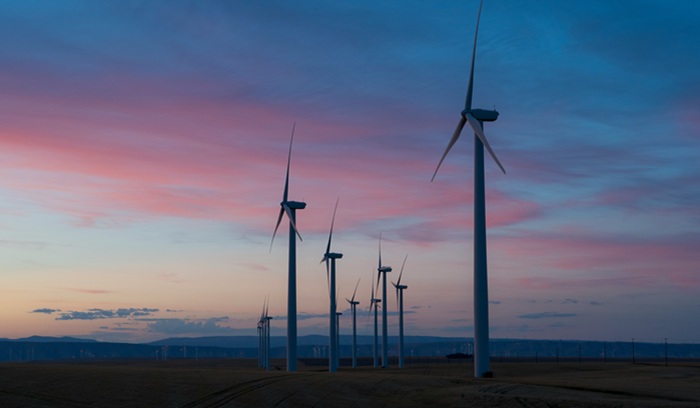
Wind turbines at sunset

Fossil fuels fall below 50% of U.S. electricity for the first time since the 1800s

In a major milestone for climate action, the U.S. hit a new record low for fossil fuels in the electricity mix last month as solar and wind reached a record high, according to new data from global energy think tank Ember. In March 2025, fossil fuels accounted for less than 50% of electricity generated, for the first month on record. The shift meant that clean sources generated more than half (50.8%) of U.S. electricity for the first month on record. 

Finnish flags

Finland has effectively phased out coal as a source of electricity generation

The closure of a coal power plant in Finland today brings the country to the brink of a full coal phase-out – four years ahead of schedule. Power utility company Helen officially decommissioned its Salmisaari plant in Helsinki on 1 April, dropping coal to a less than 1% share of the country’s energy mix. Since 2020, coal generation has dropped by 73% from 2.44 terawatt hours to 0.67. Over the same span, wind power has more than doubled since 2020 to supply a quarter of the country’s energy.

Solar farm and wind turbines on sunny day

Renewables account for 92% of new power capacity worldwide in 2024

Countries added a record amount of renewable power in 2024, according to an analysis from the International Renewable Energy Agency. The analysis found that solar is by far the fastest-growing form of renewable power, amounting to 77% of new capacity, with wind in a distant second at 19%. Continuing its clean-energy dominance, China installed more renewable power than all other countries combined last year. Still, growth is not on pace to meet a global goal to triple renewable capacity by the end of this decade.

Battery illustration

Chinese researchers develop new battery recycling process that recovers 99.99% of lithium

The groundbreaking method, developed by researchers from Central South University, Guizhou Normal University, and the National Engineering Research Center of Advanced Energy Storage Materials, employs a unique ‘battery effect’ mechanism. The process achieves remarkable recovery rates: 99.99% of lithium, 96.8% of nickel, 92.35% of cobalt, and 90.59% of manganese, all within just 15 minutes. Unlike traditional methods, this approach avoids harsh chemicals and minimizes environmental harm, generating effluents suitable for use as fertilizer.

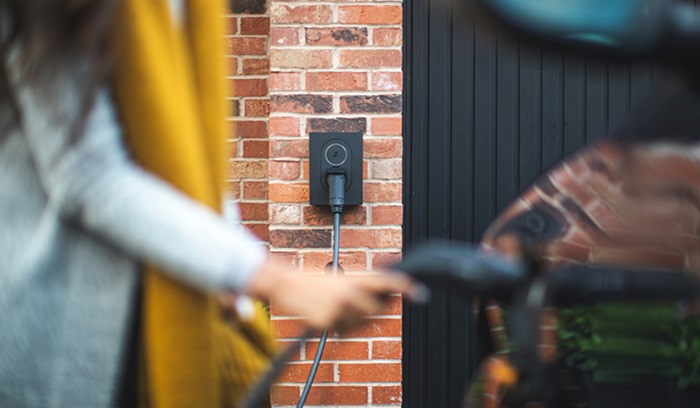
California now has more EV charging ports than gas nozzles

California has steadily amassed its EV charging network with both public and private charging ports over the last few years. In 2024, California boasted 178,500 total EV ports compared to around 120,000 estimated gas nozzles, according to the California Energy Commission. The number of accessible chargers across California has nearly doubled since 2022. Since August, the last time these figures were publicly updated, the state has recorded roughly 26,000 additional publicly accessible EV chargers.

High-speed train

Canada to build massive, fully electric, 185-mph inter-city rail network

Canada is set to begin work on a high-speed inter-city rail network – the largest infrastructure project in the country’s history. Spanning 621 miles, the fully electric new rail network will serve 18 million people – nearly half of Canada’s population – across the Toronto-Quebec City corridor. It’s expected to serve 13 times more passengers annually than the current service. Canada is expected to invest nearly $3 billion USD over the next six years to bring the project to light.

Illustration of the concept of nuclear fusion

France runs fusion reactor for record 22 minutes

Achieving the dream of commercial fusion power is the Holy Grail of engineering and has been for 80 years. With a single gram of hydrogen isotopes yielding the energy equivalent of 11 tonnes of coal, a practical fusion reactor would hold the promise of unlimited, clean energy for humanity until the end of time. France has upped the ante in the quest for fusion power by maintaining a plasma reaction for over 22 minutes – 25% longer than the previous record set by China in January 2025.

Illustration of the concept of nuclear fusion

China sets new fusion endurance record of over a thousand seconds

Fusion power is widely thought of as the holy grail of renewable, climate-friendly energy. Now, we are one step closer to realizing practical fusion power for the masses. The Experimental Advanced Superconducting Tokamak reactor in China’s Anhui Province has set a new record with a 1,066-second sustained fusion reaction. The new record builds on the previous record of 403 seconds set by EAST in 2023. The increase was made possible by a number of upgrades to the experimental system that have doubled the power output while keeping the reaction stable.

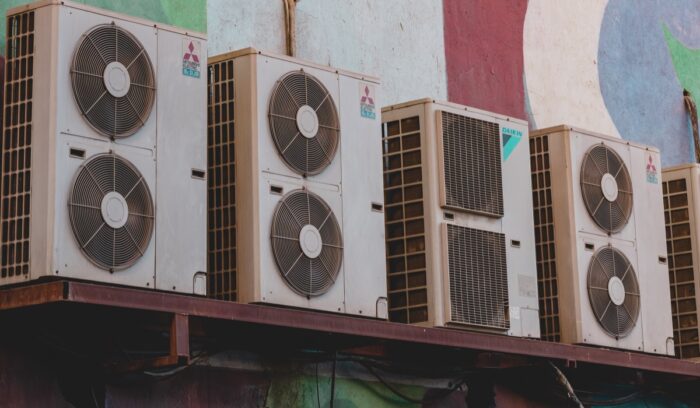
Heat pumps

Carbon-friendly heat pumps now outselling gas furnaces in the U.S.

Americans bought 37% more heat pumps than the next most popular heating appliance — gas furnaces — during the first 11 months of 2024. That’s a 21% increase over 2023. In addition to providing heated air in the winter and cool air in the summer, they are far more efficient than conventional heat sources — delivering three to four times more heat per dollar spent than oil- or gas-fired heating equipment or old-fashioned electric baseboard heat. To decarbonize the economy by 2050, heat pumps need to be 100% of heating system sales.

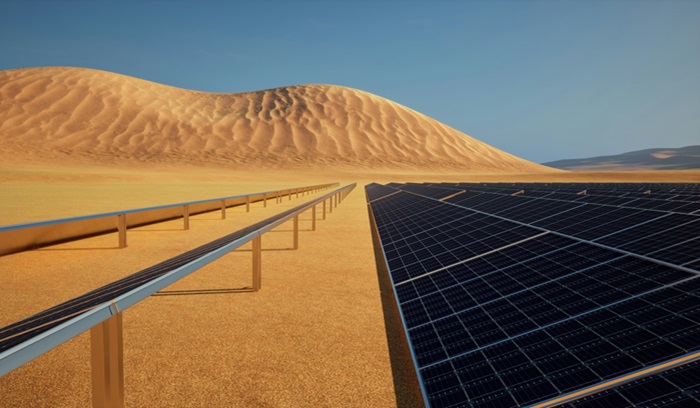
Solar farm in the desert

Abu Dhabi to build world’s largest solar energy project

Abu Dhabi will soon be home to a 5.2-GW solar farm, enough to power 750,000 homes and become the world’s new largest-ever solar energy project. The project will cost US$6 billion, and is set to be commissioned in 2027. It will consist of around 10 million solar panels across 20 square miles, more than 10,000 football fields. The new project in Abu Dhabi not only earns the United Arab Emirates major bragging rights, but also gets it closer to its Net Zero by 2050 target.