
U.K.’s Costa Coffee to recycle equivalent of all its takeaway cups each year
U.K.’s largest coffee shop chain has pledged to recycle up to 500m cups a year by 2020 — a fifth of the total used in the country

U.K.’s largest coffee shop chain has pledged to recycle up to 500m cups a year by 2020 — a fifth of the total used in the country
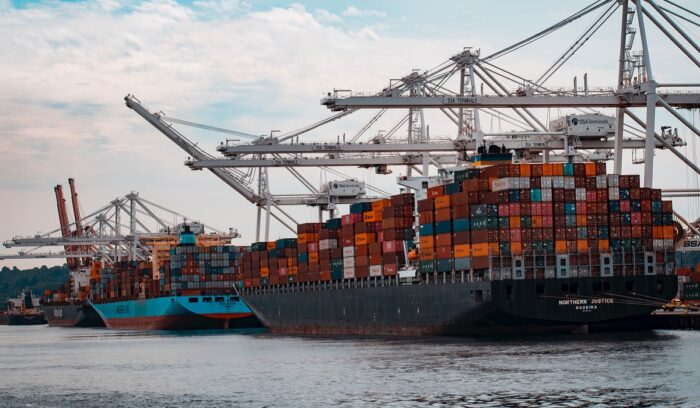
Members of the UN International Maritime Organisation on Friday struck a deal to halve carbon dioxide emissions from shipping by 2050 in a deal that will force the industry to redesign fleets.

“When it comes to climate change, our plan is clear,” said Ms. Ardern, a member of the center-left Labor Party. “We are committed to the goal of becoming a net zero emissions economy by 2050.”
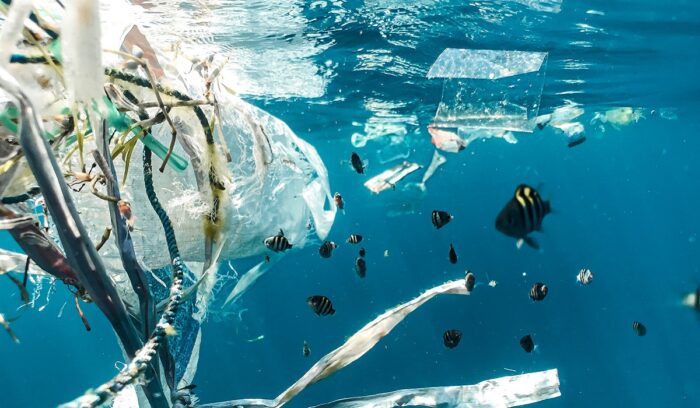
The number of plastic bags found on the seabed has plummeted, suggesting efforts to combat plastic pollution are working.

Waitrose, with more than 350 stores in the U.K., will stop using disposable coffee cups in a move the supermarket says will save 52 million cups a year.

The iPhone maker has been working toward for years through the purchase of green energy bonds and other renewable investments in its supply chain and physical infrastructure.
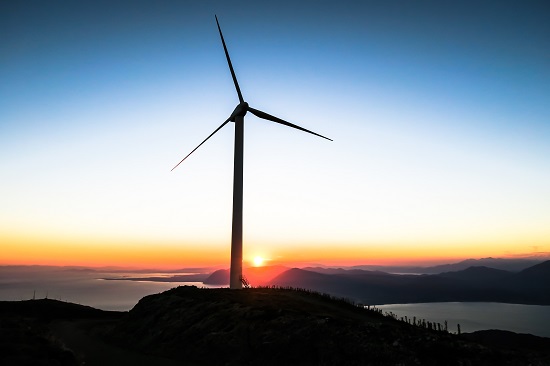
“Over the course of 2017, across the globe, for every kilowatt hour of electricity we consumed, we purchased a kilowatt hour of renewable energy from a wind or solar farm that was built specifically for Google.”
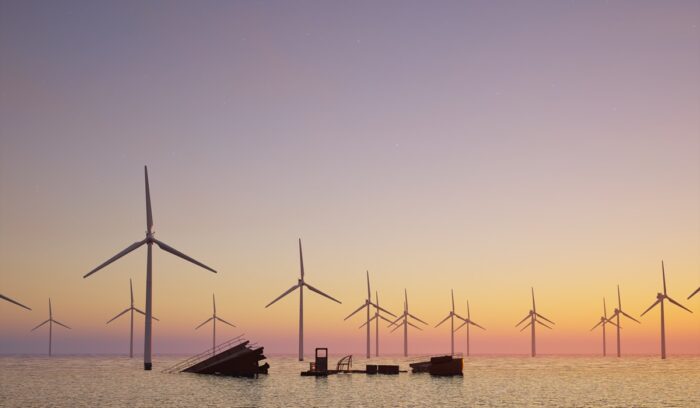
Onshore wind turbines in Scotland are set for another bumper year of generation, with figures for the first three months of 2018 revealing a 44 per cent uptick in wind power output compared to the same time last year.

The department store has not stocked single-use water bottles for almost two years and it hopes the latest plan will encourage its clientele to stop using throwaway plastic and instead look to purchase aluminium cans or glass.

A decline in diesel-car sales in Germany accelerated in March, the first month after a court ruled that cities can ban vehicles to tackle pollution.