
Five U.S. states are repaving roads with unrecyclable plastic waste
Pilot programs are ongoing in Missouri, Pennsylvania, Virginia, California, and Hawai’i are already seeing promising results.

Pilot programs are ongoing in Missouri, Pennsylvania, Virginia, California, and Hawai’i are already seeing promising results.

Similar bans have already been made in Scotland and Wales, while the U.K. government banned single-use plastic straws, stirrers and cotton buds in England in 2020.
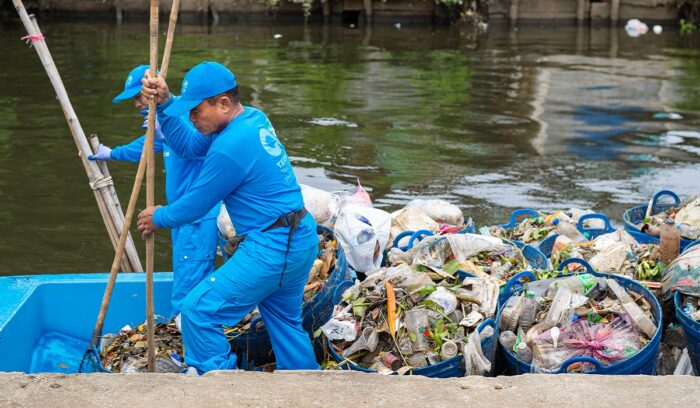
The Foundation partners with local community and government organizations to stop waste from reaching the ocean, where it degrades and becomes harder to capture and recycle.
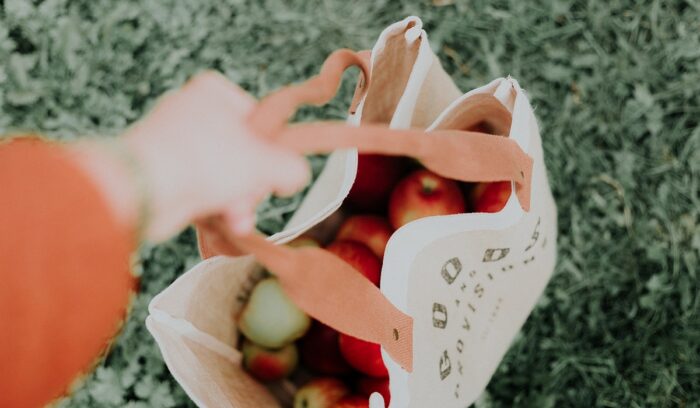
Governor Newsom signed a new bill into law that will ban single-use plastic produce bags starting in 2025. The law requires that all such bags be replaced by recycled paper bags or compostable ones.
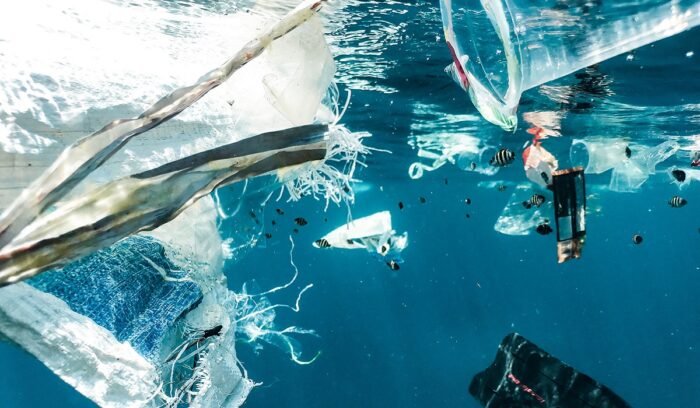
Since deployment in August 2021, System 002 (or “Jenny”) has now collected 101,353 kg of plastic over 45 extractions, sweeping an area of over 3000km2 – comparable to the size of Rhode Island.
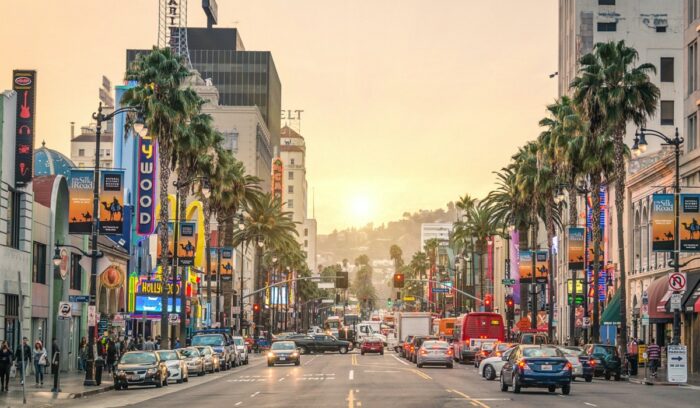
The bill states that 30% of plastic items sold or bought be recyclable by 2028 and economic responsibility falls to producers
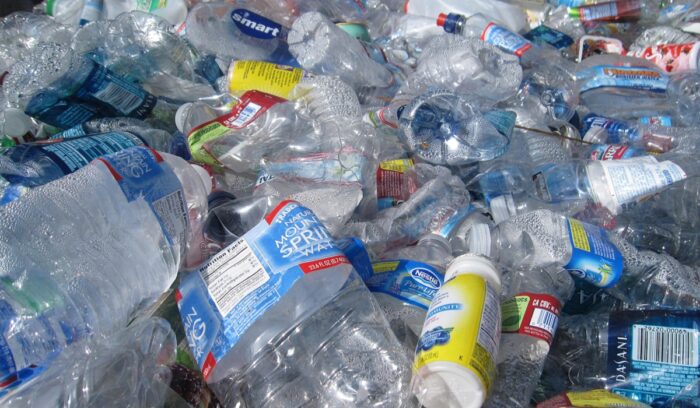
The country generates around four million tons of plastic waste per year, about a third of which is not recycled and ends up in waterways and landfills that regularly catch fire and exacerbate air pollution.
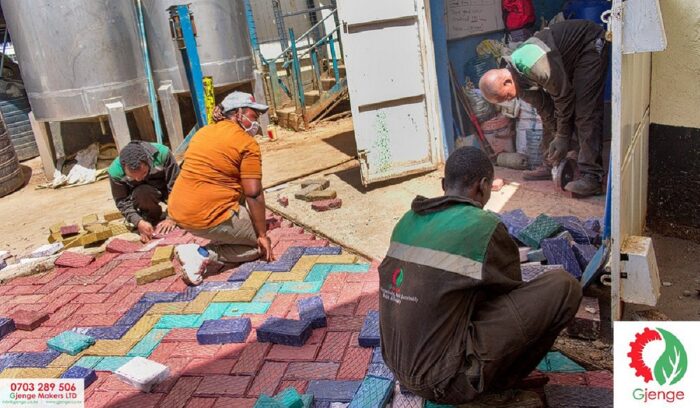
Nzambi Matee’s Nairobi-based company, Gjenge Makers, produces a variety of different paving stones, which are already being put to use to line sidewalks, driveways, and roads.

The Flipflopi team intends to set up a Material Recovery Center for plastics, which will be the first of its kind in the Lamu archipelago and will serve over 140,000 people.

The coating can be rinsed off with water and degrades in soil within three days, according to the study from Rutgers University.