
Body donations surge in Japan amid changing views of death
Some 296,000 people had offered to donate their bodies to universities as of March 31, 2018, compared with about 68,000 in 1985, with the figure increasing by 8,000 annually in recent years.

Some 296,000 people had offered to donate their bodies to universities as of March 31, 2018, compared with about 68,000 in 1985, with the figure increasing by 8,000 annually in recent years.
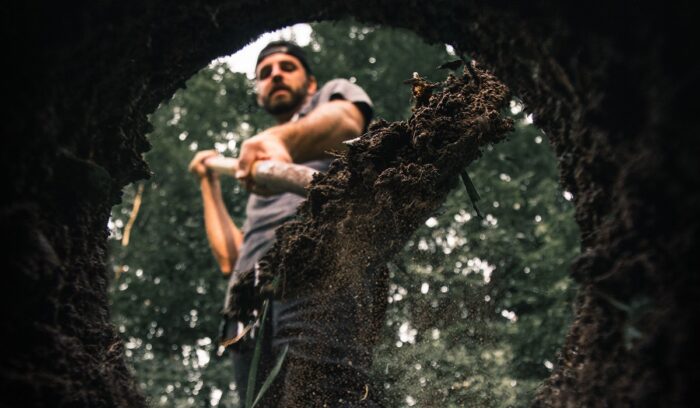
The practice reduces the environmental impact and saves land from being taken up by cemetery plots and headstones.

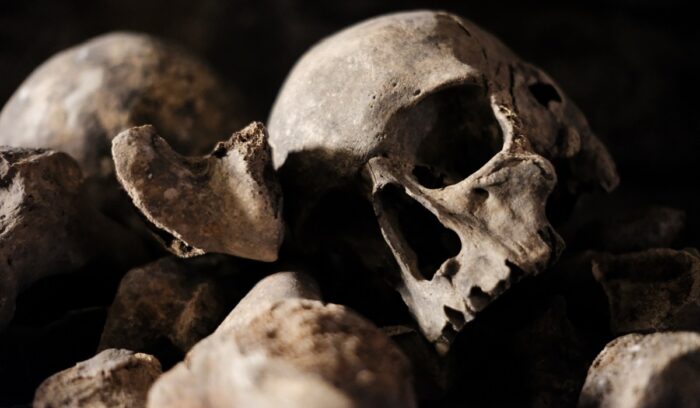
The emergence of ceremonial burial required profound human ingenuity: abstract thought, planning depth, and symbolic communication. This cognitive leap, evidenced by organized graves (like the 50,000-year-old Neanderthal burial at La Chapelle-aux-Saints) and symbolic grave goods, reinforced community bonds, empathy, and cultural memory.
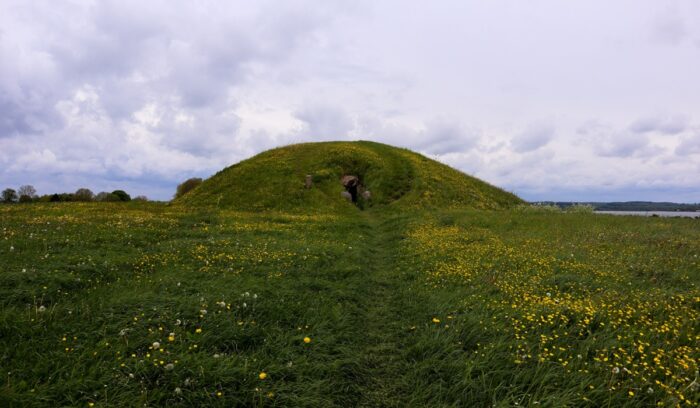
The earliest practice of human burial, dating back to sites like Qafzeh Cave in modern-day Israel, marked a monumental achievement in human history. This deliberate act of interment created cohesive social communities and provided a shared ritual for processing grief. More profoundly, it required advanced abstract thought and planning, affirming the inherent value of the individual beyond survival. This invention of ritual laid the essential foundation for all subsequent human culture and civilization.