
Solar projects transform abandoned coal mines in Virginia
The Nature Conservancy hopes to bring clean energy jobs to the overwhelmingly rural and Republican area in Virginia that has lost more than 27,000 people since 2010.

The Nature Conservancy hopes to bring clean energy jobs to the overwhelmingly rural and Republican area in Virginia that has lost more than 27,000 people since 2010.

The solar project on the 17-mile-long reservoir in Hapcheon is able to generate 41.5 megawatts, enough to provide power for 60,000 people more than the total population of the county.

The researchers at the University of Bath hope the new process will help recycling become less energy intensive, and thus more economically viable.
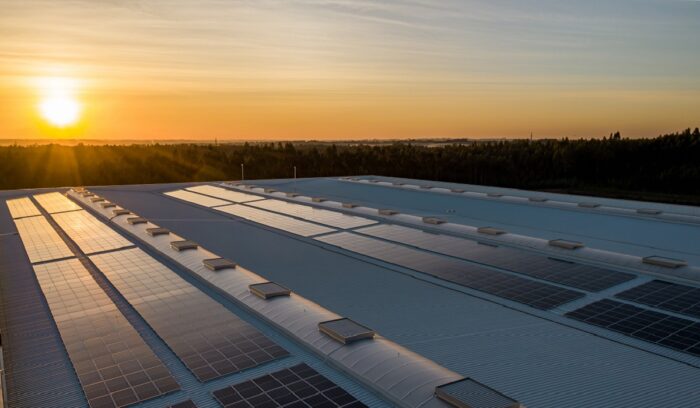
Solar One has already contributed over two megawatts of solar to the country’s energy mix enough to power around 380 US homes.

New research from Clean Cities Campaign has named Oslo the most progressive in terms of getting rid of mobility emissions, followed by Amsterdam and Helsinki.

A new kind of milk will soon hit US shelves, but it isn’t some plant-based product designed to resemble dairy milk. Instead, it is made from whey proteins produced by microflora engineered.

Australian mining company Fortescue is looking to reduce the carbon footprint of its operations by allowing a specially designed electric “Infinity Train” to roll down a hill to recharge its massive batteries.

MIT spin-off Quaise says it’s going to use hijacked fusion technology to drill the deepest holes in history, unlocking clean, supercritical geothermal energy that can re-power fossil-fueled power plants all over the world.

Stellantis’ forward plan advances carbon-neutral manufacturing and the “cradle-to-cradle” business model to Reduce tailpipe emissions. The plan calls for a 50% carbon emissions reduction by 2030, with a carbon net-zero target of 2038.

In a study of 20,000 pregnant women, baby death rates in ethnic groups were three times lower than normal when the tool was used.