
Hawaii startup just launched world’s first ocean-assisted carbon removal plant
Each Heimdal can pull 1,000 tons of carbon out of the ocean per year at just a fraction of the cost of air-capture methods.

Each Heimdal can pull 1,000 tons of carbon out of the ocean per year at just a fraction of the cost of air-capture methods.
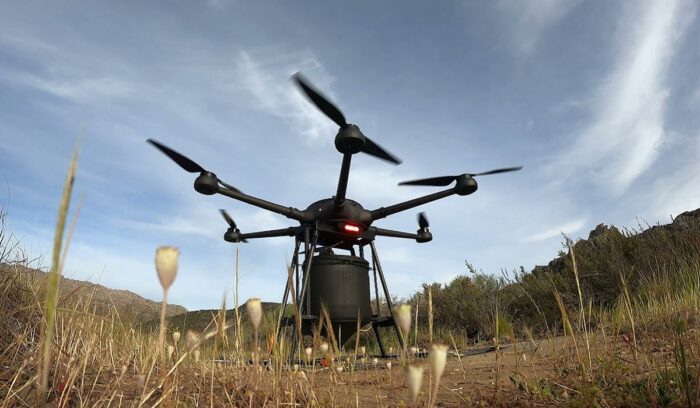
In comparison to traditional methodologies, they are not only 25 times faster, but 80 per cent cheaper, according to developer AirSeed Technologies.
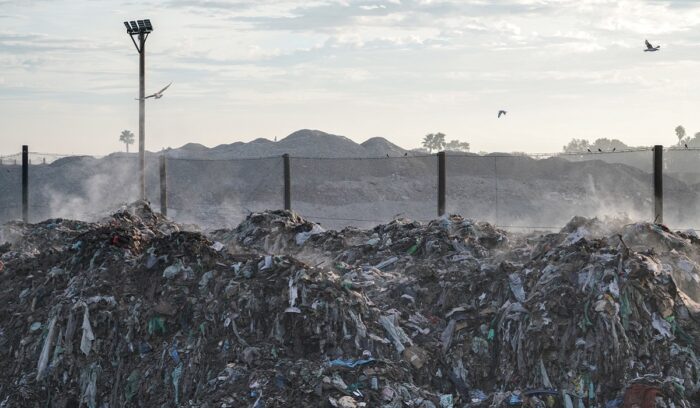
An enzyme created by engineers and scientists at the University of Texas breaks down plastics that typically take centuries to degrade in a matter of days.

The new city, Nexgen, to be located east of Cairo, will produce more food and energy than it consumes.

A pair of Swedish scientists designed a microchip that stores solar energy in liquid, and shipped it to China where three months later it was converted into electricity.

The new system shreds and sorts e-waste in an enclosed negative pressure system and can recover up to 90 percent of materials.

The setup is inexpensive and, in principle, could be incorporated within existing solar cells. It is also simple, so construction in remote locations with limited resources is feasible.

The company offers these brushes through a subscription service. Used brushes are returned in provided pre-paid packaging to be recycled.

The scientists from Rice University developing the technique estimate that the cost to remove CO2 from flue gas streams would be about US$21 a ton, a significant improvement over existing alternatives.

Scientists from SomaLogic in Boulder, CO have developed a blood test that can predict whether someone is at high risk of a heart attack, stroke, heart failure within the next four years.