Technology & innovation

Sea water crashing against rocks

Japan opens landmark osmotic power plant

A groundbreaking development has put osmotic power back on the map as a viable clean energy source. Japan has opened the world’s second large-scale osmotic power plant, a facility in Fukuoka prefecture that turns the natural mixing of freshwater and saltwater into electricity. This milestone proves that this technology is moving beyond the lab. It offers a new model for continuous, emissions-free power generation that can be integrated into existing infrastructure, providing a stable complement to intermittent sources like solar and wind.

Illustration of two halves of the brain

Promising new epilepsy drug delivers 80% reduction in seizures

A new epilepsy drug candidate, RAP-219, is showing remarkable promise for people whose seizures have not responded to existing treatments. In a Phase 2a trial led by Rapport Therapeutics with support from NYU Langone Health, nearly one-quarter of participants became seizure-free, while most saw their seizures cut by more than half. Using advanced neurostimulation devices to track brain activity, researchers confirmed the drug’s targeted effects and manageable side-effect profile. If larger studies confirm these results, RAP-219 could offer new hope for patients living with drug-resistant epilepsy.

Good news for public health

U.S. Food & Drug Administration approves world’s first 100% effective HIV prevention drug

The U.S. FDA has approved lenacapavir (Yeztugo), the first HIV prevention shot that’s given just twice a year. In large studies, it was virtually 100% effective—no HIV cases were seen in one trial, and only two cases occurred in another with more than 2,000 people. This long-lasting protection could make it much easier for people to stay protected, especially for those who find taking a daily pill difficult. By reducing the need for frequent dosing, the new treatment has the potential to greatly expand access to HIV prevention and help move the world closer to ending the deadly epidemic that has killed more than 44 million people worldwide since 1981.

Holding a smiling baby

World’s first malaria treatment for newborn babies gets approval

Switzerland’s drug regulator has cleared the way for a new medicine to become available in parts of Africa where the life-threatening disease is endemic. In a late-stage clinical trial, pharmaceutical giant Novartis showed the drug was safe and effective for babies. The lack of specialized treatment – and the fact that babies are not vaccinated until they are around five months old – has left the youngest infants relatively unprotected against malaria, a mosquito-borne disease that kills about 597,000 people per year.

Illustration of the concept of nuclear fusion

U.K. to offer fusion energy industry $3.3 billion funding boost over next five years

More than £2.5bn of investment into fusion energy over the next five years has been announced as part of the British government’s Spending Review. It said the money would “cement” Oxfordshire’s role as a “world-leading hub” for the technology, while funds would also be invested into plans to build a fusion power plant in Nottinghamshire. Nuclear fusion is the same energy process that powers the stars, which scientists say has the potential of virtually unlimited supplies of low-carbon, low-radiation energy and is often called the “holy grail” of clean energy.

Holding hands

Pancreatic cancer vaccine eradicates deadly disease in more than half of targets in early trials

The pioneering work from Cleveland’s Case Western Reserve University researchers targets pancreatic ductal adenocarcinoma, the most common cancer that plagues the organ. While not the most common form of cancer, pancreatic cancer is particularly insidious, often remaining undetected until it metastasizes. The five-year survival rate is just 13.3%. In preclinical trials, the vaccine eliminated the cancer in more than half of the targets.

Illustration of red blood cells

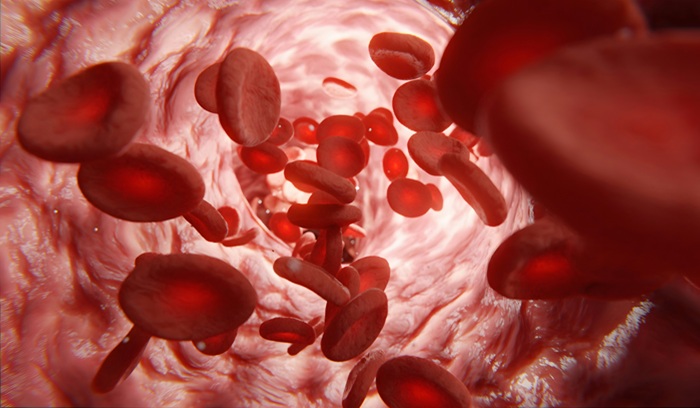
Japan to begin clinical trials for artificial blood

For decades, a shrinking population and an aging society in Japan have led to fewer blood donors. This situation is especially dire during disasters or in remote regions, where matching blood types and storing donated blood are logistical nightmares. Recognizing this, researchers at Nara Medical University are developing a safe, effective artificial blood that could be administered to anyone, anywhere, at any time. Clinical trials begin this year, with practical use expected by 2030.

Surgery

Surgeons in California perform first-ever successful bladder transplant

Patients who have their bladder removed most often have a portion of intestine repurposed to pass urine, often resulting in a host of new complications, including infections and digestive issues. Those complications have led doctors around the world to seek bladder transplant techniques for years. The transplant performed in early May has so far succeeded, and doctors said they are “satisfied” with the patient’s recovery, though many unknowns remain.

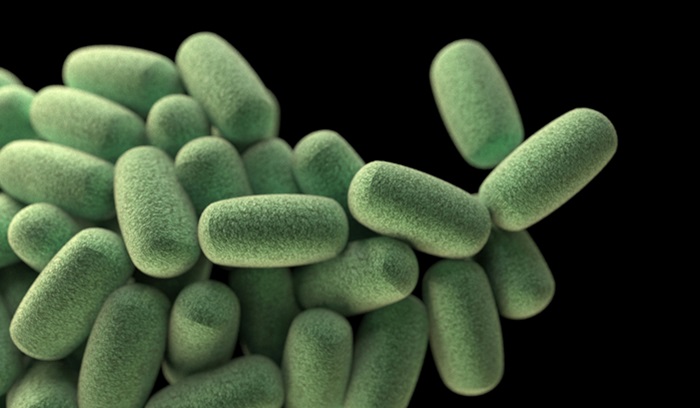
​Korean scientists develop technique that detects nearly 100% of bacterial infections in under 3 hours​

Scientists at the Ulsan National Institute of Science & Technology (UNIST) in South Korea have made a major breakthrough in the accuracy and speed at which often deadly pathogen infections can be identified and treated. In many cases, this accelerated process can save lives. The new technique, known as fluorescence in situ hybridization (FISH), detected seven species of bacteria that commonly infect humans. It proved to be more than 99% accurate for all but one – a pathogen that infects skin tissue – which had a still-impressive 96.3% success rate.

Battery illustration

Chinese researchers develop new battery recycling process that recovers 99.99% of lithium

The groundbreaking method, developed by researchers from Central South University, Guizhou Normal University, and the National Engineering Research Center of Advanced Energy Storage Materials, employs a unique ‘battery effect’ mechanism. The process achieves remarkable recovery rates: 99.99% of lithium, 96.8% of nickel, 92.35% of cobalt, and 90.59% of manganese, all within just 15 minutes. Unlike traditional methods, this approach avoids harsh chemicals and minimizes environmental harm, generating effluents suitable for use as fertilizer.