Fresh water conservation

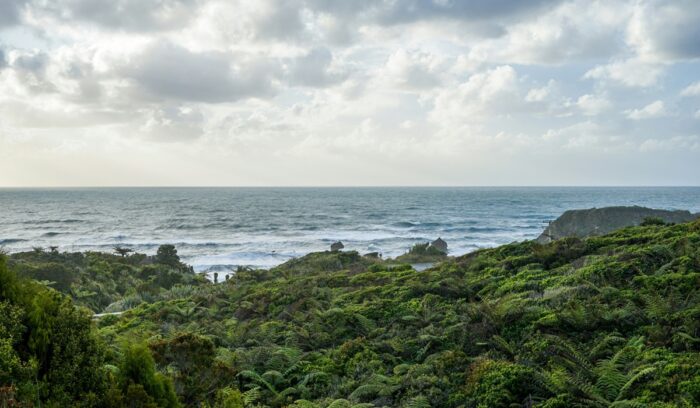
The beach with vegetation in foreground

In a first, the Brazilian city of Linhares grants legal rights to waves

The city of Linhares, Brazil, has granted legal rights to the waves at the mouth of the Doce River, the first instance in which a government has conferred rights upon part of the ocean. The city is aiming to better protect its coastal waters in the wake of the 2015 collapse of the Fundão dam. The dam held back more than 10 billion gallons of waste at an iron mine upstream, and when it failed, a wave of sludge poured into the Doce River.
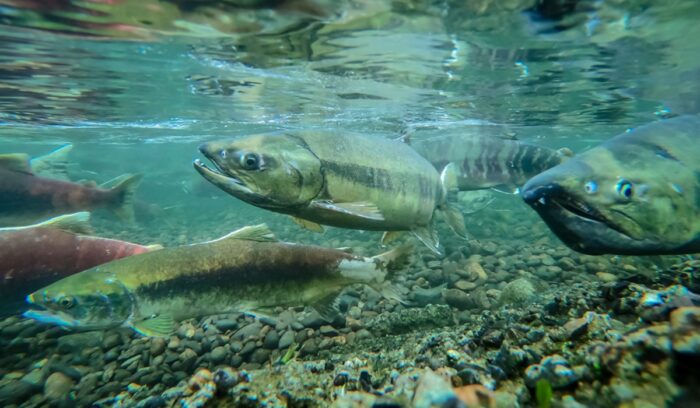
Salmon run

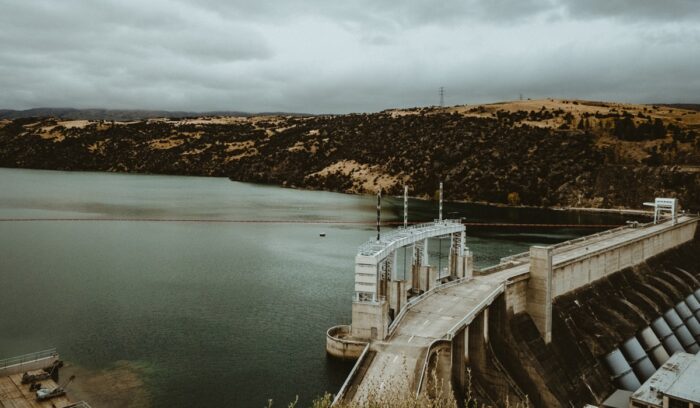
Salmon will soon swim freely in the Klamath River for first time in a century once dams are removed

The largest dam removal project in U.S. history is nearing completion. Crews will use excavators this week to breach rock dams that have been diverting water upstream of two dams that were already almost completely removed, Iron Gate and Copco No. 1. The work will allow the river to flow freely in its historic channel, giving salmon a passageway to key swaths of habitat just in time for the fall Chinook, or king salmon, spawning season.

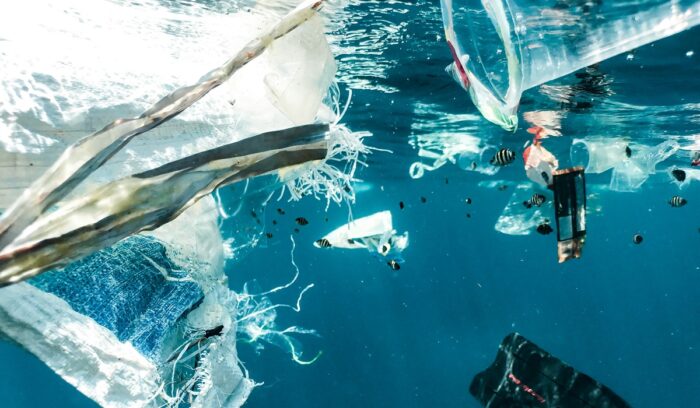
Plastic pollution in the water

Plastic-choked rivers in Ecuador are being cleared with conveyor belts

Created by the tech start-up Ichthion, the Azure system’s simple design has the capacity to stop and collect around 80 tonnes of plastic per day. The Azure system is a boom device that stretches across the river to stop objects floating on the surface. It extends two feet down into the water, allowing fish and other organisms to move freely below and is placed at an angle allowing the natural water flow to direct all debris into one corner of the riverbank.

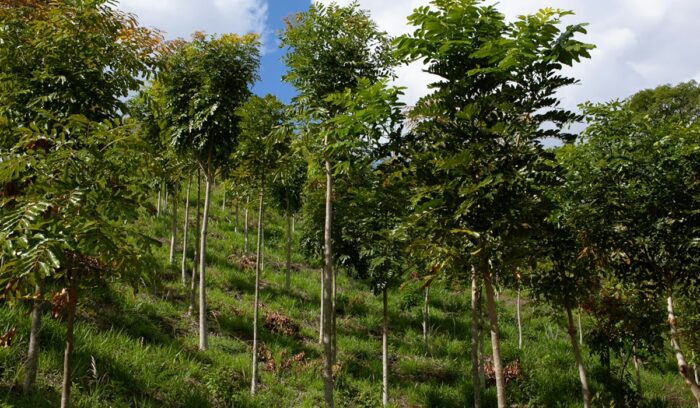
Young trees

The TREES program has planted tens of millions of trees across Africa since 2015

Since it was founded in 2015, the Trees for the Future (TREES) mass reforestation campaign has convinced and enabled thousands of farmers to plant tens of millions of trees every year. The program spans nine African countries ranging from Senegal and Mali to Tanzania and Kenya. In less than 10 years, it has reportedly restored a combined area of more than 41,000 hectares, which is about seven times the size of Manhattan.