Clean & renewable energy

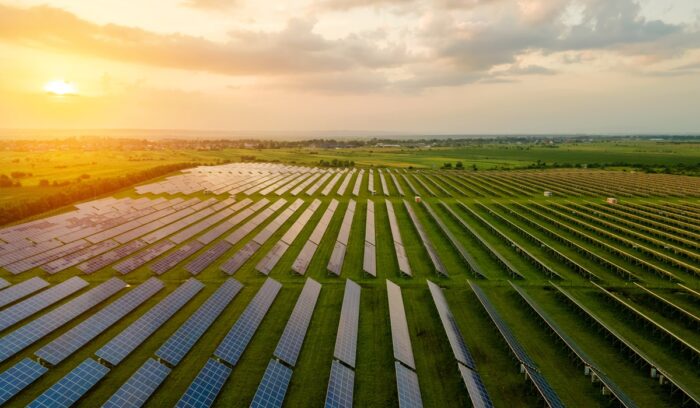
Aerial view of large electrical power plant with many rows of solar photovoltaic panels for producing clean ecological electric energy in morning

96% of all new power capacity in the U.S. in 2024 will be carbon-free

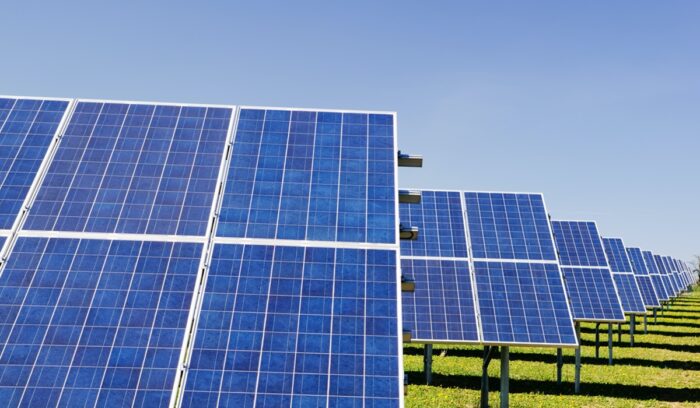
In 2024, the U.S. power industry is choosing clean energy for almost all its new capacity additions. The latest federal forecast for power plant additions from the U.S. Energy Information Administration shows solar sweeping with 58% of all new utility-scale generating capacity this year. In an upset, battery storage will provide the second-most new capacity, with 23%. Wind delivers a modest 13%, while the long-delayed final nuclear reactor at Vogtle in Georgia will add 2% of new capacity.

Allegiant Stadium

Super Bowl 58 first to be fully powered by renewable energy

This year’s Super Bowl was the first ever to be fully powered by renewable energy, thanks to the host stadium’s agreement with a solar farm. More than 621,000 solar panels found in a barren area of the Nevada desert help power Allegiant Stadium, home to the Las Vegas Raiders and host of Super Bowl LVIII. According to CBS News, the Les Vegas stadium entered into a 25-year agreement with NV Energy to buy power from its new solar installation.

Heat pumps

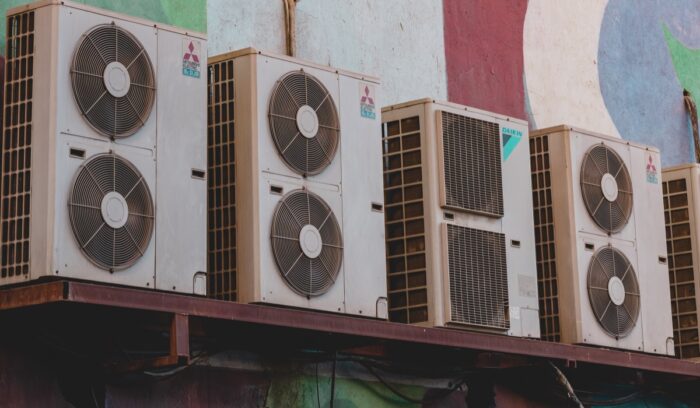
Nine U.S. states, including California and New York, sign heat pump agreement to clean up air pollution

Nine U.S. states have inked an agreement to promote climate-friendly heat pump sales. The memorandum of understanding sets a 2030 target for heat pumps to make up 65% of residential heating, cooling, and water heating equipment sales. By 2040, the goal is for heat pumps to account for 90% of the HVAC and water heating market. The states on board with the agreement include: California, Colorado, Maine, Maryland, Massachusetts, New Jersey, New York, Oregon, and Rhode Island.

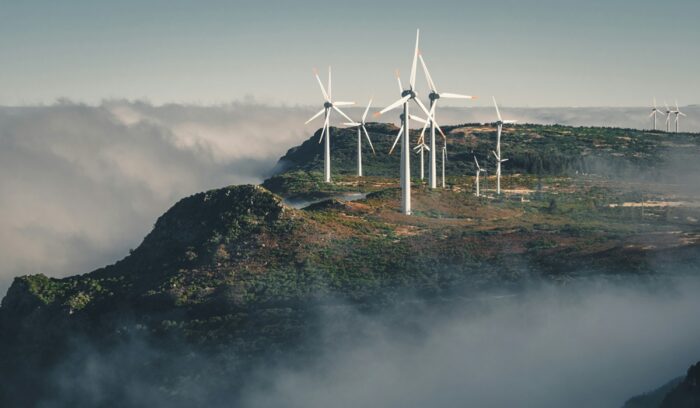
Wind turbines amid clouds

Wind power overtakes natural gas in the E.U. for first time ever

The ⁠European Union saw a record drop in fossil fuel power last year, according to a new analysis by energy think tank Ember. In 2023, coal generation fell by 26%, while gas generation fell by 15%. Along with a record buildout of renewables and a downturn in demand, the decline of fossil fuels led to an unprecedented drop in emissions from generating electricity, which fell by 19%. Now, for the first time, wind power supplies more electricity for Europe than either natural gas or coal.

Meskel Square traffic in Addis Ababa

Ethiopia becomes first country to ban combustion-powered vehicles

Ethiopia is to claim the accolade of becoming the first country in the world to ban the importation of all internal combustion engine cars, both new and used. The East African country will adopt an electric-only strategy as it seeks to reduce its reliance on fossil fuel imports and clean the air in its cities. While EV charging infrastructure is limited, Ethiopia does generate 100% of its electricity from renewable sources, according to the International Energy Agency, with strong solar, hydropower, and wind power projects.

Traffic in a Chinese city

25% of new car sales in China were fully electric in 2023 for the first time ever

Electric vehicles sales in China, the world’s largest automotive market, are surging. All plugin models accounted for 37% of the market in 2023, up from just 6% at the end of 2021. Full electrics (BEVs) alone accounted for 25%. Plugins are expected to cross the 50% mark for plugins and electric by 2026, with BEVs likely to account for over a third of sales, if current trends persist.

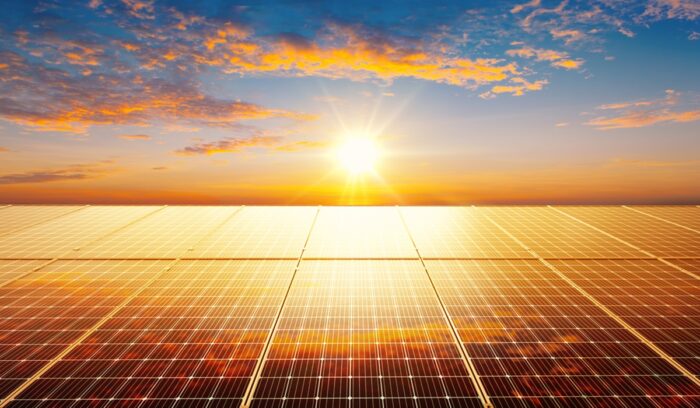
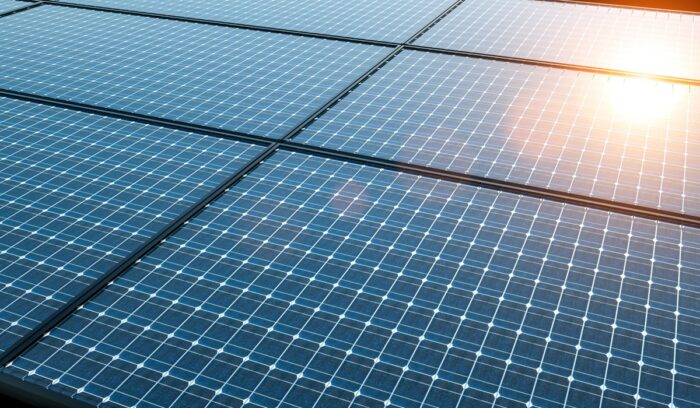
Solar panels reflect sparkling light from the Sun

Rio Tinto signs contract for Australian grid’s first gigawatt scale solar project

Mining company Rio Tinto has signed a contract to buy all the electricity from what will be the biggest solar project on Australia’s main grid – a 1.1 GW facility near Gladstone in Queensland. Rio Tinto is seeking up to 4 GW of wind and solar to provide clean power to and guarantee the future of its three main assets in the region – the Boyne Island aluminium smelter, the Yarwun alumina refinery, and the Queensland alumina refinery. All three assets are now supplied by coal.

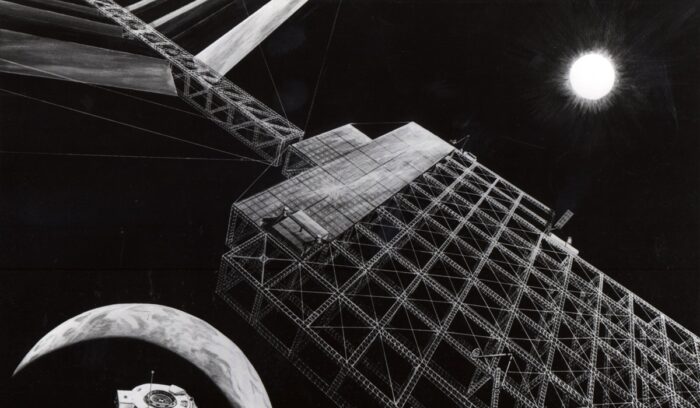
Artist's concept of a solar power satellite in place

First ever space-to-Earth solar power mission succeeds

A landmark test of beaming solar power to Earth from a satellite has concluded successfully after a year-long mission. Led by scientists at the California Institute of Technology, the mission completed all three of its primary experiments to test key technology for such an endeavor. They included a new origami-inspired solar panel structure, different cell designs, and a microwave transmitter.