
Belize certified malaria-free by WHO
Over the last 3 decades, Belize has achieved a dramatic reduction in its malaria burden – from a peak of about 10 000 cases in 1994 to zero indigenous cases in 2019.

Over the last 3 decades, Belize has achieved a dramatic reduction in its malaria burden – from a peak of about 10 000 cases in 1994 to zero indigenous cases in 2019.
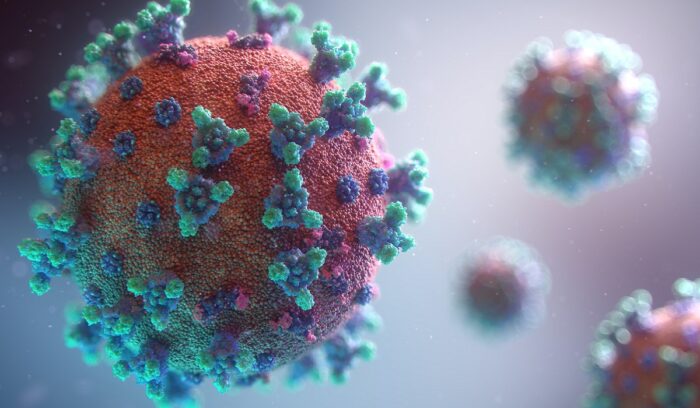
Nearly seven million deaths from COVID-19 have been reported to WHO, However, for more than a year the pandemic has been on a downward trend, allowing many around the world to largely return to relatively normality.

Over the past decade, rubella cases have decreased dramatically in the Western Pacific Region, as millions of babies and young children have been reached with vaccines.
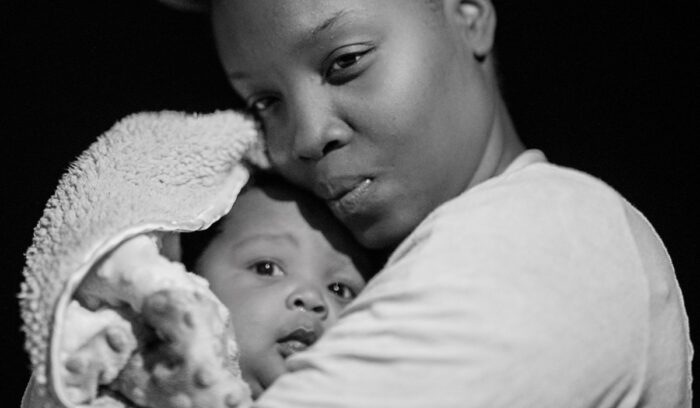
The country was previously classified as a “high burden” country, which is defined as more than two percent of women living with HIV.

Forty countries now have best-practice trans fat elimination policies in effect, protecting 1.4 billion people from this deadly food compound, according to new WHO report.
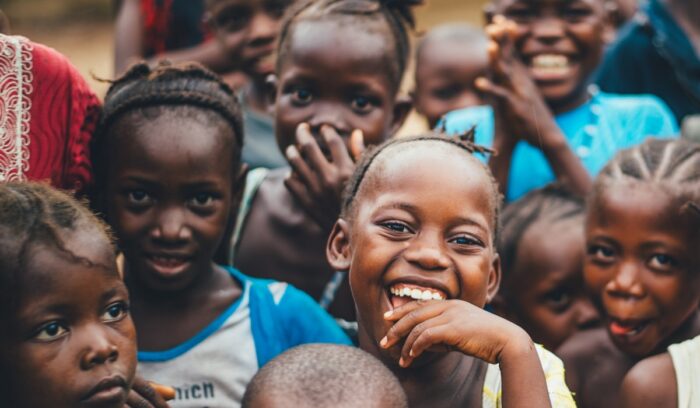
The vaccine – called RTS,S and developed by PATH and GlaxoSmithKline – was proven effective in 2015. Now, after the success of pilot immunization programs in Ghana, Kenya, and Malawi, the World Health Organization says the vaccine should be rolled out across sub-Saharan Africa and in other regions with moderate to high malaria transmission. Having a safe, effective vaccine for one of the world’s deadly diseases – after more than a century of trying – is a historic milestone for medicine and public health.

China has become the 40th country to be declared malaria-free. It has not had an indigenous case for four years.

Cannabis is no longer classified as a Schedule IV drug as per WHO’s recommendation. The declassification opens up the door for more research into its medicinal and therapeutic uses.
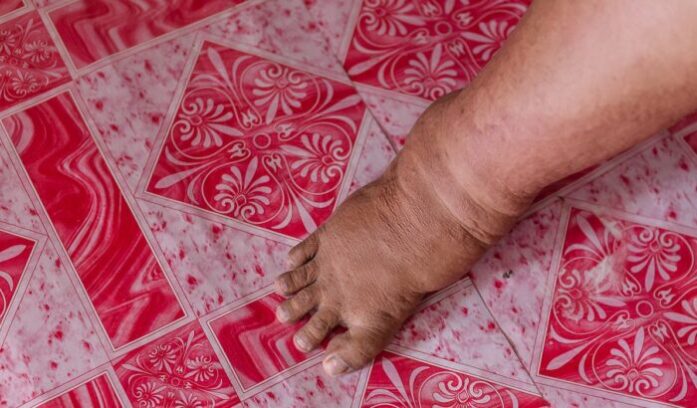
Over the last 20 years, however, the number of people infected has dropped by 74%, from 199 million to 51.4 million, and last year three countries—Malawi, Kiribati, and Yemen—eliminated it altogether.
The strategy involves vaccinating 90% of girls by the age of 15, screening 70% of women by the age of 35 and again by the age of 45, and treating 90% of women identified with cervical disease.