
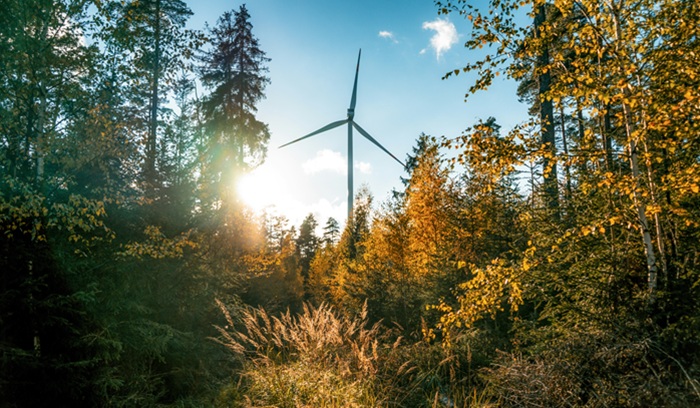
The European Union has reached a monumental tipping point in its energy transition. For the first time in history, wind and solar power combined have generated more electricity than fossil fuels across the bloc for a full calendar year. A comprehensive report from the energy think tank Ember confirms that in 2025, renewable sources generated 30 percent of the EU’s electricity, narrowly but decisively surpassing the 29 percent generated by coal and gas.
This achievement signals a permanent structural shift in Europe’s power system. It demonstrates that the deployment of clean technology is successfully displacing traditional carbon-intensive sources, even in years with challenging weather conditions. The data proves that the green transition is robust.
Coal Hits Historic Low Despite Gas Rise
The rise of renewables has pushed coal power to the margins of the European grid. In 2025, coal generation fell to a new historic low of just 9.2% of the EU’s electricity mix. In 19 member states, coal now accounts for less than 5% of power generation, signaling the approaching end of the coal era across the continent.
However, the transition faced headwinds. Unlike previous years, gas generation actually rose by 8% in 2025. This increase was necessary to compensate for a 12% drop in hydropower and a slight dip in wind generation due to unusual weather patterns. Despite this fluctuation, the overall trend of renewables outpacing fossil fuels held firm, driven largely by a massive surge in solar output.
Solar Power Breaks Records
The driving force behind this year’s success was solar energy. Solar generation grew by an astounding 20% in 2025, reaching a record 369 terawatt-hours (TWh). This growth allowed solar to generate 13% of the EU’s total electricity, surpassing both coal and hydro for the first time.
This surge was critical in offsetting the dip in wind and hydro performance. It highlights the importance of a diversified renewable portfolio. As solar capacity continues to expand at this rate, it provides a reliable buffer that ensures the transition continues even when other renewable sources face variability. You can find detailed data on this shift from Ember’s European Electricity Review.
Strengthening Energy Security
The milestone reinforces the EU’s long-term energy security strategy. While the reliance on gas increased temporarily in 2025, the structural dominance of wind and solar is insulating European consumers from the worst effects of global fossil fuel volatility. By generating 30% of power domestically from wind and sun, the EU is reducing its fundamental dependence on imported fuels.
The report also highlights a surge in battery storage deployment, which is beginning to play a key role in meeting peak demand. This technology is essential for reducing gas use in the future, as it allows clean energy to be stored and used when the sun isn’t shining or the wind isn’t blowing. The International Energy Agency (IEA) tracks how these technologies are reshaping global energy security.
A Model for the Global Transition
Europe’s success serves as a powerful model for other major economies. It demonstrates that it is possible to run a modern, industrial grid where variable renewable energy is the dominant source. The fact that wind and solar overtook fossil fuels in 14 of the 27 EU countries proves this is a region-wide transformation, not just a success for a few wealthy nations.
This progress validates the argument that the era of fossil fuel dominance is ending. The momentum in Europe is a hopeful sign that the global climate goals of the Paris Agreement remain within reach. SolarPower Europe provides industry insights on the continued growth of solar capacity.
Resources
- Ember on European Electricity Review
- European Commission on REPowerEU Strategy
- International Energy Agency (IEA) on Renewable Market Update
- SolarPower Europe on Solar Industry Growth
More Good News
-
Wind and solar supply more power than fossil fuels in Europe for first time ever
In a landmark achievement for the energy transition, wind and solar power have generated more electricity than fossil fuels in the European Union for the first time over a full year. According to the 2026 Ember report, renewables accounted for 30% of the EU’s electricity in 2025, surpassing the 29% from coal and gas. While gas use rose slightly due to weather conditions, a 20% surge in solar generation and a historic low for coal (9.2%) secured this major victory for clean energy.
-

Malaysia to put over 1,000 electric buses on the road by 2030
Malaysia has kicked off a major initiative to modernize its public transport system by replacing diesel buses with electric vehicles. The government’s strategic plan targets the deployment of 1,100 electric buses by 2030, starting with an initial pilot phase to test operations. This move is designed to drastically reduce urban air pollution and noise while boosting the local green technology sector. By prioritizing zero-emission public transit, Malaysia is taking a decisive step toward its goal of carbon neutrality by 2050.
-

More than $6 billion in medical debt erased in North Carolina in 2025
In a historic move for economic justice, North Carolina has erased over 6.5 billion dollars in medical debt over the course of 2025, benefiting nearly 2.5 million residents. Governor Josh Stein announced the relief, which was achieved through a partnership with 60 hospitals that agreed to forgive old debt in exchange for higher Medicaid reimbursement rates. This massive initiative removes financial barriers to care, helps families repair their credit scores, and serves as a powerful national model for leveraging state policy to solve the medical debt crisis.
-

American scientists fully reverse Alzheimer’s in mice
Researchers from Case Western Reserve University and the Cleveland VA Medical Center have successfully reversed Alzheimer’s symptoms in mice using a compound called P7C3-A20. This experimental drug works by protecting brain cells from death and repairing the blood-brain barrier. In the study, treated mice regained their memory and ability to navigate mazes, performing as well as healthy mice. This neuroprotective approach offers a promising new direction for treating human neurodegenerative diseases with a daily pill.
-

South Korea ends breeding of bears and extraction of their bile
South Korea has passed a landmark law to ban bear bile farming, bringing an end to an industry established in the 1980s. The legislation prohibits the breeding and slaughter of bears for their bile, with a full phase-out mandated by January 1, 2026. The government has committed to building sanctuaries to house the approximately 300 remaining bears and will provide compensation to farmers. This collaborative victory, driven by the Ministry of Environment and animal welfare groups, marks a major win for global animal rights.