
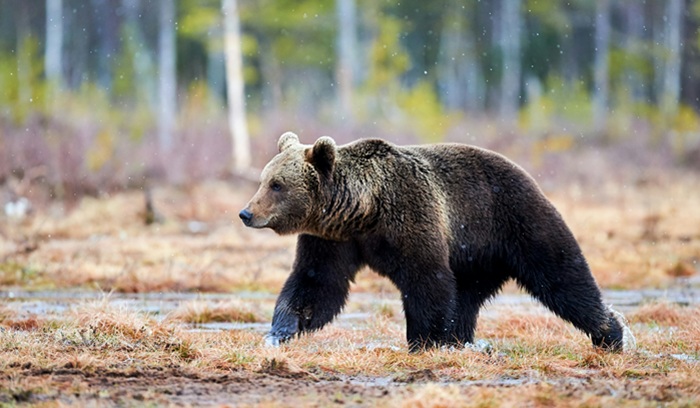
South Korea has achieved a monumental victory for animal welfare by passing legislation to ban bear bile farming. The National Assembly voted to prohibit the breeding and slaughter of bears for the consumption of their bile. This historic decision marks the definitive end of an industrial practice that began in the country in 1981.
While the use of bear bile in traditional medicine dates back centuries, the specific industry of farming these animals was government-sanctioned only four decades ago. The new law reverses this policy, affirming the nation’s evolving ethical standards. This legislative success provides a future of freedom for hundreds of animals currently held in captivity.
Ending a Cycle of Confinement
The legislation explicitly bans the extraction of bile and the slaughter of bears for this purpose. It formally illegalizes the possession, breeding, and meat processing of these animals, closing all legal loopholes. This move dismantles the framework that allowed bears to be kept in small, barren cages for their entire lives.
The ban addresses the suffering of the Asiatic black bear, also known as the moon bear. These animals have historically been farmed to supply ingredients for traditional medicine. The law ensures that this cycle of suffering is broken permanently.
A Structured Phase-Out by 2026
The legislation sets a strict deadline, mandating that the industry must completely cease operations by January 1, 2026. Currently, there are approximately 300 bears remaining on farms across the country. This figure represents a significant drop from the more than 1,400 bears held in captivity in the mid-2000s.
The transition period allows for the orderly closure of the remaining farms. It ensures that the ban is implemented systematically rather than abruptly. This timeline provides clarity for farmers and welfare groups alike. The World Animal Protection organization has campaigned for this timeline to ensure the safe transfer of animals.
Sanctuaries and Lifelong Care
A crucial component of the plan is the construction of state-run sanctuaries to house the surviving bears. The government has committed to building two major facilities in Gurye and Seocheon to provide lifelong care. These sanctuaries will allow the animals to move from cages to semi-wild environments where they can roam and express natural behaviors.
The government is investing significant public funds to build and maintain these shelters. This commitment ensures that the rescued bears will not be euthanized but will live out their remaining years in dignity. The Humane Society International highlights the importance of sanctuary capacity in successful industry bans.
Collaboration and Compensation
This success is the result of a collaborative agreement between the Ministry of Environment, bear farmers, and animal protection organizations. The government agreed to provide financial compensation and incentives to farmers who voluntarily exit the industry before the deadline. This cooperative approach prevented prolonged legal battles and ensured a smoother transition for all parties.
By addressing the economic concerns of the farmers, the government secured the necessary political support to pass the bill. This strategy of stakeholder engagement serves as a model for resolving complex animal welfare issues. It demonstrates that progress can be achieved through dialogue and fair transition support.
International Significance
South Korea’s decision sends a powerful message to other nations in Asia where bear bile farming persists. It demonstrates that cultural practices can evolve to align with modern animal welfare standards. The move has been applauded by global organizations as a major step forward for ethical wildlife management.
This victory strengthens the global momentum to end the trade in bear parts. It protects the reputation of South Korea as a modern, compassionate nation. The legacy of this law will be the restoration of respect for these iconic animals. Animals Asia tracks the progress of similar movements across the continent. Furthermore, the Korean Ministry of Environment provides official updates on the implementation of the policy.
Resources
- World Animal Protection on Bear Bile Campaigns
- Humane Society International on Sanctuary Projects
- Animals Asia on Ending the Trade
- Korean Ministry of Environment on Wildlife Protection Policy
More Good News
-

Kazakhstan restores ancient forests to prepare for tiger reintroduction
Kazakhstan is achieving a historic ecological victory by restoring ancient tugay forests to support a landmark tiger reintroduction project. As first reported by Live Science, the government has already planted 37,000 trees in the Ile-Balkhash region to rebuild the habitat needed for the predators to thrive after a 70-year absence. While experts maintain a measured outlook regarding water levels and prey availability, the arrival of the first resident tigers, Bodhana and Kuma, signals a new era of restoration. This massive project proves that humanity can physically repair degraded landscapes and secure a wilder, more resilient future.
-

Denmark becomes first E.U. nation to end mother-to-child transmission of HIV and syphilis
Denmark has achieved a historic public health milestone by becoming the first country in the European Union to officially eliminate mother-to-child transmission of HIV and syphilis. Originally reported by the World Health Organization, this victory is the result of a decades-long commitment to free, universal prenatal screening and integrated treatment for all pregnant women. While health officials maintain a measured outlook on the need for continued vigilance, this achievement proves that a dedicated, equitable health system can effectively protect the next generation and serve as a global model for disease prevention.
-

19 global cities achieve ‘remarkable reductions’ in air pollution since 2010
Nineteen global cities, ranging from London to Beijing, have achieved remarkable air pollution reductions of 30 percent since 2010. As documented in a new analysis from the C40 Cities network and first reported by The Guardian, this progress is the result of aggressive local policies like ultra-low emission zones and the phasing out of coal-fired heating. While the study shows a significant improvement in urban air quality for 190 million people, local leaders maintain a measured outlook regarding the work still needed in industrial neighborhoods. This achievement serves as a vital blueprint for how intentional, data-driven policy can transform the…
-
U.S. West Coast groundfish fishery completes historic comeback after 25 years
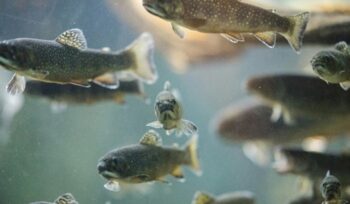
The West Coast groundfish industry has achieved a monumental recovery 25 years after being declared a federal disaster. Originally reported by Mongabay, the fishery reached a historic milestone in late 2025 when the yelloweye rockfish was declared fully rebuilt, 60 years ahead of schedule. By utilizing catch shares and innovative “light-touch” gear, scientists and fishers successfully restored 10 overfished species to healthy levels. While high monitoring costs remain a challenge, this measured victory serves as a global model for how science-based management can revive both marine ecosystems and coastal livelihoods.
-

Britain ends 700 years of birthright rule in Parliament for hereditary peers
Britain is taking a massive step toward a modern democracy by removing the final 92 hereditary peers from its parliament. Originally reported by PBS NewsHour, this reform ends 700 years of birthright rule, ensuring that political power is no longer an inherited family heirloom. While the move is a significant victory for fairness and accountability, the government maintains a measured pace as it explores further constitutional changes. This transition proves that even the oldest institutions can adapt to serve a modern, more equitable society, establishing a new global standard for merit-based governance.