
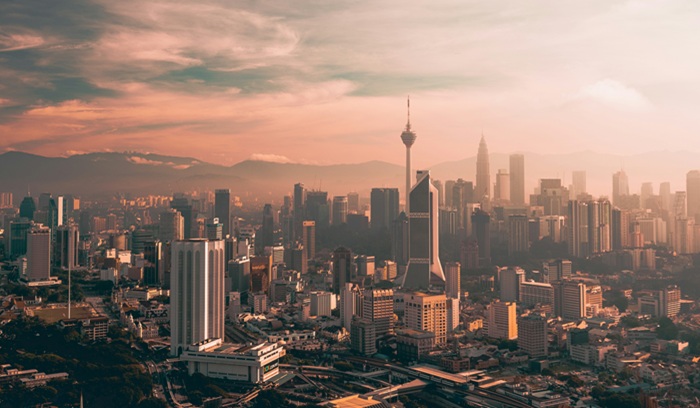
Malaysia has officially launched the initial phase of a major public transport overhaul aimed at reducing urban pollution and carbon emissions. The government announced a strategic plan to replace its aging diesel bus fleet with modern electric buses. This initiative targets the deployment of 1,100 electric units by 2030, marking a significant commitment to sustainable urban mobility.
This transition is a critical component of the nation’s broader environmental strategy. It demonstrates a clear intent to modernize public infrastructure while tackling climate change. The move is expected to significantly improve air quality in major cities like Kuala Lumpur.
A Phased Approach for Sustainable Growth
The project is structured in phases to ensure successful implementation and infrastructure readiness. The initial phase focuses on deploying pilot units to test operational efficiency and charging logistics. This data-driven approach allows the government to refine its strategy before scaling up to mass deployment.
By gradually introducing the new fleet, Malaysia can build the necessary supporting infrastructure, such as charging stations and maintenance depots. This careful planning reduces the risk of service disruptions. It ensures that the transition is both economically and operationally sustainable. The Malaysia Automotive, Robotics and IoT Institute (MARii) is a key player in developing the technology roadmap for this shift.
Reducing Emissions and Noise Pollution
The switch to electric buses will have an immediate positive impact on the environment. Diesel buses are significant contributors to urban air pollution, releasing harmful particulate matter and nitrogen oxides. Replacing 1,100 of these vehicles with zero-emission alternatives will drastically cut the sector’s carbon footprint.
Beyond air quality, electric buses offer a much quieter ride, reducing noise pollution in dense urban areas. This improvement enhances the overall quality of life for residents living near major transport routes. It creates a more pleasant and healthy city environment for everyone. The International Council on Clean Transportation (ICCT) provides data on the health benefits of soot-free transport in the region.
Boosting the Green Economy
This initiative is also an economic stimulus for Malaysia’s green technology sector. The government is encouraging local assembly and manufacturing of electric bus components. This policy aims to create high-skilled jobs in engineering, manufacturing, and maintenance.
By fostering a domestic electric vehicle (EV) industry, Malaysia is positioning itself as a regional hub for green technology. This investment attracts foreign partnerships and strengthens the local supply chain. It proves that environmental policy can drive industrial growth. The Malaysian Investment Development Authority (MIDA) outlines incentives for green technology investments.
Aligning with National Climate Goals
The electric bus program aligns perfectly with Malaysia’s national commitment to become carbon neutral by 2050. It serves as a tangible demonstration of the government’s Low Carbon Mobility Blueprint. This roadmap prioritizes the electrification of public transport as a key lever for decarbonization.
The success of this project will provide a model for other municipalities across the country. It encourages private transport operators to follow suit and invest in cleaner fleets. This collective effort accelerates the nation’s journey toward a sustainable future. The Ministry of Transport Malaysia provides policy updates on the national transport strategy.
Resources
- Malaysia Automotive, Robotics and IoT Institute (MARii) on Technology Roadmap
- International Council on Clean Transportation (ICCT) on Soot-Free Transport
- Malaysian Investment Development Authority (MIDA) on Green Tech Investment
- Ministry of Transport Malaysia on National Strategy
More Good News
-
Wind and solar supply more power than fossil fuels in Europe for first time ever
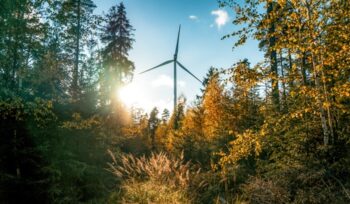
In a landmark achievement for the energy transition, wind and solar power have generated more electricity than fossil fuels in the European Union for the first time over a full year. According to the 2026 Ember report, renewables accounted for 30% of the EU’s electricity in 2025, surpassing the 29% from coal and gas. While gas use rose slightly due to weather conditions, a 20% surge in solar generation and a historic low for coal (9.2%) secured this major victory for clean energy.
-
Malaysia to put over 1,000 electric buses on the road by 2030
Malaysia has kicked off a major initiative to modernize its public transport system by replacing diesel buses with electric vehicles. The government’s strategic plan targets the deployment of 1,100 electric buses by 2030, starting with an initial pilot phase to test operations. This move is designed to drastically reduce urban air pollution and noise while boosting the local green technology sector. By prioritizing zero-emission public transit, Malaysia is taking a decisive step toward its goal of carbon neutrality by 2050.
-

More than $6 billion in medical debt erased in North Carolina in 2025
In a historic move for economic justice, North Carolina has erased over 6.5 billion dollars in medical debt over the course of 2025, benefiting nearly 2.5 million residents. Governor Josh Stein announced the relief, which was achieved through a partnership with 60 hospitals that agreed to forgive old debt in exchange for higher Medicaid reimbursement rates. This massive initiative removes financial barriers to care, helps families repair their credit scores, and serves as a powerful national model for leveraging state policy to solve the medical debt crisis.
-
American scientists fully reverse Alzheimer’s in mice
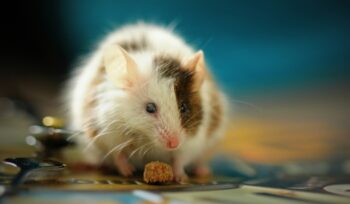
Researchers from Case Western Reserve University and the Cleveland VA Medical Center have successfully reversed Alzheimer’s symptoms in mice using a compound called P7C3-A20. This experimental drug works by protecting brain cells from death and repairing the blood-brain barrier. In the study, treated mice regained their memory and ability to navigate mazes, performing as well as healthy mice. This neuroprotective approach offers a promising new direction for treating human neurodegenerative diseases with a daily pill.
-

South Korea ends breeding of bears and extraction of their bile
South Korea has passed a landmark law to ban bear bile farming, bringing an end to an industry established in the 1980s. The legislation prohibits the breeding and slaughter of bears for their bile, with a full phase-out mandated by January 1, 2026. The government has committed to building sanctuaries to house the approximately 300 remaining bears and will provide compensation to farmers. This collaborative victory, driven by the Ministry of Environment and animal welfare groups, marks a major win for global animal rights.