

The giant panda, a global symbol of wildlife conservation, has officially been downgraded from “endangered” to “vulnerable” on the IUCN Red List. This monumental shift in status confirms that decades of intensive protection efforts by the Chinese government and international partners have succeeded. The population of wild giant pandas has rebounded significantly, moving away from the brink of extinction. This achievement is a powerful validation of long-term investment in habitat protection and anti-poaching measures.
The recovery of such a specialized and iconic species proves that even the most difficult conservation challenges can be overcome. It demonstrates that political will, combined with scientific management, can reverse biodiversity loss.
A Population on the Rise
The downgrade is driven by a steady increase in the wild panda population. The latest national survey recorded 1,864 giant pandas living in the wild in China. This represents a 17 percent increase over the previous decade. When including cubs, the total population is estimated to be over 2,000 individuals.
This growth trend is a direct result of expanding protected areas and connecting fragmented habitats. By ensuring that pandas can move between reserves to find mates and food, conservationists have strengthened the genetic health of the population. This resilience is key to their long-term survival. The World Wildlife Fund tracks these population trends closely.
Restoring the Bamboo Forests
The recovery of the panda is intrinsically linked to the restoration of its habitat. Giant pandas rely almost exclusively on bamboo for their diet, making them highly sensitive to environmental changes. The Chinese government has implemented massive reforestation programs to increase bamboo coverage. These efforts have successfully reversed the habitat loss that threatened the species in the 20th century.
Protecting these bamboo forests benefits more than just pandas. It safeguards a unique ecosystem that supports countless other species, including the golden snub-nosed monkey and the takin. The panda serves as an umbrella species, meaning its protection covers a wide range of biodiversity. The Smithsonian National Zoo provides educational resources on panda ecology.
The Success of Captive Breeding
While habitat protection was paramount, captive breeding programs also played a crucial role. China established specialized breeding centers to study panda reproduction and increase their numbers. These centers successfully solved the challenges of breeding pandas in captivity, resulting in a baby boom of healthy cubs.
The ultimate goal of these programs is to reintroduce pandas into the wild to boost genetic diversity. Successful reintroductions have already occurred, proving that captive-born pandas can adapt to their natural environment. This integration of ex-situ and in-situ conservation is a model for other species recovery plans. The Chengdu Research Base of Giant Panda Breeding is a leader in this field.
A Legacy of Global Cooperation
The giant panda’s recovery is a victory for international cooperation. Collaborative research between China and zoos around the world accelerated the understanding of panda biology. This exchange of knowledge and resources was essential for developing effective conservation strategies. It shows that shared environmental goals can transcend political boundaries.
This success offers hope for the thousands of other species currently facing extinction. It confirms that dedicated, science-based action yields tangible results. The giant panda is no longer just a symbol of fragility; it is now a symbol of resilience and recovery. The IUCN Red List provides the official data on the species’ changing status.
Resources
- World Wildlife Fund on Panda Population Growth
- Smithsonian National Zoo on Panda Ecology
- Chengdu Research Base on Breeding Programs
- International Union for Conservation of Nature (IUCN) on Red List Status
More Good News
-

19 global cities achieve ‘remarkable reductions’ in air pollution since 2010
Nineteen global cities, ranging from London to Beijing, have achieved remarkable air pollution reductions of 30 percent since 2010. As documented in a new analysis from the C40 Cities network and first reported by The Guardian, this progress is the result of aggressive local policies like ultra-low emission zones and the phasing out of coal-fired heating. While the study shows a significant improvement in urban air quality for 190 million people, local leaders maintain a measured outlook regarding the work still needed in industrial neighborhoods. This achievement serves as a vital blueprint for how intentional, data-driven policy can transform the…
-
U.S. West Coast groundfish fishery completes historic comeback after 25 years
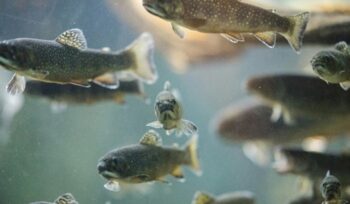
The West Coast groundfish industry has achieved a monumental recovery 25 years after being declared a federal disaster. Originally reported by Mongabay, the fishery reached a historic milestone in late 2025 when the yelloweye rockfish was declared fully rebuilt, 60 years ahead of schedule. By utilizing catch shares and innovative “light-touch” gear, scientists and fishers successfully restored 10 overfished species to healthy levels. While high monitoring costs remain a challenge, this measured victory serves as a global model for how science-based management can revive both marine ecosystems and coastal livelihoods.
-

Britain ends 700 years of birthright rule in Parliament for hereditary peers
Britain is taking a massive step toward a modern democracy by removing the final 92 hereditary peers from its parliament. Originally reported by PBS NewsHour, this reform ends 700 years of birthright rule, ensuring that political power is no longer an inherited family heirloom. While the move is a significant victory for fairness and accountability, the government maintains a measured pace as it explores further constitutional changes. This transition proves that even the oldest institutions can adapt to serve a modern, more equitable society, establishing a new global standard for merit-based governance.
-

Endangered Persian leopard mounts comeback in the mountains of Turkmenistan
The Persian leopard comeback is gaining momentum in Central Asia, with new reports estimating between 60 and 80 individuals now living in Turkmenistan. As first reported by Good News Network, an expanded camera trap survey has recorded three breeding females in the Uly-Balkan Range, proving that the endangered species is successfully recolonizing its historic territory. This measured victory is the result of high-tech SMART patrolling and international cooperation through the CITES treaty. By restoring prey populations and protecting migration corridors, the nation is building a resilient ecosystem that secures a dignified future for both wildlife and local communities.
-

Japan approves world’s first Parkinson’s stem cell treatment to restore brain function
Japan has officially approved the world’s first Parkinson’s stem cell treatment to restore dopamine production in the human brain. Originally reported by France 24, the therapy involves transplanting lab-grown neurons into patients who no longer respond to traditional medication. While the initial trial only involved seven participants, four individuals showed significant motor improvements over a two-year period. This landmark shift toward regenerative medicine offers a path to physical independence for millions. It represents a profound victory for scientific persistence and a hopeful sign that humanity can finally repair the biological damage caused by aging.