

A single port in East Africa is now forcing the world’s largest shipping companies to pay for the pollution they leave behind in local waters. The Djibouti sovereign carbon tax captures revenue from massive commercial vessels to fund immediate environmental protection. This strategy creates a reliable stream of income for a nation facing extreme weather challenges.
- The tax applies a $17 fee per ton of carbon dioxide equivalent on visiting commercial ships.
- The local sovereign fund already supports 84 environmental and community development projects.
- This model replaces unpredictable international aid with a steady and self-reliant revenue stream.
This policy changes the way developing nations handle environmental damage from global trade. The government sends the collected money directly into green projects. These efforts protect nomadic herders who struggle with long droughts and changing weather patterns.
Empowering local communities through the Djibouti sovereign carbon tax
Authorities manage these funds at the local level to ensure the money reaches those in need quickly. This approach uses community knowledge to make sure every dollar helps. It ensures that families most affected by a warming planet get the support they deserve.
Local groups use the sovereign funds to build solar-powered desalination units. These machines provide clean drinking water to dry inland areas. Money also goes toward planting mangrove forests and starting large plastic collection programs.
By taking this action, the country shows that small nations can hold global companies accountable. The $17 fee applies to exactly 50 percent of the emissions from each voyage. This clear system makes sure shipping lines take responsibility for the air they pollute.
Turning international shipping pollution into clean water
Independent groups audit the carbon data to keep the system honest and transparent. This provides a major economic lift for a country with about one million people. Many experts tracking international shipping pollution believe this is a major step toward global fairness.
This initiative serves as a successful model for other African nations. Gabon recently started its own version of this tax to fund national sustainable development goals. Other countries like Guinea and Madagascar are looking into similar carbon registries right now.
Scaling these programs could help nations across the continent raise billions of dollars every year. You can read more about the original report on the carbon levy to see how it started. By pricing pollution, these nations are taking control of their own future.
Inspiring a continental movement for environmental accountability
The government uses the Africa Sovereign Carbon Registry to track every ton of carbon avoided. This public data helps build trust with international partners and investors. It allows the country to prove that its local projects actually work.
Many environmental groups study these shifts to see how local laws can change global industries. The shipping world is hard to regulate, but this local tax bypasses long international delays. It shows that local goals and global climate needs can work together.
Investors and environmental scientists can now see exactly how their contributions improve the local environment. Further insights into modern maritime carbon costs show how the shipping industry is beginning to adapt. This level of detail encourages more companies to follow the new rules.
Verifying data through the Africa Sovereign Carbon Registry
Families are seeing their lands recover as new projects take root. These restorations cost nothing for the locals because the polluters pay the bill. This gives nomadic families a much better chance to survive and thrive.
The new income allows the nation to build long-term safety for its people. This protects citizens from health and storms using a smart financial plan. Ultimately, this policy shifts the focus toward leadership and independence.
More Good News
-

Djibouti pioneers sovereign carbon tax to unlock millions for local climate resilience
The Djibouti sovereign carbon tax forces visiting commercial ships to pay $17 per ton of carbon dioxide emitted during their voyage. This system creates a reliable fund that pays for 84 local projects, including solar-powered water units and mangrove restoration. By turning international shipping pollution into community resources, the country is protecting nomadic herders from severe regional droughts. This shift from foreign aid to self-generated wealth demonstrates a major step toward global equity. It proves that local leadership can drive massive social change and ensure humanity protects its most vulnerable members.
-

Stanford researchers cure type-1 diabetes in mice with new treatment
Medical researchers at Stanford University have achieved a monumental breakthrough by successfully curing Type 1 diabetes in preclinical animal trials. The innovative treatment utilizes a combination of blood stem cells and insulin-producing islet cells to create a hybrid immune system within the recipient. This reset prevents the body from attacking its own tissues and eliminates the need for lifelong immunosuppressive drugs. With a flawless success rate in reversing the disease in test subjects, this highly translatable procedure offers immense hope for the future of autoimmune disease treatment and human organ transplantation.
-

Giant tortoises return to Galápagos island after 180 years
For the first time in 180 years, giant tortoises are once again roaming Floreana Island in the Galápagos. The native species was hunted to extinction in the mid-nineteenth century, but scientists recently discovered descendants living on a neighboring island. Following a highly successful, decade-long captive breeding program, conservationists and local park rangers have officially released 158 juvenile tortoises back into their ancestral homeland. As vital ecosystem engineers, these young tortoises will disperse seeds and restore habitats, marking a monumental first step in a broader project to revive the island’s natural biodiversity.
-

Croatia declared free of landmines after 31 years
After more than three decades of meticulous and dangerous work, Croatia has officially been declared free of landmines. Stemming from the 1990s Homeland War, the clearance operations resulted in the safe removal of nearly 107,000 landmines and over 407,000 pieces of unexploded ordnance. Supported heavily by European Union funding, the 1.2 billion euro effort successfully reclaimed vast areas of agricultural land, dense forests, and national parks. This monumental achievement fulfills the country’s obligations under the Ottawa Convention, ensuring a much safer future for its citizens and providing an inspiring blueprint for post-conflict recovery worldwide.
-
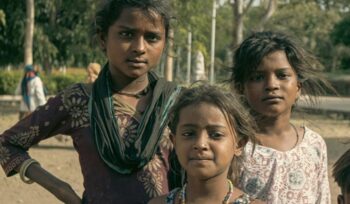
India set to launch free nationwide HPV vaccination for adolescent girls
The Indian government is rolling out a monumental public health initiative to provide free human papillomavirus vaccines to adolescent girls across the country. Targeting girls between the ages of nine and fourteen, the campaign aims to drastically reduce the incidence of cervical cancer. This massive undertaking is made possible by the introduction of Cervavac, an affordable, domestically produced vaccine developed by the Serum Institute of India. By integrating the vaccine into existing national immunization programs and utilizing schools as distribution hubs, India is taking a proactive step toward eliminating cervical cancer and securing a healthier future.