
Humans begin cultivating cinnamon for the first time, perhaps in modern-day Sri Lanka
Cinnamon is native to Sri Lanka and has been found in Ancient Egypt as early as 1500 B.C.E., suggesting early trade between Egypt and the island’s inhabitants.
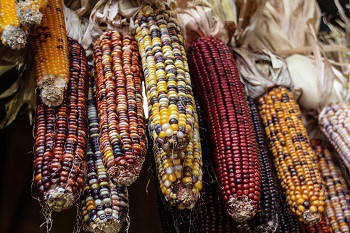
Cinnamon is native to Sri Lanka and has been found in Ancient Egypt as early as 1500 B.C.E., suggesting early trade between Egypt and the island’s inhabitants.
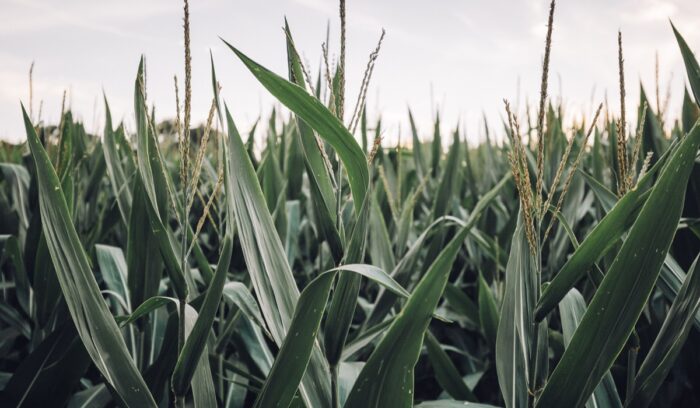
Maize, also known as corn, is a cereal grain first domesticated by indigenous peoples in southern Mexico about 10,000 years ago. Maize has become a staple food in many parts of the world, with total production surpassing that of wheat or rice.
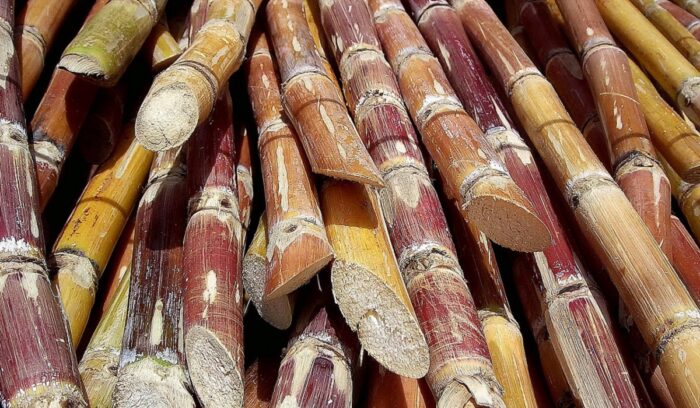
After domestication, its cultivation spread rapidly to Southeast Asia and southern China.

The oldest evidence for this is in the Kuk Swamp area, where planting, digging and staking of plants, and possibly drainage have been used to cultivate taro, banana, sago and yam.

Guitarrero Cave has evidence of human use around 8,000 B.C.E. In the 1960s, archeologists discovered artifacts in an extraordinary state of preservation at the site. Remarkably, textiles, wood and leather tools, and basketry have been preserved intact.

The area surrounding Iguazu Falls was inhabited 10,000 years ago by the hunter-gatherers of the Eldoradense culture.

The first bricks that we know about were being made in Jericho as long ago as 8000 B.C.E. The people there had discovered they could make simple bricks by leaving clay mud to dry in the sun.
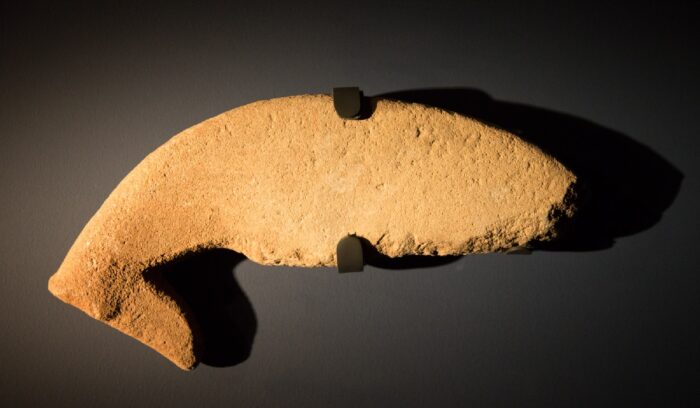
Al-Magar was a prehistoric culture of the Neolithic whose epicenter lied in modern-day southwestern Najd in Saudi Arabia. Al-Magar is possibly one of the first cultures in the world where widespread domestication of animals occurred.

The oldest known fishing net is the net of Antrea, found with other fishing equipment in the Karelian town of Antrea, Finland, in 1913. The net was made from willow, and dates back to 8300 B.C.E.
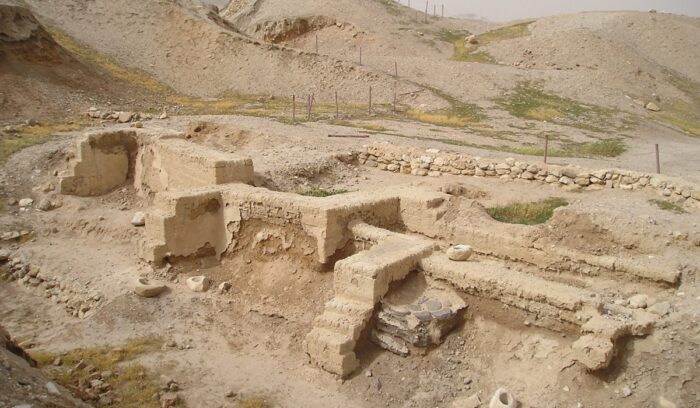
Jericho is one of the earliest continuous settlements in the world.