
The Cueva people form in modern-day Panama
The Cueva were an indigenous people who lived in the Darién region of eastern Panama.
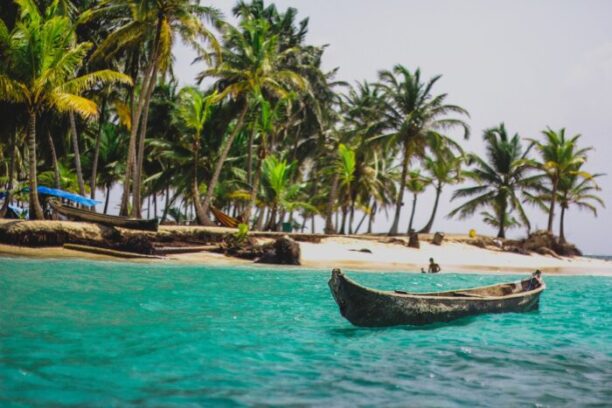
The Cueva were an indigenous people who lived in the Darién region of eastern Panama.
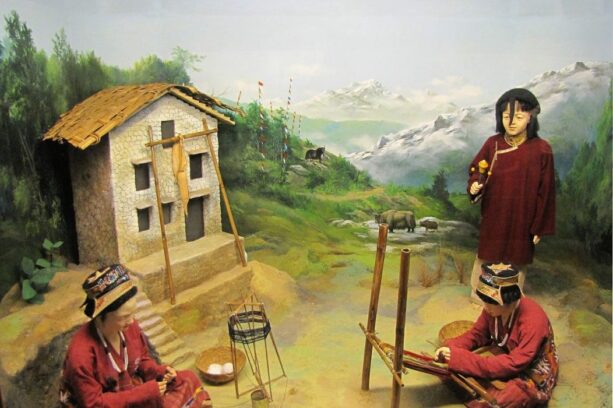
Earliest records about the area which the Monpas inhabit today indicate the existence of a kingdom known as Lhomon or Monyul which existed from 500 B.C to 600 C.E.

Kyiv, one of the oldest cities of Eastern Europe, played a pivotal role in the development of the medieval East Slavic civilization as well as in the modern Ukrainian nation.
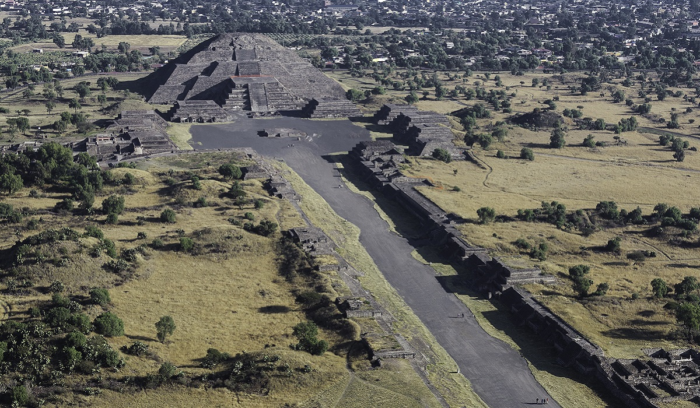
By 450 C.E., the city had perhaps 150,000 citizens and was the center of a powerful culture whose influence extended through much of the Mesoamerican region.
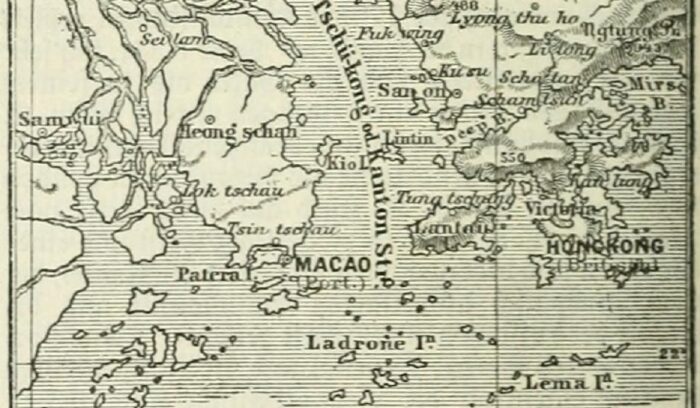
Since the 5th century, merchant ships travelling between Southeast Asia and Guangzhou used the region as a port for refuge, fresh water, and food.
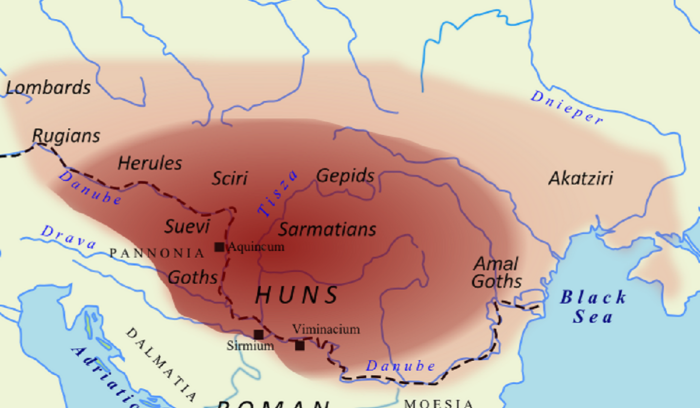
The Huns were a nomadic people who lived in Central Asia, the Caucasus, and Eastern Europe between the 4th and 6th century C.E. The Huns, especially under their King Attila, made frequent and devastating raids into the Eastern Roman Empire.
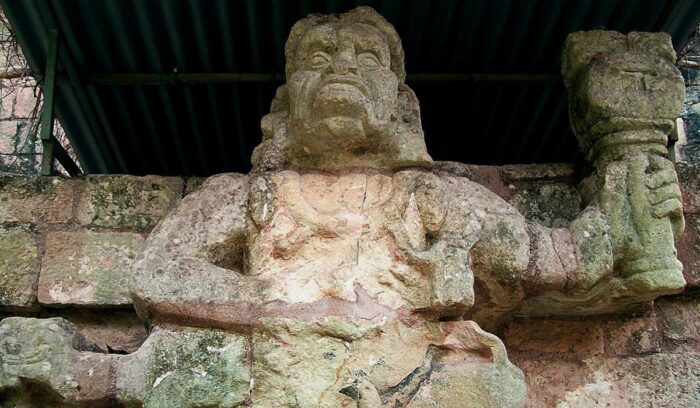
A farming settlement from as early as 1000 B.C.E., Copán emerged as a major centre around 250 C.E. The traditional named founder of Copán, K’inich Yax K’uk Mo’, reigned from 426 C.E. to c. 437 C.E.

Licchavi was an ancient kingdom on the Indian subcontinent, which existed in the Kathmandu Valley in modern-day Nepal from approximately 400 to 750 C.E.
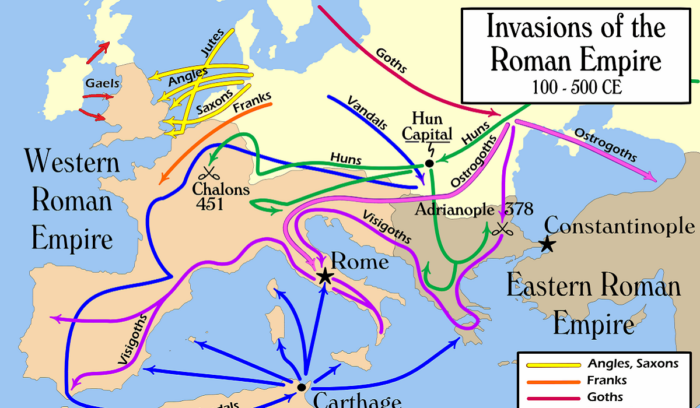
The Great Migration was a period during which there were widespread invasions of Germanic tribes and others within or into Europe, during and after the decline of the Western Roman Empire.

Tarumanagara or Taruma Kingdom is an early Sundanese Indianised kingdom, whose 5th-century ruler, Purnawarman, produced the earliest known inscriptions on Java island.