
The Maya civilization thrives in modern-day Belize
In the late classic period of the Maya civilization, it is estimated that between 400,000 and 1,000,000 people inhabited the area that is now Belize.
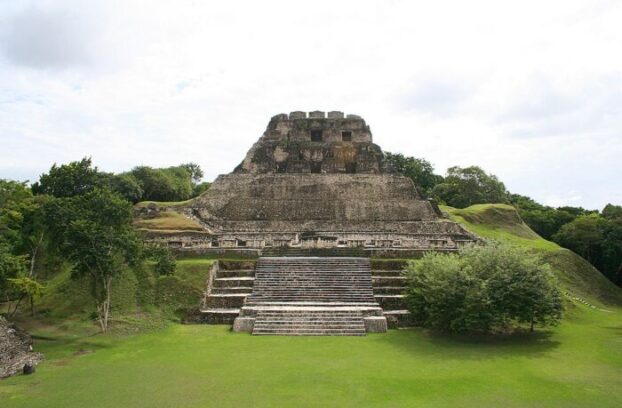
In the late classic period of the Maya civilization, it is estimated that between 400,000 and 1,000,000 people inhabited the area that is now Belize.
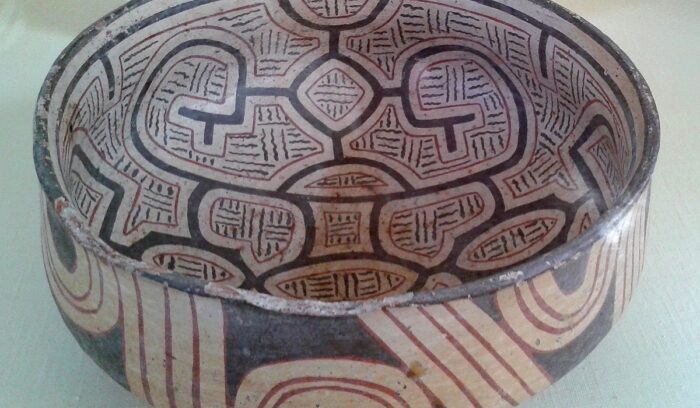
The Marajoara culture was a pre-Columbian era society that flourished at the mouth of the Amazon River likely between 800 C.E. and 1400 C.E.
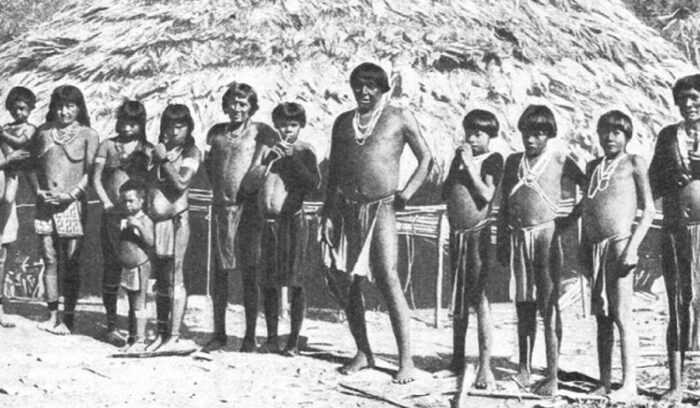
Around 800 CE, Arawak arrived, eventually settling throughout the island. Living in villages ruled by tribal chiefs called the caciques, they sustained themselves on fishing and the cultivation of maize and cassava. At the height of their civilization, their population is estimated to have numbered as much as 60,000.

The Heian period is considered the peak of the Japanese imperial court and noted for its art, especially poetry and literature.

The Oguz Yabgu State was a Turkic state, founded by Oghuz Turks in 766, located geographically in an area between the coasts of the Caspian and Aral Seas. Oguz tribes occupied a vast territory in Kazakhstan along the Irgiz, Yaik, Emba, and Uil rivers, the Aral Sea area, the Syr Darya valley, the foothills of the Karatau Mountains in Tien-Shan, and the Chui River valley.

After the fall of the Umayyads, the first Muslim dynasty, the victorious Abbasid rulers wanted their own capital from which they could rule. They chose a site north of the Sassanid capital of Ctesiphon and also just north of where ancient Babylon had once stood.

The Imamate is a 1,200 year old system of government pioneered by the Ibadi religious leaders of Oman, and was based upon the Islamic sharia.

The Abbasid Caliphate, which ruled most of the Muslim world from Baghdad in what is now Iraq, lasted from 750 to 1258 C.E.

Kaiyuan Za Bao, or Kaiyuan Chao Bao, Bulletin of the Court, was an official publication which first appeared in the 8th century, during the Kaiyuan era. It has been described as the first Chinese newspaper or official gazette, and also as the world’s first magazine.

Somapura Mahavihara in Bangladesh is among the best known Buddhist viharas in the Indian Subcontinent and is one of the most important archaeological sites in the country. It was designated as a UNESCO World Heritage Site in 1985.