
The First Geneva Convention is signed by 12 nations
The 1864 Geneva Convention was the world’s first codified international treaty that covered the sick and wounded soldiers on the battlefield.
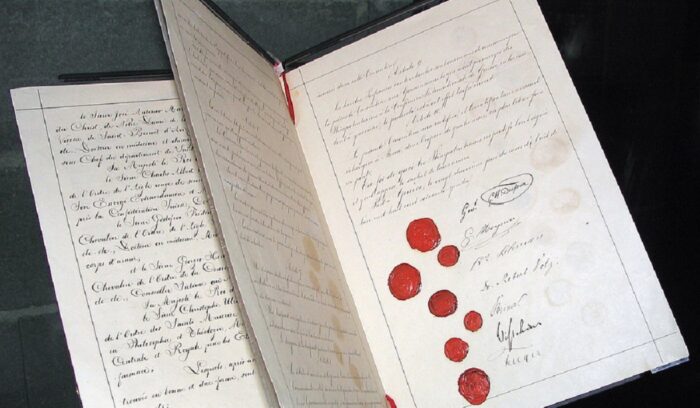
The 1864 Geneva Convention was the world’s first codified international treaty that covered the sick and wounded soldiers on the battlefield.

Pasteurization, invented by Louis Pasteur in 1864, kills harmful bacteria that tend to grow in dairy products, especially in the absence of refrigeration. At the time, the discovery was rather revolutionary; it allowed milk to be consumed less immediately and prevented many illnesses.

The world’s first underground railway, it opened in January 1863 between Paddington and Farringdon in London using gas-lit wooden carriages hauled by steam locomotives.

On September 22, soon after the Union victory at Antietam, he issued a preliminary Emancipation Proclamation, declaring that as of January 1, 1863, all slaves in the rebellious states shall be then, thenceforward, and forever free.
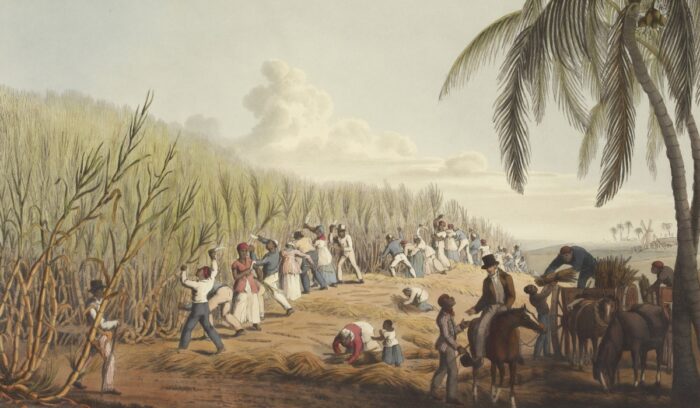
By this act, they repudiated the 1857 opinion of the Supreme Court of the United States in the Dred Scott Case that Congress was powerless to regulate slavery in U.S. territories.

The Emancipation Reform of 1861 in Russia was the first and most important of the liberal reforms enacted during the reign of Emperor Alexander II of Russia. he reform effectively abolished serfdom throughout the Russian Empire.
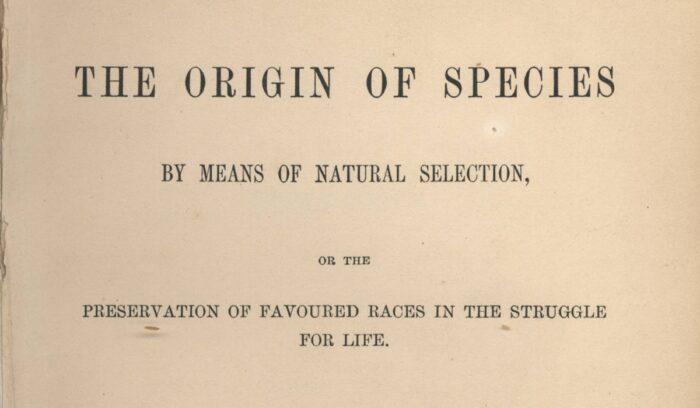
Darwin’s theory argued that organisms gradually evolve through a process he called natural selection.

Planté’s first model consisted of two lead sheets separated by rubber strips and rolled into a spiral. His batteries were first used to power the lights in train carriages while stopped at a station.
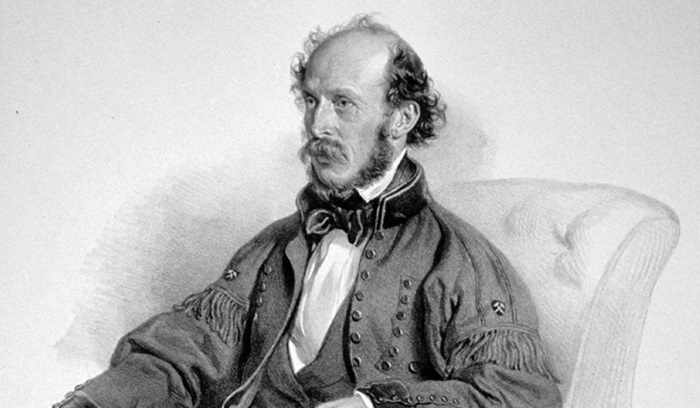
A heat pump is a device that uses electricity to transfer heat from a colder place to a warmer place. Air-source heat pumps are now among are most effective climate solutions. In 1856, Rittinger recognized the principle of the heat pump while conducting experiments on the use of water vapor’s latent heat for the evaporation of salt brine. As a result, the heat pump was used to dry salt in salt marshes in Austria.

The Act made New Zealand independent in domestic matters for all intents and purposes from its earliest days as a British colony.