Good News Links

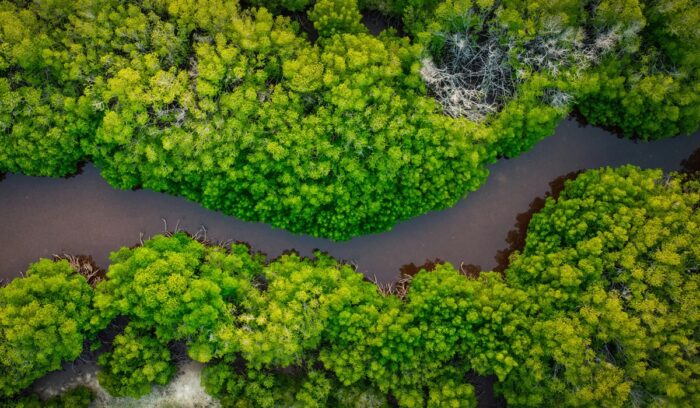
Aerial view of river and mangroves

Brazil boosts protection of Amazon mangroves with new reserves in Pará state

Brazil’s Pará state has now protected almost all of its Amazonian coastline after establishing two new conservation units that make up the world’s largest and most conserved belt of mangroves. The environmental victory came after President Luiz Inácio Lula da Silva signed the decree for the two reserves on March 21, placing an additional 184,600 acres of mangrove ecosystems under federal protection.

Mosquito on a leaf

New types of mosquito bed nets could cut malaria risk by up to half, trial finds

Nets treated with two types of insecticide rather than one were trialed in 17 African countries where malaria is endemic between 2019 and 2022. During clinical trials when a net was coated with the insecticides pyriproxyfen or chlorfenapyr, alongside pyrethroid, malaria transmissions were reduced by between 20% and 50%. More than 600,000 people died from malaria in 2022 and 249 million people were infected, according to the latest data from the World Health Organization.

Solar panels reflect sparkling light from the Sun

Japan “fossil fuel dinosaur” launches massive 20GW global renewables platform

Jera, Japan’s largest power company and one of the largest thermal power producers in the world, has announced the launch of a major new global renewables business, becoming the latest fossil giant to act on the existential threat of net zero to its business model. Based out of the U.K., the new company – called Jera Nex – will be tasked with delivering on Jera’s stated ambition to develop a massive 20GW of renewable capacity by 2035, enough to power millions of homes.

Inside Passage Landscape

British Columbia agrees to hand title of a million acres of land back to the Haida Nation

For centuries, the Haida people have known that the impenetrable forests and bountiful waters of Haida Gwaii – “the islands at the boundary of the world” – were both a life-giving force and their rightful home. Now, after decades of negotiation, the province of British Columbia has come to the same conclusion: the title over more than 200 islands off Canada’s west coast should rightfully be held by the Haida Nation.

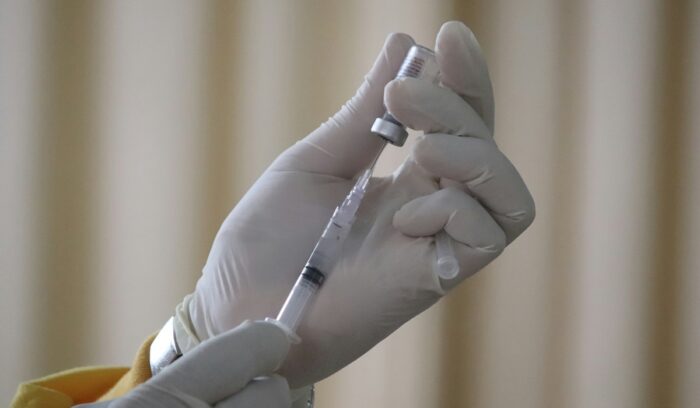
Person filling syringe with vaccine

Nigeria becomes world’s first country to introduce ‘revolutionary’ meningitis vaccine

Nigeria has become the first country to roll out a “revolutionary” five-in-one vaccine against meningitis, the World Health Organization has announced. The Men5CV vaccine offers a powerful shield against the five major strains of the meningococcal bacteria that cause the disease. Known by the brand name MenFive, it provides broader protection than the vaccine currently used in much of Africa.

Indigenous person from Kogui people of Colombia

New online tool is first to track funding to Indigenous, local, and Afro-descendant communities

The Path to Scale dashboard, developed in a partnership between the Rights and Resources Initiative (RRI) and the Rainforest Foundation Norway (RFN), provides information on funding from 133 donors since 2011 based on publicly available information. According to the developers, this publicly accessible dashboard will help donors, NGOs and rights holders identify critical funding gaps and opportunities in global efforts to secure communities’ rights.

Indian flag

India approves massive $9 billion rooftop solar plan

A massive subsidy program to help Indian households install rooftop solar panels in their homes and apartments aims to provide 30 gigawatt hours of solar power to the nation’s inventory. The scheme, called PM-Surya Ghar, will provide free electricity to 10 million homes according to estimates, and the designing of a national portal will streamline the process of installation and payment.

Water flowing from faucet

U.S. Environmental Protection Agency announces first-ever national regulations for “forever chemicals” in drinking water

Commonly called “forever chemicals,” PFAS are synthetic chemicals found nearly everywhere — in air, water, and soil — and can take thousands of years to break down in the environment.

The EPA has stated there is no safe level of exposure to PFAS without risk of health impacts, but now it will require that public water utilities test for six different types of PFAS chemicals to reduce exposure in drinking water. The new standards will reduce PFAS exposure for 100 million people, according to the EPA, and prevent thousands of deaths and illnesses.