Good News Links

Good news for LGBTQ rights

China awards visitation rights to gay mom in historic first

Since China abandoned its one-child policy in 2016 in the face of quickly declining birth rates, the courts are now inclined to protect the rights of children born outside the traditional heterosexual paradigm. Children born to unmarried couples and single and LGBTQ+ parents are experiencing a level of acceptance unknown in China in the past.

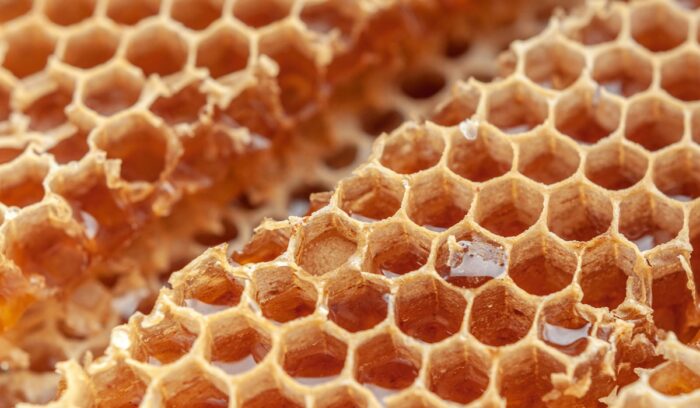
Honeycomb

Manuka honey reduces breast cancer cell growth by 84% in preliminary studies

Manuka honey is produced from the nectar collected by honey bees when they pollinate the mānuka, a species of tea tree indigenous to New Zealand and southeast Australia. Now, preliminary studies by researchers at UCLA have found that this nutraceutical might aid in breast cancer prevention and treatment. The honey-treated mice showed significantly suppressed tumor growth compared to controls. Overall, it inhibited the growth and progression of an established human breast cancer tumor by 84% without affecting healthy cells.

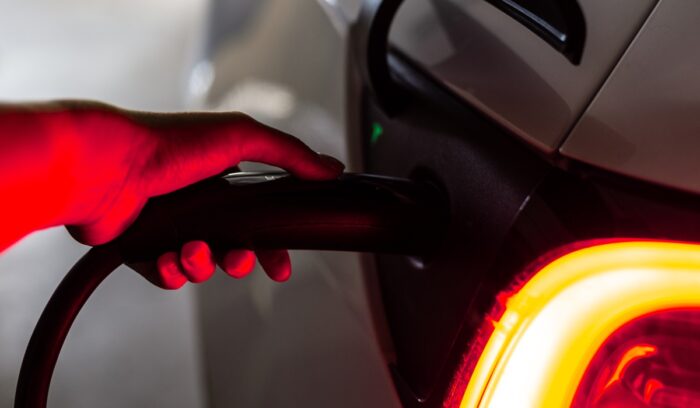
Charging an EV

Kenya to acquire 1,000 EVs per year for federal staff

The Kenyan government’s move to start buying electric vehicles could be good news for companies that are looking assemble or retail electric cars in the country. The announcement just said “vehicles,” and therefore could include electric buses, trucks, and motorcycles as well, which would be a major boost for Kenya’s nascent electric vehicle ecosystem.

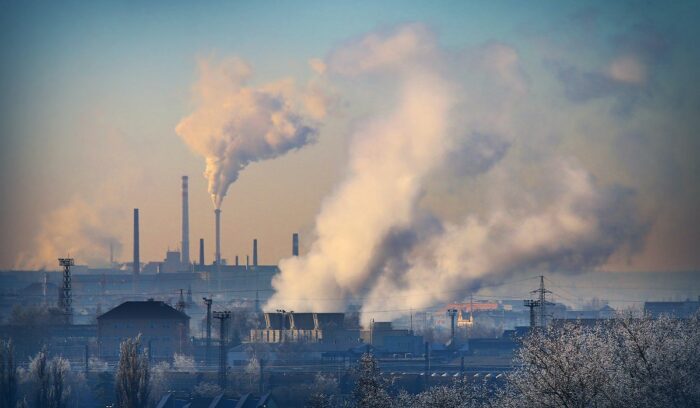
Coal-fired power plant

China’s new coal projects plummet by 80% in 2024

From January through June, Chinese officials permitted 10.3 gigawatts of new coal capacity, far less than the 50.4 gigawatts approved in the first half of last year, according to an analysis from Greenpeace and the Shanghai Institutes for International Studies. While China is bullish on renewables — it is currently building twice as much wind and solar as the rest of the world combined — officials have been looking to coal to meet demand when solar and wind are in short supply.

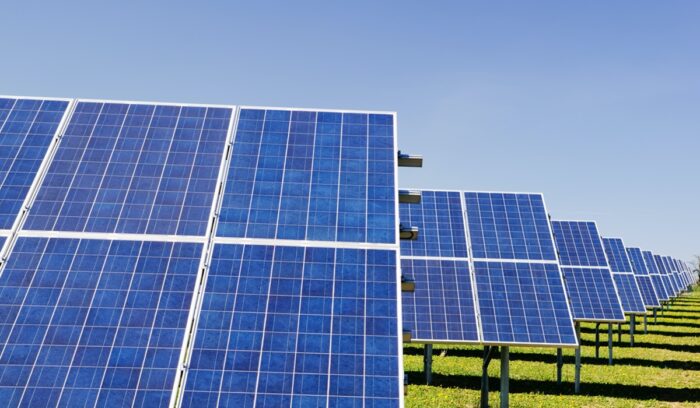
Solar farm

New Zealand’s biggest solar farm secures finance to go ahead at Christchurch Airport

Leading global renewable energy developer Lightsource BP has secured $NZ267 million in financing for its 168MW Kōwhai Park solar project planned to be built at the Christchurch Airport, which will be – for a time – the largest in the country. The solar farm is expected to begin construction later this year and begin operations some time in 2026. Once operational, the Kōwhai Park solar farm will generate over 275GWh per year, equivalent to the annual demand of approximately 36,000 homes.

Portrait of native american woman smiling on camera with city park in background - Indigenous girl outdoor

U.S. Federal Communications Commission adopts an alert system for missing Indigenous people

This new alert code, according to the federal agency, would be similar to the nationwide Amber Alert system and will help law enforcement agencies across the country to issue timely alerts to the public through cellphones, televisions and radios. The new “MEP” alert code is part of the efforts to address disparities in searching for and locating thousands of missing Indigenous persons in the U.S., who are at higher risk of being victims of violence, homicide, and of going missing, the FCC said in a news release.

MIT naloxone sensor implant

MIT scientists reverse opioid overdoses with ‘Narcan sensor’ implanted under skin

In 2023, more than 100,000 Americans died from opioid overdoses. The most effective way to save someone who has overdosed is to administer a drug called naloxone, but help can’t always reach the person in time. Researchers at MIT and Brigham and Women’s Hospital have developed a new device to address this problem. The device, about the size of a stick of gum, can be implanted under the skin. When it determines that an overdose has occurred, it rapidly pumps out a dose of naloxone.

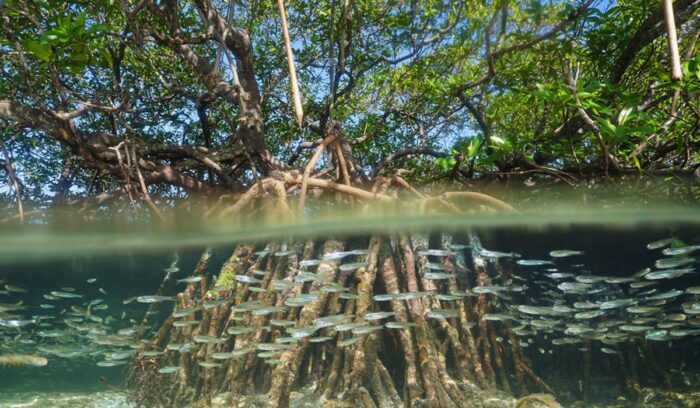
Mangrove tree in water above and below sea surface

Bangladeshi women embrace mangrove restoration as an alternative livelihood

The vast Sundarbans mangrove forests along the southern coast of Bangladesh act as a shield and protect the coastal people and their livelihoods from tropical cyclones and tidal surges. In the last couple of years, the number of mangroves in the zone has increased as the government and some NGOs have introduced programs to plant mangrove trees on the coastal embankments as protection measures. Women from coastal villages, who know the ecosystem well, have been at the forefront of these reforestation projects and have also become entrepreneurial with mangrove forest resources.

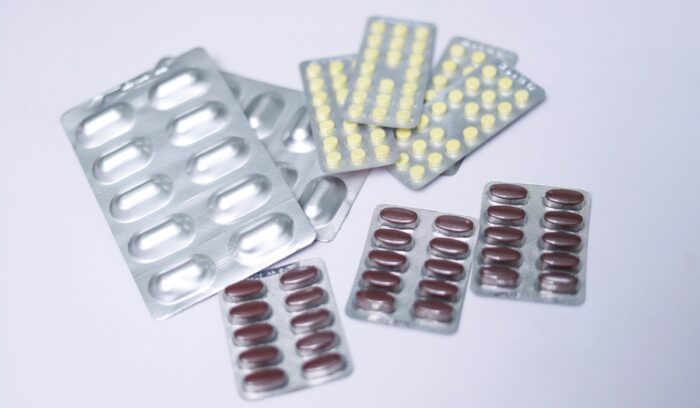
Medications

The U.S. negotiates Medicare drug price cuts that will save billions for U.S. citizens

The United States has negotiated down the prices of 10 top-selling prescription drugs used by Medicare by as much as 79%, hoping to save $6 billion in the first year as part of a plan hailed on Thursday by President Joe Biden with the aim to ease anger about high prices ahead of November elections. Biden’s signature Inflation Reduction Act, signed into law in 2022, was the first to allow Medicare to negotiate prices for some of the most costly drugs that the program covers for 66 million people. The new prices will go into effect in 2026.