Good News Links

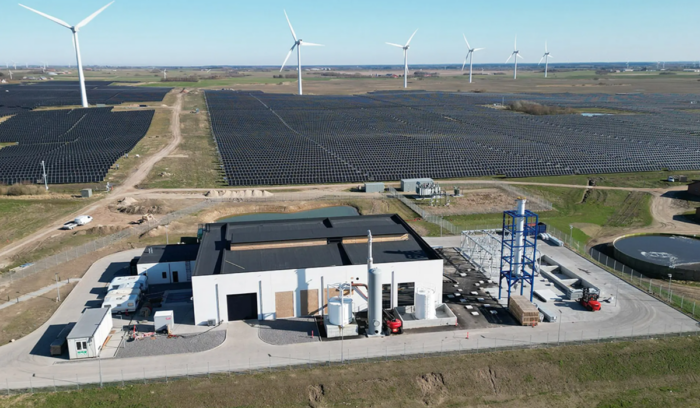
Green ammonia plant

World’s first green ammonia plant is now open for business in Denmark

The new plant – located in Ramme, Denmark – is said to be capable of producing 5,000 tons of green ammonia per year, entirely from solar and wind energy. Topsoe reports that this effort will prevent 8,200 tons of carbon dioxide emissions annually. Gray ammonia production – which uses fossil fuels – is currently the norm around the globe, and accounts for about 1.2% of all carbon dioxide emissions.

Legos

Lego plans to make half the plastic in bricks from renewable materials by 2026

The toymaker hopes gradually to bring down the amount of oil-based plastic it uses by paying up to 70% more for certified renewable resin, the raw plastic used to manufacture the bricks, in an attempt to encourage manufacturers to increase production. In the long term, Lego plans to switch entirely to renewable and recycled plastic by 2032, in a green push that has resulted in the company testing more than 600 alternative materials.

France to trial ban on mobile phones at school for children under 15

France is to trial a ban on mobile phones at school for pupils up to the age of 15, seeking to give children a “digital pause” that, if judged successful, could be rolled out nationwide from January. Just under 200 secondary schools will take part in the experiment that will require youngsters to hand over phones on arrival at reception. It takes the prohibition on the devices further than a 2018 law that banned pupils at primary and secondary schools from using their phones on the premises but allowed them to keep possession of them.

Egyptian flag

Egypt recovers 3 ancient artifacts found in the Netherlands

The items retrieved include a mummified head from the Hellenistic period, a ceramic funerary figurine dating to Egypt’s New Kingdom era (664-332 B.C.), and part of a wooden tomb bearing an inscription of the goddess Isis from 663-504 B.C., the Egyptian embassy in The Hague said in a statement. The head was found in good condition, showing remnants of teeth and hair. Dutch police and the cultural heritage inspection unit retrieved the figurines and parts of the tomb after determining that they were smuggled out of Egypt.

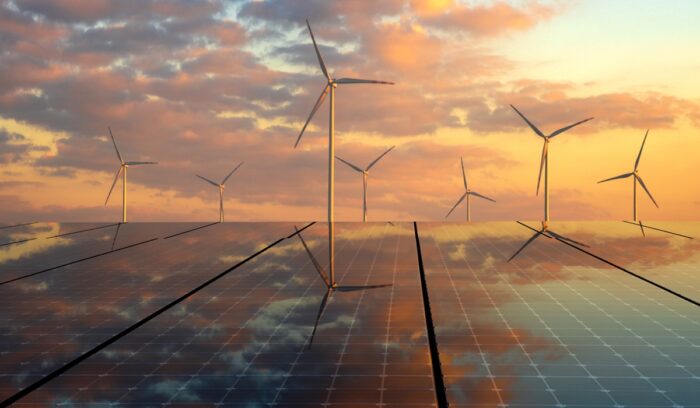
clean energy concept

Wind and solar energy production in U.S. surpasses coal for the first time in history

From January through July of this year, wind and solar in the U.S. generated more net electricity than power from coal, according to recent data from the U.S. Energy Information Administration (EIA). Further, wind energy generation alone beat coal energy generation in two consecutive months: March and April. As CleanTechnica reported, wind energy installations produced 45.9 gigawatt-hours (GWh) in March and a record high 47.7 GWh in April, compared to the 38.4 GWh in March and 37.2 GWh in April generated by coal-fired power plants.

Australian employees now have the right to ignore work emails and calls after hours

The new rule means employees, in most cases, cannot be punished for refusing to read or respond to contacts from their employers outside work hours. Australians worked on average 281 hours of unpaid overtime in 2023, according to a survey last year by the Australia Institute, which estimated the monetary value of the labor at $88 billion USD. The changes add Australia to a group of roughly two dozen countries, mostly in Europe and Latin America, which have similar laws.

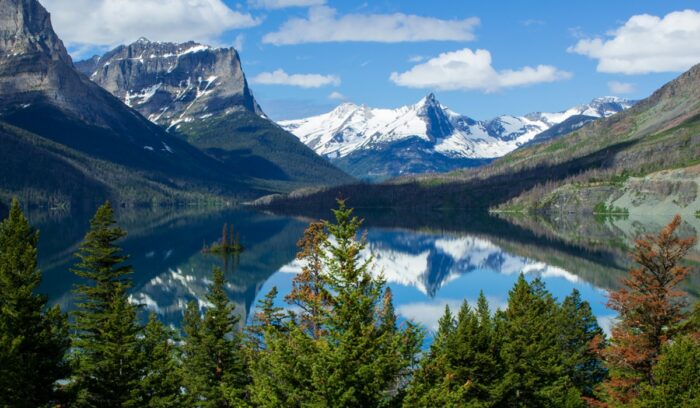
Saint Mary Lake

The U.S. national park system gets a $100 million grant, the largest in its history

The National Park Foundation has received the largest grant in its nearly 60-year history, a $100 million gift from Lilly Endowment Inc. The money will fund four key priorities, including creating opportunities for young people to visit the parks and conserving threatened ecosystems and wildlife. The foundation also plans to use the money to tell a more comprehensive version of U.S. history, including the “experiences of communities whose voices and contributions have not been fully told as a part of the American story.”

Dolphin

Taiwan bans performances by captive wild animals

Live performances by wild animals held in captivity, including performances by dolphins, tigers, and other non-domesticated mammals, will no longer be permitted in Taiwan under new Ministry of Agriculture (MOA) regulations. The new measures will make Taiwan one of 13 nations outlawing captive animal performances. Companies that hold animals captive for commercial purposes must submit detailed documentation outlining how animals will be housed and displayed.

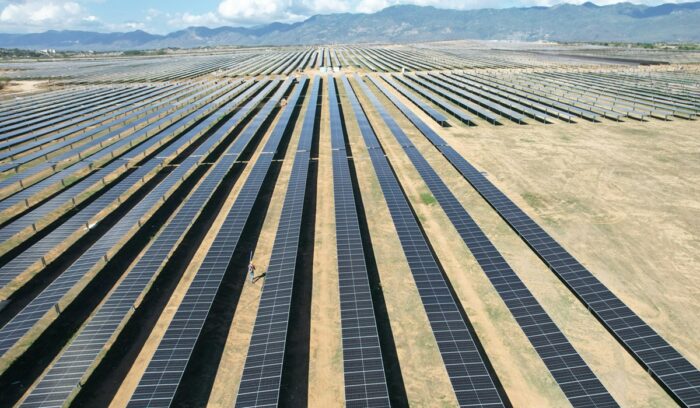
Aerial view of large solar farm

World’s biggest battery storage project gets underway in Chile

Financial close has been reached for the first two phases of the world’s largest battery storage project, the Oasis de Atacama in Chile, with 1.24GWh now financed and an eventual 4.1GWh once all five phases are completed. Grenergy expects the completed project will generate electricity equivalent for the needs of 145,000 homes and reduce CO2 emissions by over 146,000 tons.

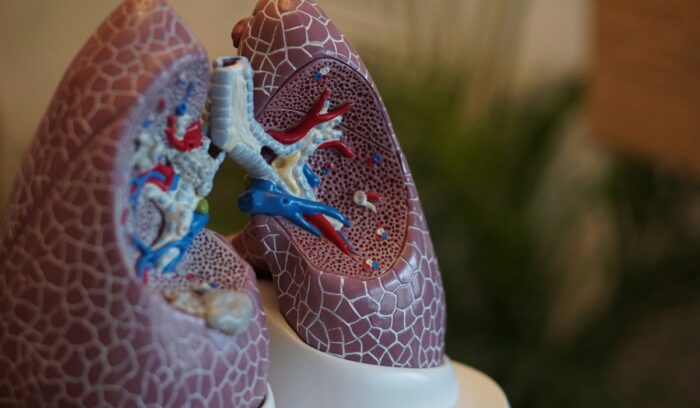
Model lungs

World-first lung cancer vaccine trials launched across seven countries

Lung cancer is the world’s leading cause of cancer death, accounting for about 1.8 million deaths every year. Now experts are testing a new jab that instructs the body to hunt down and kill cancer cells – then prevents them from ever coming back. Known as BNT116 and made by BioNTech, the vaccine is designed to treat non-small cell lung cancer, the most common form of the disease. The phase 1 clinical trial, the first human study of BNT116, has launched across 34 research sites in seven countries: the U.K., U.S., Germany, Hungary, Poland, Spain, and Turkey.