
Eighteen million trees to be planted around Glasgow
An urban forest of 18 million trees, is to be planted around Glasgow over the next 10 years. The number of trees being planted is equivalent to 10 trees per resident.

An urban forest of 18 million trees, is to be planted around Glasgow over the next 10 years. The number of trees being planted is equivalent to 10 trees per resident.
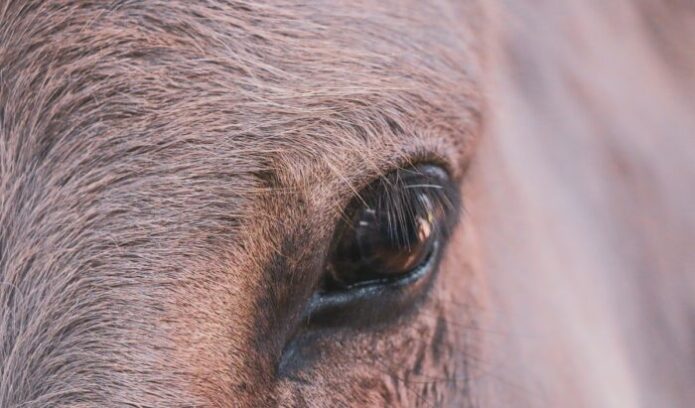
Some of the issues addressed include banning e-collars (which deliver electric shocks), restricting glue traps, banning people from importing most hunting trophies, banning live animal exports for fattening or slaughtering and keeping primates as pets.

While the practice has been discredited by every major medical association, the religious right continues to promote the technique despite the increased risk of suicide and depression by participants.

The U.K. has established an important international precedent, being the first major economy to account for its airline and shipping emissions under its carbon budget.

Scientists from the University of Oxford have developed a vaccine that they say gives “unprecedented” protection against malaria, a deadly mosquito-borne disease that killed more than 400,000 people worldwide last year.

The U.K. government has announced a legally binding commitment to hit a 78 percent emissions reduction target by 2035, as compared to 1990 levels, on the way to net zero emissions by 2050. For the first time, this target includes aviation and shipping. The U.K.’s carbon emissions peaked at around 900 megatons per year in 1991, and the 2022 figure is on pace to be below 500 Mt, representing around a 45% emissions reduction achievement since 2002.
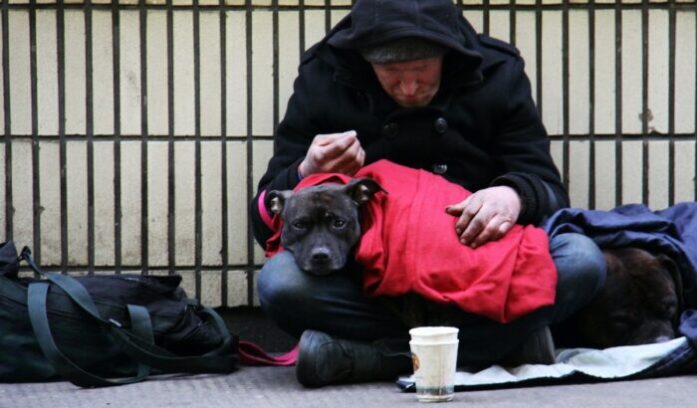
The bill of rights was originally drawn up in 2017 to encourage cities and councils to recognize the rights of the homeless. The document was compiled of basic rights drawn from human rights law.
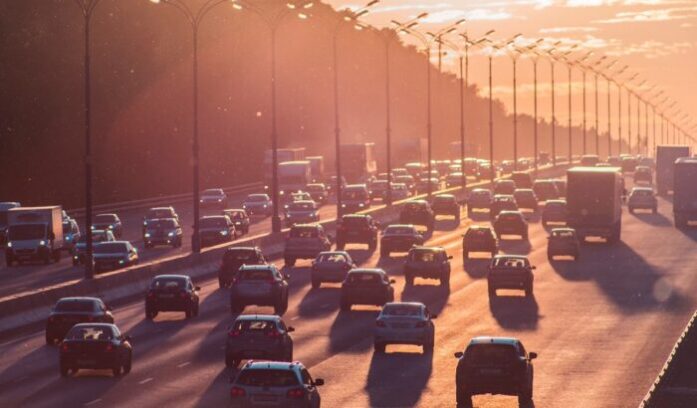
Almost two-thirds of urban residents support banning the sale of new petrol and diesel cars in Europe after 2030, according to a new YouGov online poll in 15 European cities.

The U.K. government, under the Blue Belt program, has announced its plan to install underwater camera rigs for monitoring ocean wildlife across over 4 million square kilometers of ocean space.
Last year, Tesco met with 1,500 suppliers to let them know that the company reserves the right to no longer stock products that use excessive packaging or hard to recycle materials.