The Netherlands

Rob Jetten

Rob Jetten becomes The Netherland’s first openly gay prime minister

In a historic victory for representation and progressive politics, Rob Jetten has been sworn in as the first openly gay Prime Minister of the Netherlands. At 38 years old, the centrist Democrats 66 leader is also the youngest head of government in Dutch history. Jetten successfully formed a minority coalition government following a tense election that defeated far-right populist opponents. His platform prioritizes climate investment, economic fairness, and strong international collaboration. Jetten’s premiership powerfully reaffirms the Netherlands’ global legacy as a pioneer of LGBTQ+ equality and inclusive, cooperative democratic leadership.
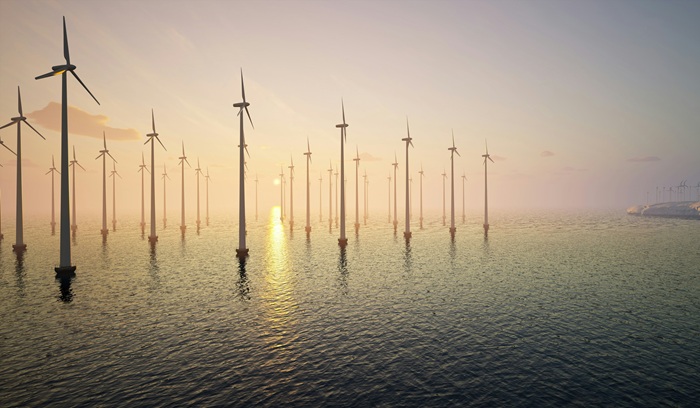
Offshore wind turbines

Ten nations commit €11 billion to massive 100GW North Sea wind power hub

In a historic display of unity, the U.K., Belgium, Denmark, France, Germany, Ireland, Luxembourg, the Netherlands, Norway, and Iceland have signed an agreement to transform the North Sea into a 100-gigawatt renewable energy powerhouse by 2030. The coalition pledged a joint investment of €11 billion to build offshore wind farms and interconnected energy islands. This massive infrastructure project is designed to power 100 million homes, securing Europe’s energy independence and accelerating the transition away from imported fossil fuels.

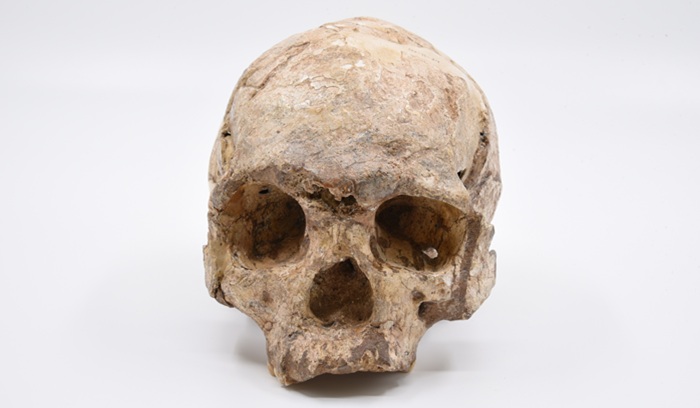
Dubois Collection skull

The Netherlands is returning a fossil collection taken from Indonesia in the colonial era

An important step in cultural justice has been achieved as the Netherlands formally returned thousands of historical and scientific artifacts to Indonesia.
The objects, known as the Dubois Collection, include ancient Javanese treasures, significant natural history fossils, and complete institutional collections. Notably, the return includes materials related to the famous “Java Man” hominid fossil. This transfer empowers Indonesian scholars and citizens with full access to their national history and vital scientific data, serving as an important model for international cooperation and cultural self-determination globally.

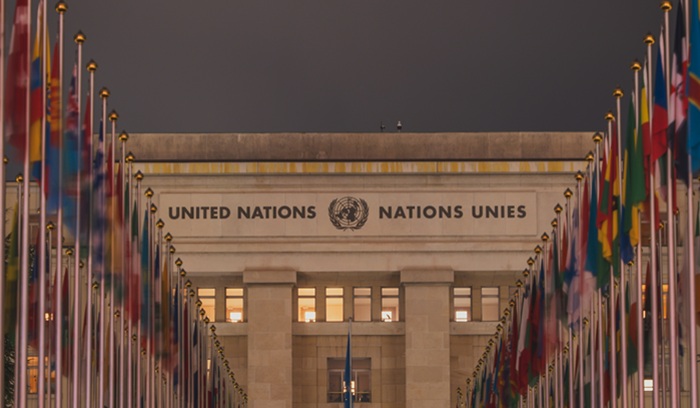
UN building and world flags

World Court says countries are legally obligated to curb emissions and protect climate

A landmark decision by the International Court of Justice in The Hague, Netherlands has cleared the way for countries to sue each other over climate change. Campaigners and climate lawyers have called this a “watershed legal moment” and hope the decision will pave the way for compensation from countries that have historically burned the most fossil fuels. The unprecedented case was the brainchild of a group of young law students from low-lying Pacific islands on the frontlines of climate change, who came up with the idea in 2019.

Benin Bronzes

The Netherlands to return over 100 Benin Bronzes to Nigeria

The Benin Bronzes are a collection of thousands of metal plaques and sculptures that decorated the royal palace of the Kingdom of Benin. Created between the 14th and 16th centuries, British soldiers looted the Benin Bronzes from modern-day Nigeria in the 19th century. Of the looted statues taken during the Benin Expedition of 1897, two hundred were housed in the British Museum, with the rest spread across other European institutions. The Netherlands has now agreed to return its share.

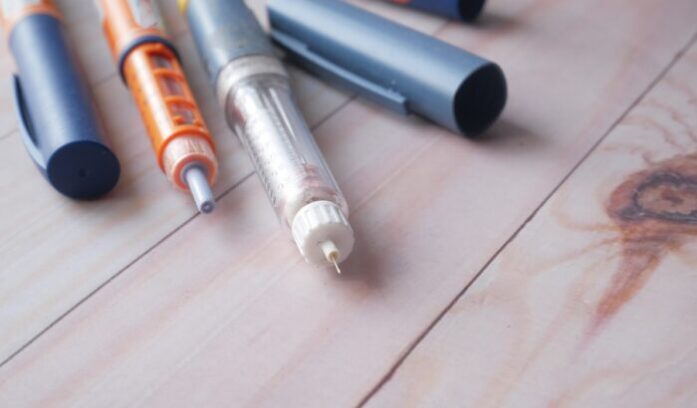
Insulin pens

New treatment eliminates insulin for 86% of patients in early trials

New research from Amsterdam University Medical Center introduces a promising new treatment approach for type 2 diabetes (T2D) that has the potential to greatly reduce or even eliminate the need for insulin therapy. This innovative approach, which combines a novel procedure known as ReCET (Re-Cellularization via Electroporation Therapy) with semaglutide, resulted in the elimination of insulin therapy for 86% of the 14 patients participating in initial trials. Globally, T2D affects 422 million people. While insulin therapy is commonly used to manage blood sugar levels in T2D patients, it can result in side effects such as weight gain and further complicate diabetes management.

ING headquarters

Dutch bank ING to ditch climate laggards as clients

Dutch bank ING will dump large clients it believes are not making sufficient progress on reducing their climate impact, in the latest sign of divergence between European and US banks over the risks of global warming. Chief executive Steven van Rijswijk said ING had put its clients on notice that it would either restrict or stop providing finance to companies that fail to address their carbon footprint on a case-by-case basis. Van Rijswijk said ING had assessed 2,000 of its largest clients based on their publicly available climate transition plans and other data. Companies had until 2026 to make sufficient progress, he said.   

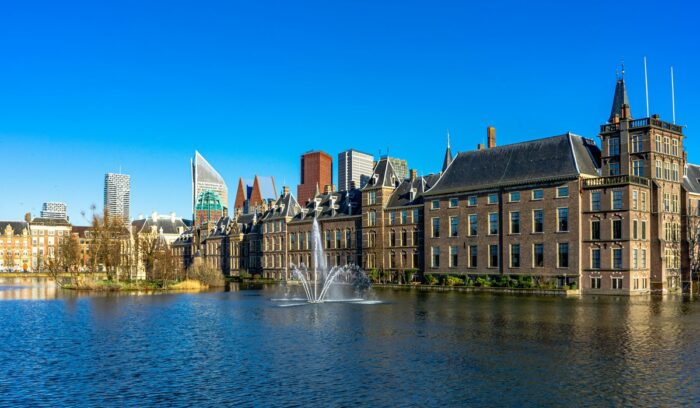
The Hague waterfront and buildings

The Hague becomes world’s first city to pass law banning fossil fuel-related ads

New legislation in the Dutch city spells the end of publicly and privately funded advertising for petrol and diesel, aviation and cruise ships in city streets, including on billboards and bus shelters. It takes effect from the start of next year. It is the first time a city has banned high-carbon advertising through local legislation. The decision follows a call by the U.N. chief, António Guterres, earlier this year for governments and media to enact such bans, as they have done with tobacco.

Egyptian flag

Egypt recovers 3 ancient artifacts found in the Netherlands

The items retrieved include a mummified head from the Hellenistic period, a ceramic funerary figurine dating to Egypt’s New Kingdom era (664-332 B.C.), and part of a wooden tomb bearing an inscription of the goddess Isis from 663-504 B.C., the Egyptian embassy in The Hague said in a statement. The head was found in good condition, showing remnants of teeth and hair. Dutch police and the cultural heritage inspection unit retrieved the figurines and parts of the tomb after determining that they were smuggled out of Egypt.

Assortment of pills

Novel AI model rapidly determines if an antidepressant will work

Amsterdam University Medical Center (UMC) and Radboud UMC researchers have developed an algorithm that, based on patient MRI scans and other data, can determine within a week if a particular antidepressant will, offering faster relief and minimizing often painful and damaging side effects. “This is important news for patients,” said Liesbeth Reneman, Professor of Neuroradiology at Amsterdam UMC. “Normally, it takes six to eight weeks before it is known whether an antidepressant will work.”