
China to ban all variants of deadly drug
China announced it will ban all variants of a powerful opioid responsible for many of the deaths in America’s opioid crisis.

China announced it will ban all variants of a powerful opioid responsible for many of the deaths in America’s opioid crisis.
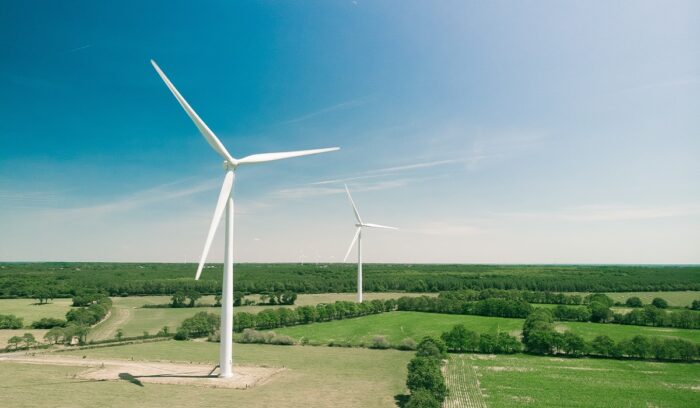
The Asia Pacific region installed a total of 24.9 gigawatts (GW) of onshore wind in 2018, bringing the region’s cumulative capacity up to an impressive 256 GW. 145 GW of new onshore capacity are expected to be brought online by 2023.

Currently, Stage V rules, based primarily on regulations promulgated by the European Union, are in force. Stage VI rules will slash carbon dioxide and nitrogen oxide emissions by 50% below those already strict Stage V level.

According to U.S. NASA, there are now more than 2 million sq miles of extra leaf area per year, compared with the early 2000s — a 5% increase. The greening effect stems mainly from ambitious tree-planting and intensive farming in China and India.
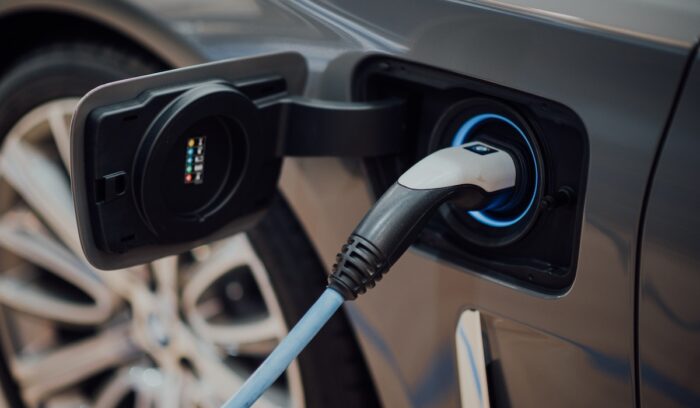
2018 PEV sales in China ended at over a million units. For some context, 2017 was the first year that plug-ins reached 1 million sales globally.

Environmentalists said that lifting the ban could have devastating effects for rhinoceros and tiger populations. Yesterday, the Chinese Government postponed plans to lift this ban.

Senior officials from Beijing, Fuzhou, Qingdao and Shanghai have pledged to remove greenhouse gas emissions from their buildings.
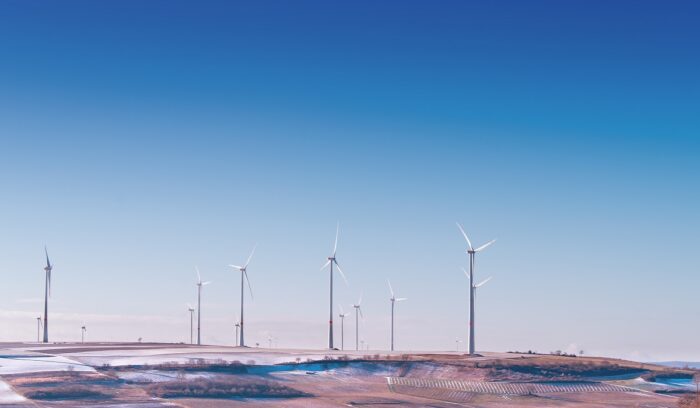
China will surpass its national cumulative wind power target of 210 gigawatts (GW) by 2020 and install more than 20 GW per year on average over the next 10 years.

A slew of sexual-misconduct allegations is surfacing in China, a sign of pent-up frustration about the treatment of women and a testament to the rise of a generation increasingly willing to speak up.

By using the blockchain in this new way, Chinese citizens may have finally found a way to express themselves that’s beyond the government’s reach.