
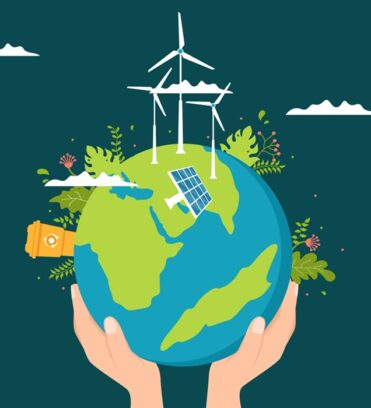
When it comes to climate change, the headlines can feel overwhelming and deeply discouraging. Rising temperatures, extreme weather, and biodiversity loss remind us of the urgency of this crisis happening right here, right now.
And yet, alongside the challenges, there is also powerful climate good news—stories of transformation, innovation, and resilience that are reshaping our world.
My work is dedicated to uncovering and amplifying these hopeful shifts in the hopes that it might inspire and facilitate more action. While we must remain diligent in reducing emissions and protecting vulnerable communities, it is equally important to recognize that we are living through one of the fastest energy transitions in human history. Every week brings new evidence that the global economy is pivoting away from fossil fuels and toward a future powered by renewable energy.
From record-breaking growth in solar and wind power to breakthroughs in battery storage and electric vehicles, the momentum is undeniable. Entire countries are committing to carbon-free grids, businesses are reimagining their supply chains, and grassroots communities are proving that sustainable solutions can thrive anywhere. This isn’t just incremental change—it is the rapid acceleration of a carbon-free economy, happening in real time.
I strive to highlight climate good news not as a distraction from the seriousness of the crisis, but as a source of motivation. By shining light on what’s working, we inspire greater courage, creativity, and collective action.
The climate story is still being written. Yes, there is danger. But there is also deep hope—and we each have a role to play in ensuring that the good news grows stronger every day.
-

Humanity closes its last coal-fired power plant
In a major milestone for climate action, all of the world’s coal plants are closed in favor of cleaner energy alternatives. The achievement not only helps repair damaged ecosystems and stabilize planetary climate systems, but also saves millions of human lives due to improved air and water quality.
-
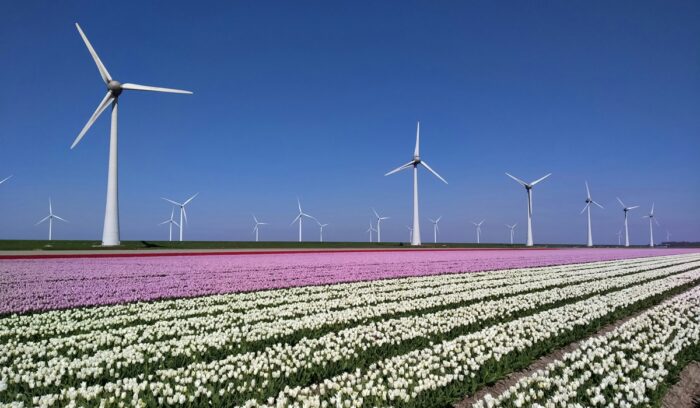
Wind power supplies a majority of E.U.’s electricity for the first time
In the 2020s, the European Union set a target of at least 50% of electricity supplied by wind by 2050. However, due to the accelerating economic viability of renewables and heightened political urgency, it accomplishes this major climate milestone years ahead of schedule in a major win for climate action.
-

E.U. restores 90% of its degraded habitats
In 2024, over 80% of European habitats were deemed to be in “poor” condition. After a major political commitment to restore habitats in that same year, E.U. member states make huge strides and ultimately meet their 2050 goal eight years early in a major win for endangered species, climate action, ecosystem services, and human recreation.
-
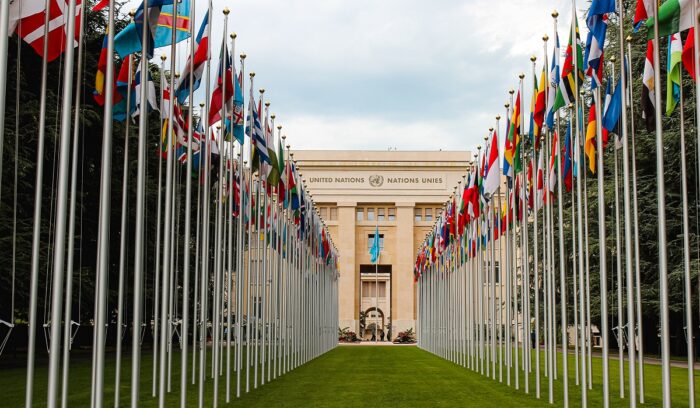
All the world’s nations formally sign fossil fuel non-proliferation treaty
In 2042, every nation formally signs the Fossil Fuel Non-Proliferation Treaty, committing to a total phase-out of coal, oil, and gas. This historic accord provides the market certainty needed to redirect trillions into renewable energy, combating the climate crisis, drastically reducing air pollution, and creating tens of millions of green jobs around the world. It…
-

Ecuador ends all oil and gas production
After decades of pressure from citizens and civil society groups, the Ecuadorian government formally bans all oil and gas production and transitions to renewable energy sources and climate-friendly industries.
-

For the first time ever, EVs outnumber gas-powered cars on the world’s roads
The majority of cars on the roads around the world are now powered by electricity rather than fossil fuels, drastically reducing the carbon emissions produced by transportation and preventing millions of deaths caused by air pollution. This historic milestone was achieved through aggressive government incentives, improved and less expensive EV technology, and consumer awareness.
-

Humanity phases out all fluorinated gases
The world achieves the universal phase-out of all F-gases, potent climate pollutants. This monumental effort, driven by the Montreal Protocol, averts up to 0.5°C of warming, creates a cleaner, safer, and economically beneficial global infrastructure, and confirms humanity’s ability to solve major environmental challenges.
-

Humanity reaches peak food waste
Though food waste rose for decades as more people around the world grew more affluent (and thus more willing and able to waste), total global food waste finally begins to decline due to new policies and increased consumer awareness.
-

Humans invent safe, reliable, and economically-viable method for producing fusion power at scale
Studied as early as the 1920s, fusion power had long been seen as the holy grail of clean, renewable energy and a game-changing tool in the fight against climate change. With this breakthrough moment, fusion power finally became available to the masses, an inflection point in the battle against climate change.