States & provinces

Herd of caribou

Inuvialuit people and Canadian governments sign deal to create massive new conservation area

The Inuvialuit and the Canadian federal and Yukon governments have signed a new conservation agreement to ensure greater protection for more than 2 million acres of the Yukon’s northeast coast, 1.8% of Yukon’s landmass. The agreement provides protection and conservation of wildlife such as the Porcupine caribou herd, polar bears, and migratory birds. It will also help preserve and promote traditional use amongst Inuvialuit mostly living in Aklavik and Inuvik in the Northwest Territories who access the area.

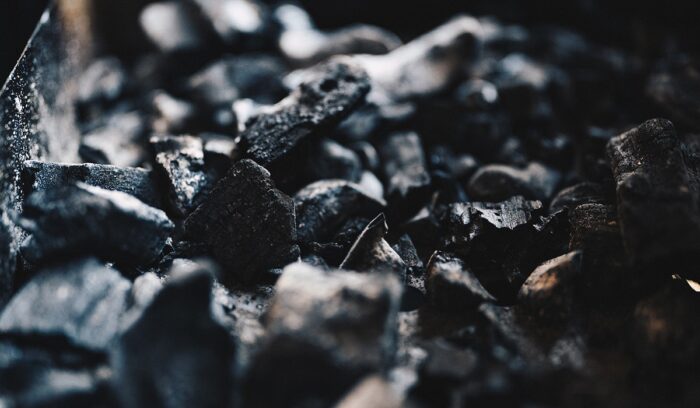
Coal

Alberta’s last coal plant closes

Capital Power’s Genesee 2 facility — the last dedicated coal plant in the Canadian province — has officially gone offline. According to the latest forecast from the Alberta Electric System Operator (AESO), it’s not expected to come back online ever. As recently as 2001, coal accounted for as much as 80% of the electricity on the province’s grid.

Silhouette of cannabis leaf

Maryland Gov. Wes Moore set to issue 175,000 pardons for marijuana convictions

During a news conference, Moore said the executive order will affect “tens of thousands of Marylanders” convicted of misdemeanors. Some may have had more than one conviction pardoned through the process. Advocates praised the move as a way of removing barriers to housing, employment, or educational opportunities based on convictions for conduct that is no longer illegal.

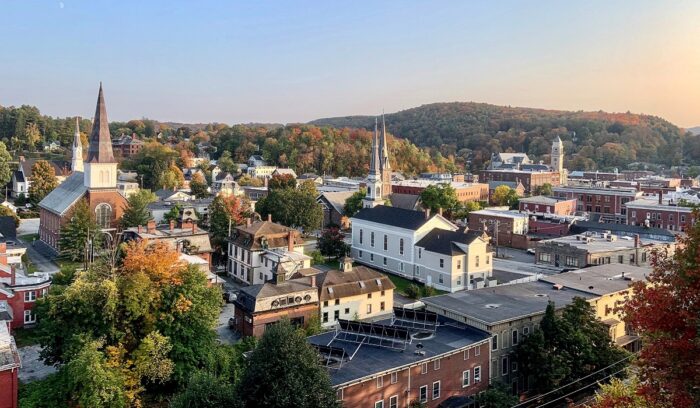
Montpelier

Vermont becomes first U.S. state to require oil companies to pay for climate change damages

Vermont has enacted a law requiring fossil fuel companies to pay a share of the damage caused by climate change after the state suffered catastrophic summer flooding and damage from other extreme weather. The funds could be used for upgrading stormwater drainage systems; upgrading roads, bridges and railroads; relocating, elevating or retrofitting sewage treatment plants; and making energy-efficient weatherization upgrades to public and private buildings.

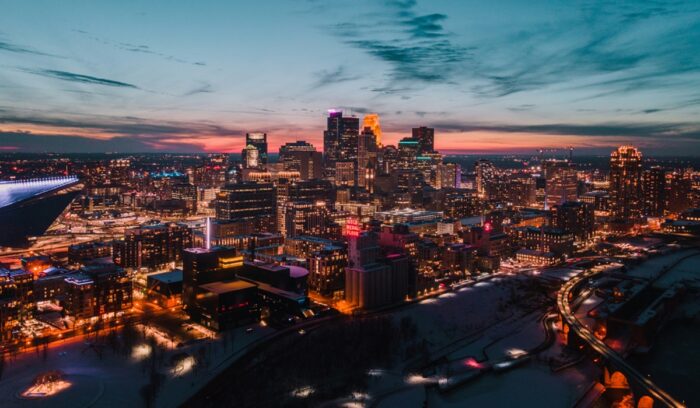
Minneapolis skyline at sunset

Minnesota bans the LGBTQ+ panic defense

Minnesota passed H.F. 5216, a bill that bans the infamous LGBTQ+ panic defense, the LA Blade reports. The LGBTQ+ panic defense is when a defendant argues that they “panicked” when they learned that their victim was LGBTQ+ as an excuse for anti-LGBTQ+ violence. Signed by Gov. Tim Walz (D) after making its way through the state’s House of Representatives and Senate. It will go into effect on August 1, 2024.

Packages of diapers

Tennessee to become the first U.S. state to provide some children’s diapers

According to the National Diaper Bank Network, 92% of families receiving diapers in Tennessee are working and still unable to afford an adequate supply of diapers. However, it was just announced that the state’s Medicaid program will officially start covering 100 diapers a month for newborns, infants, and one-year-olds in August 2024, becoming the first U.S. state to do so.

"We have always been here. Trans pride." sign on post

Maine becomes trans sanctuary state

Maine Gov. Janet Mills has signed a new law that makes the state a sanctuary state for transgender people, abortion providers, and patients. The new law provides “protections to persons who seek, health care practitioners who provide and those who assist health care practitioners in providing gender-affirming health care services and reproductive health care services” that are legal in Maine.

Aerial view of river and mangroves

Brazil boosts protection of Amazon mangroves with new reserves in Pará state

Brazil’s Pará state has now protected almost all of its Amazonian coastline after establishing two new conservation units that make up the world’s largest and most conserved belt of mangroves. The environmental victory came after President Luiz Inácio Lula da Silva signed the decree for the two reserves on March 21, placing an additional 184,600 acres of mangrove ecosystems under federal protection.