States & provinces

Insulin pen

California to become U.S. first state to sell cheap insulin through state-backed program

California has achieved a major healthcare milestone by launching a groundbreaking initiative to provide affordable, state-backed insulin. The pioneering CalRx program is contracting with a generic manufacturer to produce the medication, which it will sell at near-cost prices. This action is expected to drastically lower costs for the nearly $3.2 million residents living with diabetes. By intervening in the market, the state affirms that essential, life-saving medication must be affordable, setting a powerful national precedent for health equity.

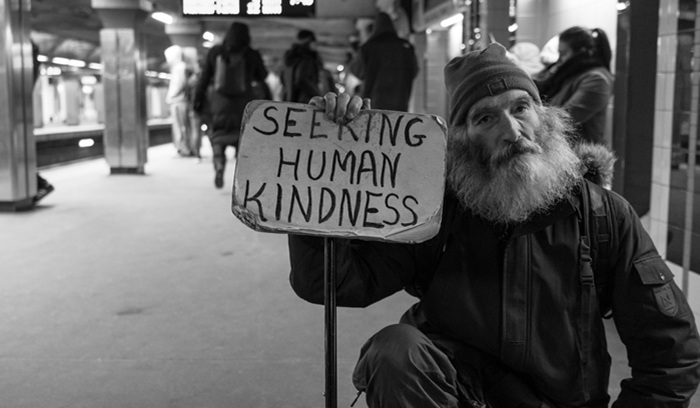
Person with "seeking human kindness" sign

California passes bill blocking cities from punishing people who help the homeless

California has passed Senate Bill 634, a crucial new law designed to rapidly expand the workforce dedicated to solving homelessness. Signed by Governor Gavin Newsom, the legislation removes bureaucratic barriers to hiring, allowing service providers to recruit qualified staff and peer support workers more easily. This practical reform addresses critical labor shortages, ensuring that housing and mental health services can be delivered faster and more effectively to unhoused residents across the state.

Marina near Lake Muskegon and Lake Michigan

Michigan’s Lake Muskegon flourishing after years of pollution cleanup

A massive $84 million cleanup has led to the full ecological recovery of Lake Muskegon in Michigan. The lake was formally removed from the federal Areas of Concern list after decades of effort. This success restores the lake’s water quality and wildlife habitat, eliminating industrial contamination like sawdust and toxic sediment. The achievement is a powerful blueprint for environmental healing, proving that sustained public investment can fully revitalize damaged natural resources.

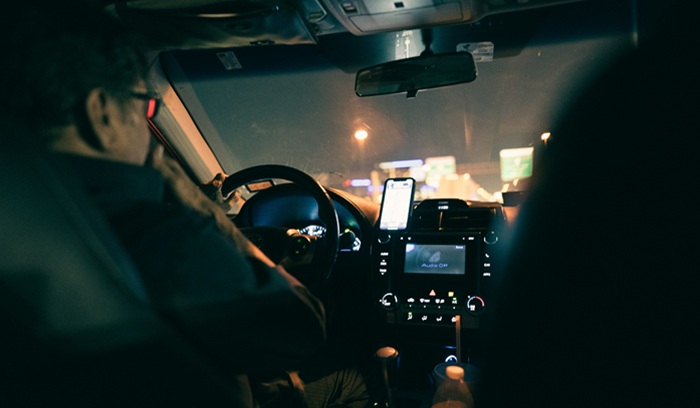
View of Uber driver from backseat

Uber and Lyft drivers in California win the right to unionize

In a landmark moment for the gig economy, Governor Newsom signed a bill granting California’s ride-share and delivery drivers the right to organize and collectively negotiate. This historic law, a national first, empowers hundreds of thousands of workers to demand better wages and working conditions. The move creates a new model of sectoral bargaining, protecting labor rights within the digital economy while preserving the flexibility that platforms rely on.

Law enforcement officers in masks

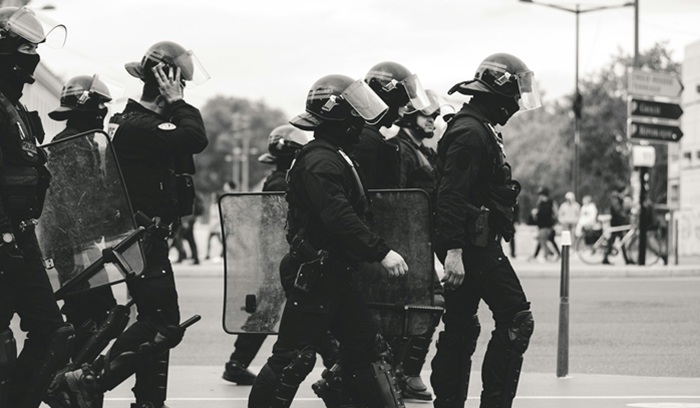
California becomes first U.S. state to ban most law enforcement officers from wearing masks

California’s governor, Gavin Newsom, has signed a bill prohibiting most law enforcement officers, including federal immigration agents, from covering their faces while conducting official business. The legislation, which is the first of its kind in the nation, is a direct response to recent immigration raids in Los Angeles where masked federal agents made mass arrests. This new law is intended to increase transparency, boost public trust in law enforcement, and prevent people from impersonating officers to commit crimes. This is a progressive step that could serve as a model for other states, even as it faces legal challenges.

Children in preschool raising their hands

New Mexico to be first U.S. state to launch universal child care system

A groundbreaking new law in New Mexico is making history by guaranteeing no-cost childcare for all families. This initiative is a strategic investment in the state’s future, designed to boost the economy by enabling parents, particularly mothers, to enter or re-enter the workforce. It also ensures quality by increasing provider pay to a minimum of $18 an hour. This progressive move sets a new national standard, proving that investing in children and families is a powerful path to long-term prosperity.

Forest scene

Washington State to conserve 77,000 acres of “legacy forests” on state lands

Washington has announced a landmark step in forest conservation, protecting 77,000 acres of legacy forests across the state. These ecologically rich areas provide critical wildlife habitat, store carbon, and build wildfire resilience. By conserving legacy forests while supporting rural economies, Washington is charting a path toward sustainable forestry and climate resilience.

Boston skyline with Fenway Park in foreground

Massachusetts governor signs new shield law for abortion & trans health care

A new shield law in Massachusetts, signed by Governor Maura Healey, has created a legal sanctuary for reproductive and gender-affirming care. The law protects patients and providers from out-of-state legal attacks, including subpoenas and lawsuits. It builds on previous protections for abortion and now extends the same legal safeguards to transgender healthcare. This measure reinforces the state’s commitment to protecting essential, evidence-based medical care in the face of national legislative challenges.

Herd of elk

Colorado is building the ‘world’s largest’ wildlife overpass

Colorado is building one of the world’s largest wildlife overpasses across Interstate 25 between Denver and Colorado Springs. The $15 million Greenland Wildlife Overpass will be 200 feet wide and 209 feet long, giving elk, mule deer, and pronghorn a safe route across six lanes of highway. Designed with natural vegetation and sloped entrances, the structure is expected to cut vehicle-animal collisions by up to 90% while reconnecting 39,000 acres of habitat to Pike National Forest. Scheduled for completion in late 2025, the project shows how infrastructure can reduce accidents and restore ecological connectivity.

Aerial view of South Manhattan

New York becomes first U.S. state to require all-electric new buildings

Buildings are one of New York’s biggest climate polluters, responsible for nearly a third of the state’s emissions. In 2025, the state finalized the nation’s first statewide gas ban, requiring most new buildings to run on electric systems, with larger ones following in 2029. A federal court upheld the law, clearing the way for implementation. By ending fossil fuel hookups in new construction, New York is cutting a major source of greenhouse gases, improving air quality, and creating a model for other states—pushing the country closer to a future where all buildings help solve the climate crisis, not fuel it.