
The Human Genome Project is completed
The Human Genome Project was an international scientific research project to determine the sequence of nucleotide base pairs of human DNA, and of identifying and mapping all of the genes of the human genome.

The Human Genome Project was an international scientific research project to determine the sequence of nucleotide base pairs of human DNA, and of identifying and mapping all of the genes of the human genome.

The ICRI is an informal partnership among nations, international organizations and non-government organizations to help protect coral reefs globally. It is now the world’s largest body dedicated to coral conservation.

By using MPEG audio coding, MP3s shrink down the original sound data from a CD by a factor of 12, without losing sound quality.
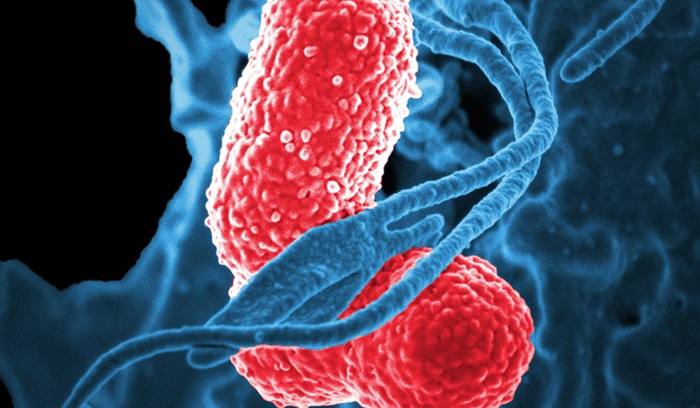
With the discovery of penicillin in 1928, interest in vaccines to prevent pneumonia waned. The assumption was that the problem would largely be eliminated by use of this antibiotic. Austrian and Gold, however, showed that, despite treatment with penicillin, deaths from pneumococcal pneumonia were unchanged in the first 96 hours of therapy. These efforts ultimately led to the licensing first of a 14-valent pneumococcal polysaccharide in 1977 followed by the 23-valent pneumococcal polysaccharide in 1983.

ARPANET was an early packet-switching network and the first network to implement the protocol suite TCP/IP. Both technologies became the technical foundation of the Internet.
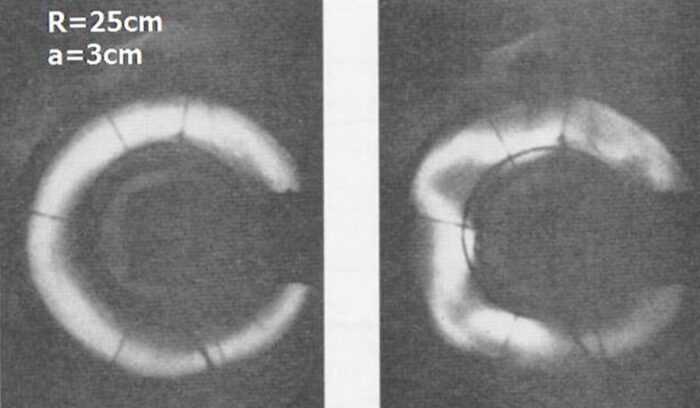
The team that achieved it was led by a British scientist named James Tuck. After the success of Scylla-1, Los Alamos went on to build multiple pinch machines over the next few years.

Throughout the 1950s and 1960s, scientists in several countries conducted extensive research into experimental chemotherapeutic, and psychotherapeutic uses of psychedelic drugs.
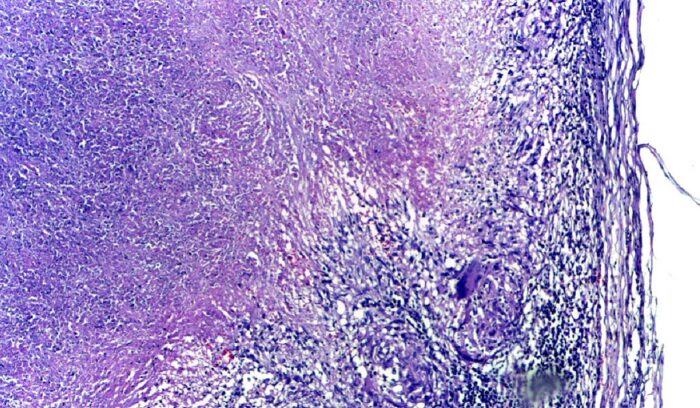
Streptomycin is now on the World Health Organization’s List of Essential Medicines. The World Health Organization classifies it as critically important for human medicine.
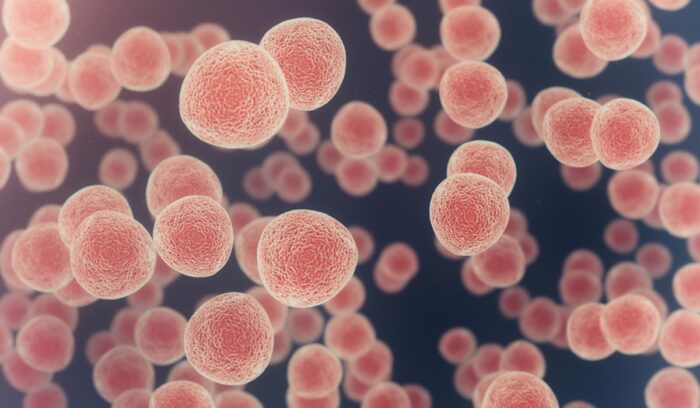
In collaboration with thoracic surgeon Gustaf Lindskog, the two doctors from Yale School of Medicine injected the chemical mustine into a patient with non-Hodgkin’s lymphoma. In a monumental moment for the field of medicine, the patient, a Polish immigrant to Connecticut known in literature only as JD, experienced a dramatic reduction in his tumor masses, paving the way for millions of future patients who would benefit from the therapy in the years and decades to come.

Florey’s discoveries, along with the discoveries of Alexander Fleming and Ernst Chain, are estimated to have saved over 200 million lives, and he is consequently regarded by the Australian scientific and medical community as one of its greatest figures.