Science & academia

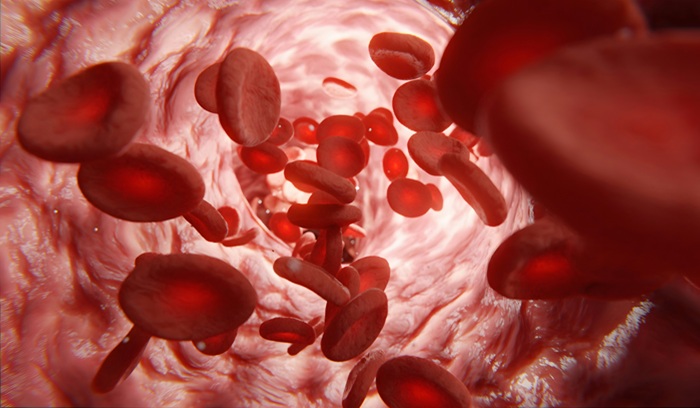
Illustration of red blood cells

Japan to begin clinical trials for artificial blood

For decades, a shrinking population and an aging society in Japan have led to fewer blood donors. This situation is especially dire during disasters or in remote regions, where matching blood types and storing donated blood are logistical nightmares. Recognizing this, researchers at Nara Medical University are developing a safe, effective artificial blood that could be administered to anyone, anywhere, at any time. Clinical trials begin this year, with practical use expected by 2030.

Surgery

Surgeons in California perform first-ever successful bladder transplant

Patients who have their bladder removed most often have a portion of intestine repurposed to pass urine, often resulting in a host of new complications, including infections and digestive issues. Those complications have led doctors around the world to seek bladder transplant techniques for years. The transplant performed in early May has so far succeeded, and doctors said they are “satisfied” with the patient’s recovery, though many unknowns remain.

Teal Wand - Pap smear alternative

The U.S. FDA approves first at-home tool as a Pap-smear alternative

Traditionally, gynecologists have inserted a cold metal speculum deep into a woman’s vagina to scrape cells from the cervix. The Teal Wand — “built with empathy” by California-based Teal Health — uses a swab to collect a vaginal sample. Women will then mail the sample to a lab that will screen for HPV (human papillomavirus), the virus that causes nearly all cervical cancers. The FDA approval follows a U.S.-based study that found at-home screening was just as effective as that done in a doctor’s office.

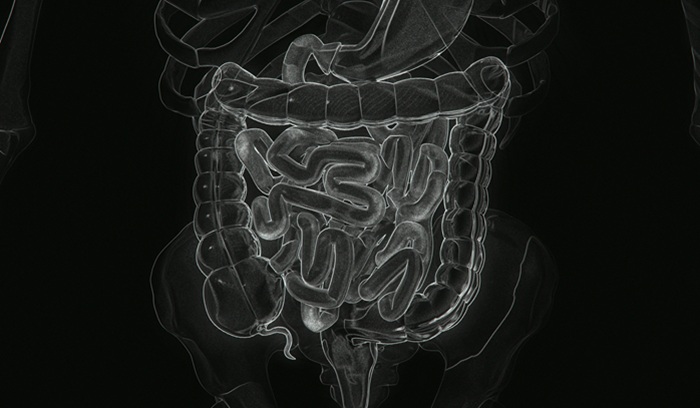
Illustration of intestines

Fecal transplants reduce alcohol cravings as human trials progress

Researchers at Virginia Commonwealth University have found that fecal transplants may help those suffering from severe alcohol use disorder. The work points to a compelling relationship between the gut microbiome and addiction disorders, with large-scale Phase 2 human trials currently underway. Nine of 10 patients who received a transplant had a reduction in their cravings and in the urine measurement of alcohol-related metabolites, compared to only three of the 10 placebo subjects displaying similar levels of improvement.

Illustration of brain

Psilocybe fungi are an effective treatment for repeated concussions, new study suggests

A new study from Boston’s Northeastern University has found that “magic mushrooms” could be an effective treatment for concussions because of their brain-healing properties. Rats given the medicinal fungi post-head injury showed reduced edema and “dramatic hyperconnectivity” in parts of the brain that are pathways for dopamine. The researchers said that the hyperconnected dopaminergic pathways could indicate neuroplasticity, the ability of the brain to reorganize itself in response to injury.

Baby sea turtles in the sand

Endangered sea turtles show signs of recovery in majority of places they’re found worldwide

Endangered sea turtles are making a comeback in many parts of the world, according to a newly published global survey from researchers at Stanford University and other institutions. The study, featured in Endangered Species Research, found that threats to the marine animals—such as hunting, pollution, and coastal development—are declining in more than half of the areas examined. Although the findings offer hope, researchers caution that not all turtle populations are rebounding equally. Leatherback turtles, in particular, remain under severe threat.

​Korean scientists develop technique that detects nearly 100% of bacterial infections in under 3 hours​

Scientists at the Ulsan National Institute of Science & Technology (UNIST) in South Korea have made a major breakthrough in the accuracy and speed at which often deadly pathogen infections can be identified and treated. In many cases, this accelerated process can save lives. The new technique, known as fluorescence in situ hybridization (FISH), detected seven species of bacteria that commonly infect humans. It proved to be more than 99% accurate for all but one – a pathogen that infects skin tissue – which had a still-impressive 96.3% success rate.

Man and woman embracing

Prostate cancer surgery breakthrough offers hope for erectile function

A new form of prostate cancer surgery nearly doubles the chances of men retaining erectile function, according to a new trial conducted by University College London. Known as NeuroSafe, the procedure checks tissue removed during the operation. If the tumor appears to have been removed, the nerve-containing outer layer of the prostate is left intact. The trial assessed 344 men with prostate cancer and no history of erectile dysfunction. 56% of men who had standard surgery reported severe erectile dysfunction, compared with 38% who had NeuroSafe surgery.

Satellite from above with Earth below|nasa unsplash

First Earth Fire Alliance satellite for detecting wildfires is now in orbit

The FireSat constellation, which will consist of more than 50 satellites when it goes live, is the first of its kind that’s built to detect and track fires. It’s an initiative launched by nonprofit Earth Fire Alliance, which includes Google and Muon Space as partners, among others. According to Google, current satellite systems rely on low-resolution imagery and cover a particular area only once every 12 hours to spot large wildfires spanning a couple of acres. FireSat will be able to detect wildfires as small as the size of a classroom and deliver high-resolution visual updates every 20 minutes.

Battery illustration

Chinese researchers develop new battery recycling process that recovers 99.99% of lithium

The groundbreaking method, developed by researchers from Central South University, Guizhou Normal University, and the National Engineering Research Center of Advanced Energy Storage Materials, employs a unique ‘battery effect’ mechanism. The process achieves remarkable recovery rates: 99.99% of lithium, 96.8% of nickel, 92.35% of cobalt, and 90.59% of manganese, all within just 15 minutes. Unlike traditional methods, this approach avoids harsh chemicals and minimizes environmental harm, generating effluents suitable for use as fertilizer.