Nations

Good news for public health

U.S. Food & Drug Administration approves world’s first 100% effective HIV prevention drug

The U.S. FDA has approved lenacapavir (Yeztugo), the first HIV prevention shot that’s given just twice a year. In large studies, it was virtually 100% effective—no HIV cases were seen in one trial, and only two cases occurred in another with more than 2,000 people. This long-lasting protection could make it much easier for people to stay protected, especially for those who find taking a daily pill difficult. By reducing the need for frequent dosing, the new treatment has the potential to greatly expand access to HIV prevention and help move the world closer to ending the deadly epidemic that has killed more than 44 million people worldwide since 1981.
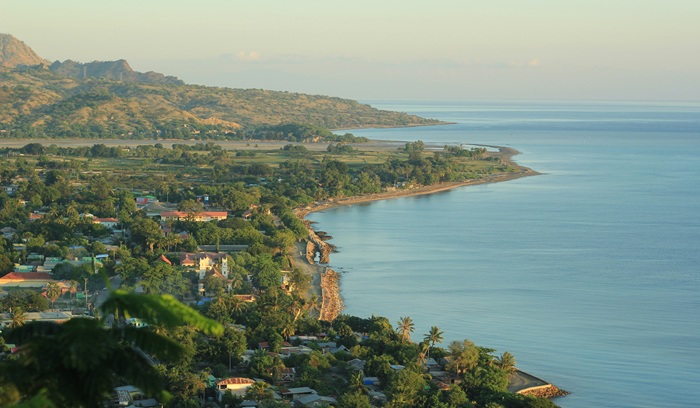
Timor-Leste coastline

World Health Organization certifies Timor-Leste as malaria-free

The World Health Organization certifies malaria elimination when a country has zero indigenous cases for three consecutive years. So far, 47 countries and one territory have earned this status. A Southeast Asian nation, committed to fighting malaria since gaining independence in 2002, has now joined them—demonstrating the impact of sustained, focused efforts to defeat this devastating disease.

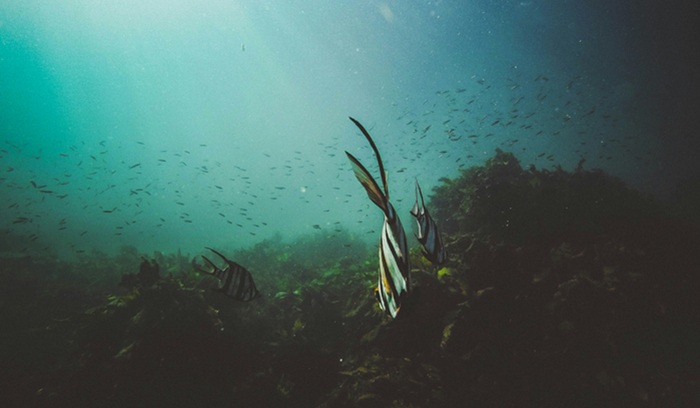
Fishes underwater

Portugal announces a massive new marine protected area

The new marine protected area covers 38,000 square miles surrounding the Gorringe Ridge, home to 850 marine species. The Gorringe Ridge is the tallest seamount—a large submarine volcanic mountain—in Western Europe, and is known for its biodiversity. Among its most famous inhabitants are “soft corals,” or gorgonians, and deep-sea sponges, which call the 1,100 reefs found throughout the ridge home. Portugal has now raised its percentage of total protected territorial waters from 19% to 27%.

Northern lights over teepees

New partnership funds Indigenous-led protection of Canadian lands twice the size of Florida

In Canada’s Northwest Territories, a landmark pact is uniting federal, territorial, and 21 Indigenous governments to protect nature on an unprecedented scale. Covering current preserves plus 75,000 square miles of new conserved lands — twice Florida’s size and more than 2% of Canada’s landmass — the agreement will channel over $300 million to Indigenous-led stewardship, conservation, and ecotourism.

Solar in the foreground, wind turbines in the background

India now gets 50% of its energy from non-fossil sources

The world’s most populous nation has achieved the milestone of generating a majority of its installed electricity capacity from non-fossil fuel sources — five years ahead of its 2030 target under the Paris Agreement. India’s renewable power output rose at its fastest pace since 2022 in the first half of 2025, while coal-fired generation declined nearly 3%. The country added nearly 28 GW of solar and wind in 2024 and had already added 16 GW of wind and solar capacity by June 2025.

Dolphin

Mexico bans dolphin shows

In a landmark move for animal welfare, the Mexican Senate has voted unanimously to ban dolphin and other marine mammal shows across the country. The decision, passed 99 to 0, marks the culmination of a years-long campaign led by activists, researchers, and concerned citizens to end the exploitation of marine mammals in entertainment. The updated legislation amends Mexico’s General Wildlife Law to outlaw all “extractive exploitation” of marine mammals.

Solar farm

Solar was E.U.’s biggest source of power for the first time ever in June 2025

At least 13 E.U. countries saw solar output hit a new monthly high in June, according to an analysis from energy think tank Ember. Solar amounted to more than 40% of generation in the Netherlands and 35% in Greece. Coal generated just 6 percent of electricity, a new monthly low. Fifteen E.U. countries are now coal-free, including Austria, Belgium, and Ireland. Analysts say that the June surge in solar power helped Europe weather a brutal heat wave, which saw temperatures soar upwards of 110 degrees F Analysts say that the June surge in solar power helped Europe weather a brutal heat wave.

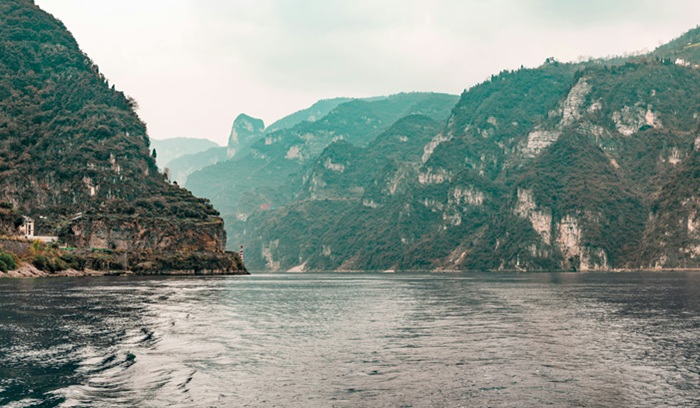
Yangtze River

China removes more than 300 dams along Yangtze River tributary to restore biodiversity

China has claimed to dismantle 300 dams and decommission more than 90% of small hydropower stations along the Chishui River since 2020. The move is seen as one of the world’s largest state-led efforts to restore aquatic biodiversity, reversing decades of hydro-infrastructure development that critically endangered native fish species, the South China Morning Post reported. The Yangtze sturgeon, declared extinct in the wild by the International Union for Conservation of Nature in 2022, has now shown signs of recovery.

Holding a smiling baby

World’s first malaria treatment for newborn babies gets approval

Switzerland’s drug regulator has cleared the way for a new medicine to become available in parts of Africa where the life-threatening disease is endemic. In a late-stage clinical trial, pharmaceutical giant Novartis showed the drug was safe and effective for babies. The lack of specialized treatment – and the fact that babies are not vaccinated until they are around five months old – has left the youngest infants relatively unprotected against malaria, a mosquito-borne disease that kills about 597,000 people per year.

Pride celebration with pride flag in foreground

In landmark ruling, same-sex couples recognized as family by Ukrainian court

Kyiv’s Desniansky District Court has formally recognized a same-sex couple as a family, marking the first legal precedent of its kind in Ukraine, human rights organization Insight LGBTQ has announced. Ukraine does not currently recognize same-sex marriages or partnerships, and this court ruling may serve as a critical legal milestone in expanding rights for LGBTQ families. According to a 2024 poll by the Kyiv International Institute of Sociology, 70% of Ukrainians believe LGBTQ citizens should have equal rights.