Nations

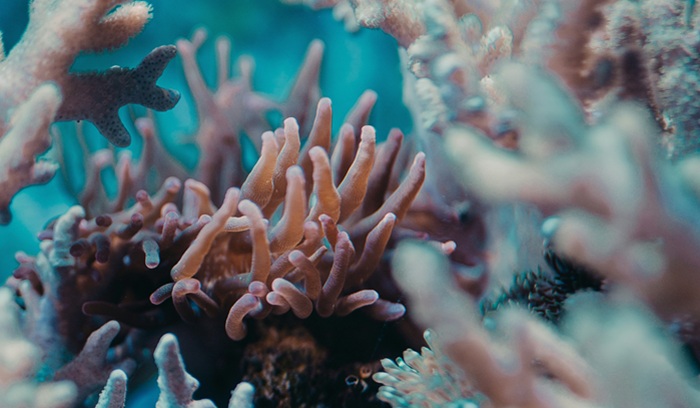
Coral

The Philippines protects massive coral hotspot

A significant victory for marine conservation has been achieved in the Philippines, where a new law establishes a vast marine protected area off Panaon Island. The legally protected seascape covers approximately 151,000 acres and is home to some of the world’s most climate-resilient coral reefs. This action, championed by local communities and a multi-year effort, not only safeguards endangered species but also supports the livelihoods of local fisherfolk.
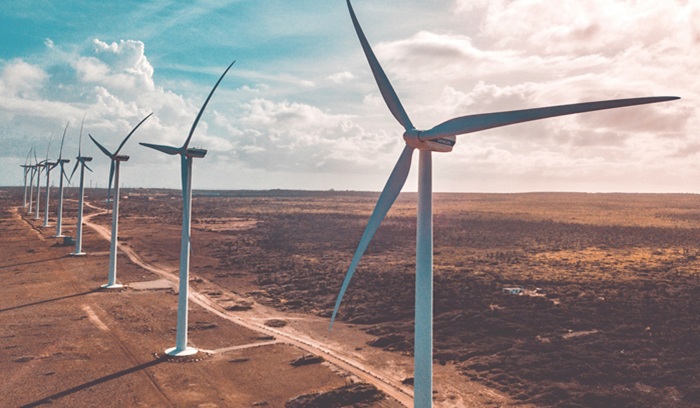
Wind turbines in the desert

Clean energy to provide one-third of India’s utility electricity for first time ever

India’s energy sector is experiencing a monumental shift, marked by a record 20% surge in clean electricity generation in the first half of 2025. This significant increase, fueled by wind and solar power, has allowed the country to reduce its fossil fuel output by 4%. The growing share of clean power in India’s energy mix demonstrates that robust economic growth and environmental sustainability are not mutually exclusive goals.

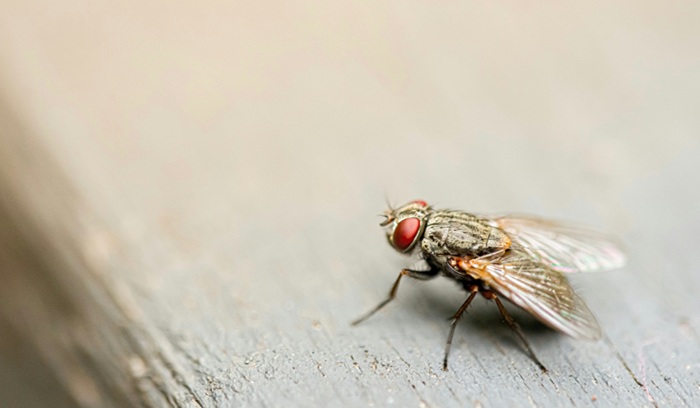
Fly

Kenya declared free of deadly sleeping sickness by WHO

Kenya has officially eliminated sleeping sickness as a public health problem—becoming the tenth country worldwide and the fifth in Africa to reach this milestone. The disease, spread by tsetse flies, causes fever, swollen lymph nodes and, if untreated, severe damage to the nervous system, disrupting sleep and leading to coma or death. Kenya recorded its last local case in 2009 and its last imported cases in 2012 after years of investment in surveillance, diagnostics and fly control. With WHO validation, Kenya’s success strengthens Africa’s collective drive to eliminate sleeping sickness across the continent by 2030.

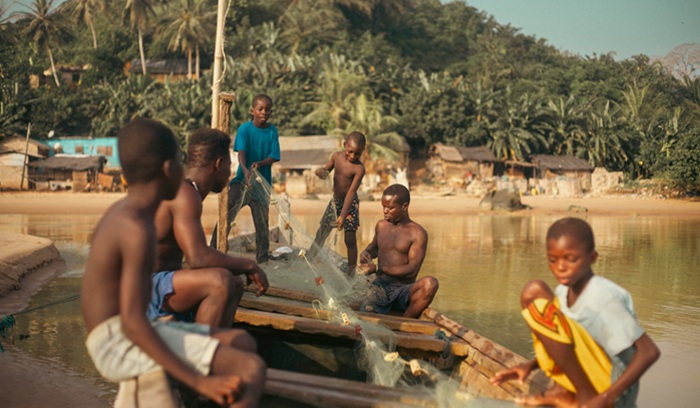
Fishing people in Ghana

Ghana passes landmark legislation to protect artisanal fisheries

Ghana has enacted the Fisheries and Aquaculture Act of 2025, a landmark reform that strengthens protections for its artisanal fishing communities. The law doubles the inshore exclusion zone (IEZ) from 6 to 12 nautical miles, effectively banning industrial trawlers from critical coastal waters and safeguarding vital breeding grounds. It also introduces mandatory electronic monitoring on industrial vessels, tougher penalties for illegal activity, and greater autonomy for the Fisheries Commission in managing marine resources. Signed into law by President Mahama on August 19, the reform is widely seen as a major step toward rebuilding overfished stocks, defending livelihoods, and positioning Ghana as a leader in sustainable West African fisheries management.

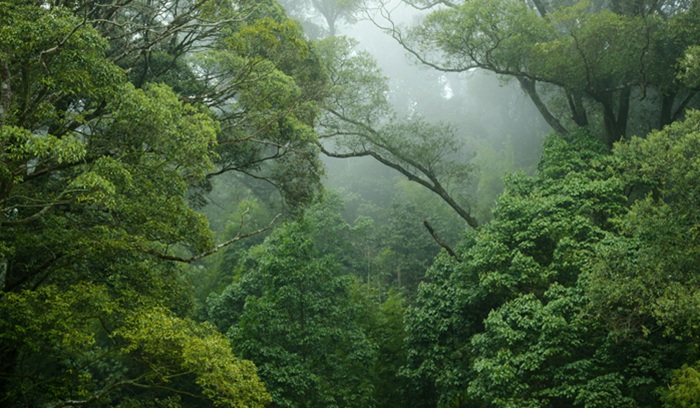
Rainforest

Guatemala, Mexico, and Belize to protect 14 million acres of Mayan forest

Leaders from Mexico, Guatemala, and Belize have unveiled formal plans to establish the Great Mayan Jungle Biocultural Corridor, a transnational conservation initiative spanning over 14 million acres of tropical forest. This corridor will become the second-largest protected area in the Americas, following only the Amazon. The initiative aims to combat deforestation, illegal logging, and organized crime by integrating strong security measures with community-led conservation efforts. A governing council comprising environmental and Indigenous representatives will oversee development projects within the reserve, ensuring they align with ecological and cultural preservation goals.

Poon Hill, Histan Mandali, Nepal

Nepal eliminates rubella as a public health problem

Nepal has officially eliminated rubella, a contagious virus that can cause serious complications for pregnant women and lifelong disabilities for newborns. Once a major public health concern, rubella often led to miscarriage, stillbirth, or congenital rubella syndrome, which can result in heart defects, deafness, and developmental challenges. Thanks to sustained vaccination campaigns and resilient health systems, Nepal has now achieved over 95% coverage since 2012. Verified by the World Health Organization, this milestone means safer pregnancies, healthier children, and greater hope for future generations.

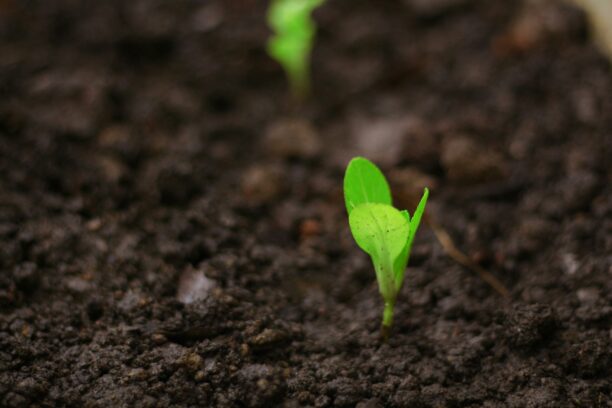
Plant sprouting from the soil

Ethiopia to plant 700 million trees in one day

Ethiopia has launched a record-breaking push to plant 700 million trees in a single day, part of a plan to grow 50 billion by 2026 to fight deforestation, boost livelihoods, and tackle climate change. By early morning, 14.9 million people had already planted 355 million seedlings. The nationwide effort has been championed by Prime Minister Abiy Ahmed since 2019 as a personal and national priority.

Inside Vatican dome

Vatican strikes solar farm deal to become the world’s first carbon-neutral state

Italy has agreed to a Vatican plan to build a solar farm on 1,000 acres near Rome, aiming to make Vatican City the world’s first carbon-neutral state. The Santa Maria Galeria project will generate enough clean energy for the micronation while preserving the land’s agricultural use and minimizing environmental impact. This step marks a significant commitment by the Vatican toward sustainability and climate leadership.

Australian money

Australia cuts student debt by 20%, easing pressure on millions

Australia will cut student loan balances by 20%, delivering over A$16 billion in relief to three million people. A graduate with an average loan of A$27,600 will see about A$5,520 erased, with changes backdated to June 1, 2025, before a 3.2% inflation adjustment. The law also lifts the repayment threshold to A$67,000 in annual income, easing the burden on lower earners and delaying repayments for many.

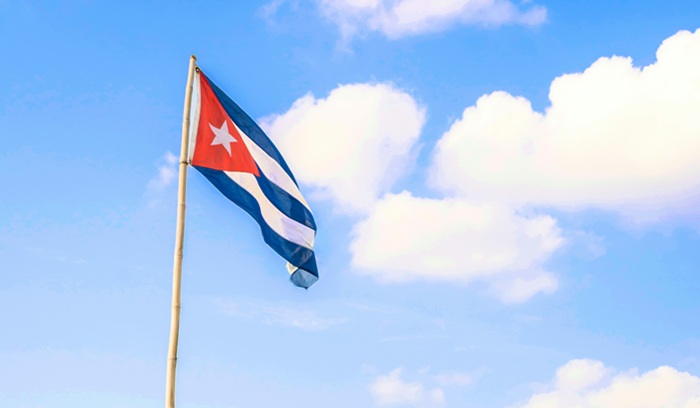
Cuban flag

Cuba now allows trans people to change ID gender markers without requiring surgery

Cuba’s National Assembly of People’s Power has passed a landmark law granting people the right to change their gender markers without first proving they’ve undergone genital-affirming surgery—a breakthrough victory years in the making for the nation’s trans and nonbinary communities. The new Civil Registry code also expands recognition of love and partnership, formally acknowledging unmarried couples through emotional unions and cohabitation agreements. Together, these reforms mark a major step toward greater dignity, equality, and legal inclusion for all Cubans.