Nations

Jaguar

Mexico’s jaguar numbers up 30% since 2020 in conservation drive

Mexico is celebrating a major conservation success with a recent surge in its jaguar population, which increased by approximately 30% since 2010, according to the national census. This achievement is the result of strong national investment and strategic protection of habitat corridors. By reducing human-wildlife conflict through compensation schemes, organizations like the World Wildlife Fund and the Wildlife Conservation Society secured the future of this umbrella species.


Dubois Collection skull

The Netherlands is returning a fossil collection taken from Indonesia in the colonial era

An important step in cultural justice has been achieved as the Netherlands formally returned thousands of historical and scientific artifacts to Indonesia.
The objects, known as the Dubois Collection, include ancient Javanese treasures, significant natural history fossils, and complete institutional collections. Notably, the return includes materials related to the famous “Java Man” hominid fossil. This transfer empowers Indonesian scholars and citizens with full access to their national history and vital scientific data, serving as an important model for international cooperation and cultural self-determination globally.

Silhouette of palm tree

Barbados, Belize, Dominica, and St Vincent launch EU-style deal to let citizens work freely across borders

This groundbreaking pact has created a new, flexible labor market across the Caribbean. Citizens of Barbados, Belize, Dominica, and St Vincent can now live and work in any of the four countries without needing complex work permits. This freedom of movement is expected to significantly boost regional economic resilience by addressing labor shortages. The initiative also strengthens social ties and promotes family stability across the participating nations.

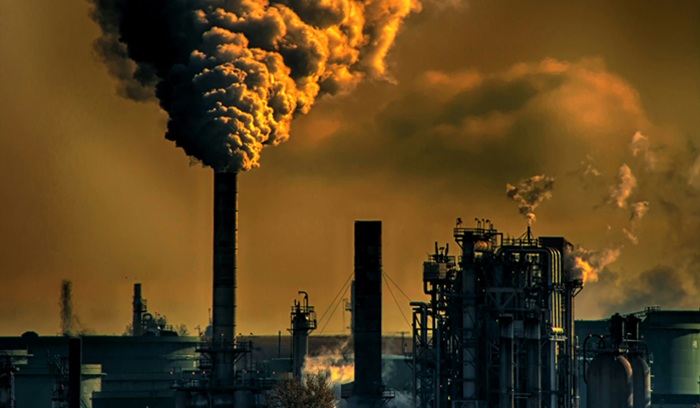
Industrial facility polluting

China commits to an absolute target to cut its emissions for the first time

China, the world’s largest emitter of greenhouse gases, has made a historic policy shift by committing to an absolute reduction in emissions for the first time. President Xi Jinping pledged that China would cut economy-wide emissions by 7-10% below peak levels by 2035. This commitment is driven by a domestic boom in clean energy, with solar and wind capacity now rapidly outpacing electricity demand growth. However, many climate critics argue that this initial 7-10% target is too modest. They point out that China is already on track to meet this goal under current policies, suggesting a far more ambitious cut is technically feasible and necessary to align with global climate targets.

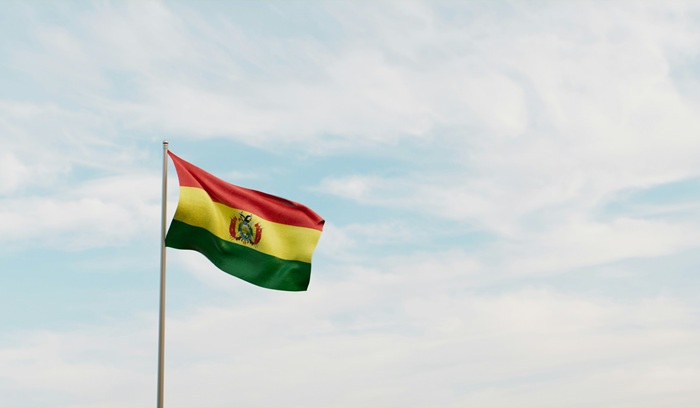
Bolivian flag

Bolivia bans child marriage

In a major victory for children’s rights, Bolivia has passed a law that officially bans child marriage. This landmark legislation, which makes Bolivia the 14th country in Latin America to take this step, eliminates legal loopholes that had previously allowed 16- and 17-year-olds to marry with parental consent. The change is the result of a four-year campaign by groups like Save the Children, and it’s a powerful move to protect children from violence and ensure they have a chance at a healthy future.

Man holding Palestinian flag

France, Andorra, Belgium, Luxembourg, Malta, and Monaco formally recognize Palestinian statehood

In a landmark diplomatic moment, France, Belgium, and a coalition of other European nations have formally recognized a Palestinian state. The coordinated effort, announced at the United Nations General Assembly, is a powerful affirmation of the Palestinian people’s right to self-determination. This is a significant step toward a two-state solution, demonstrating a growing international consensus that a stable peace in the Middle East requires a sovereign Palestine existing alongside Israel.

Palestinian flags

Britain, Australia, and Canada formally recognize a Palestinian state

In a landmark move, the United Kingdom, Canada, and Australia have formally recognized Palestine as an independent state.
This diplomatic action, hailed as a major step toward a two-state solution, is a powerful affirmation of the Palestinian people’s right to self-determination. The coordinated effort signals a growing international consensus that a stable and lasting peace requires a sovereign Palestinian state existing alongside Israel.
While this move is largely symbolic and does nothing to mitigate the suffering happening in Gaza every day, it is perhaps still a moment of hope, demonstrating that diplomacy and international law can be key tools in resolving long-standing conflicts and moving toward justice.

Sea water crashing against rocks

Japan opens landmark osmotic power plant

A groundbreaking development has put osmotic power back on the map as a viable clean energy source. Japan has opened the world’s second large-scale osmotic power plant, a facility in Fukuoka prefecture that turns the natural mixing of freshwater and saltwater into electricity. This milestone proves that this technology is moving beyond the lab. It offers a new model for continuous, emissions-free power generation that can be integrated into existing infrastructure, providing a stable complement to intermittent sources like solar and wind.

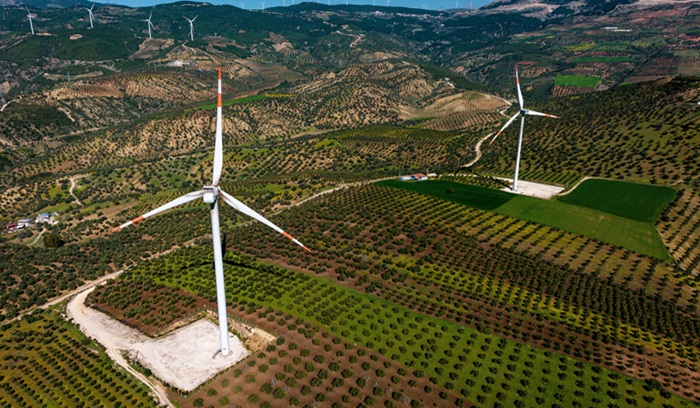
Wind turbines on a farm

Wind and solar power fuel over one-third of Brazil’s electricity for first time

Brazil has reached a clean energy milestone: in August, wind and solar supplied more than one-third of the country’s electricity for the first time. This rapid growth has cut emissions, created thousands of jobs, and reduced dependence on hydropower, which is increasingly vulnerable to drought. According to the International Energy Agency and World Bank, Brazil now leads emerging economies in showing how renewables can meet rising demand while slashing carbon pollution. The achievement positions Brazil as the only G20 nation currently on track to meet its COP28 renewable energy commitments.

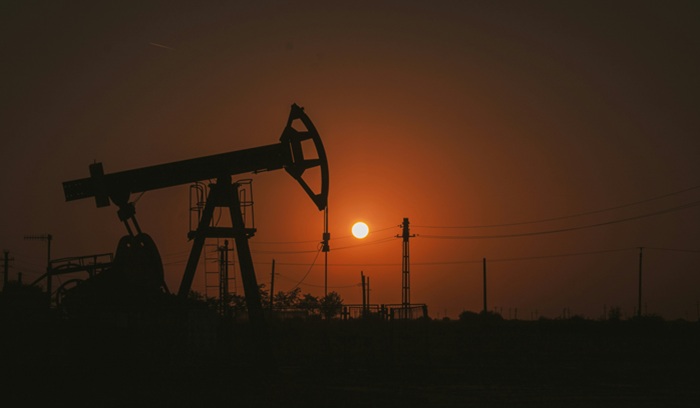
Oil rig at sunset

Guatemala closes massive oil field

Guatemala has permanently closed the Xan oil field in Laguna del Tigre National Park, marking a major shift from fossil fuel extraction to forest protection. The site, once responsible for nearly 90% of the country’s oil production, will now serve as a security base to curb illegal logging, ranching, and trafficking in the Maya Biosphere Reserve. Conservation groups and local communities have welcomed the move, while the government is also investing in renewable energy and new conservation funds. The closure signals hope for safeguarding biodiversity, cultural heritage, and community resilience across Central America’s largest tropical forest.