
World’s first 100% hydrogen-powered trains begin operations in Germany
The new route in Lower Saxony will use only hydrogen fuel cell trains, replacing diesel trains that pollute the air and contribute to climate change.

The new route in Lower Saxony will use only hydrogen fuel cell trains, replacing diesel trains that pollute the air and contribute to climate change.

The Offenses Against the Person Act, imported from England, criminalized “unnatural offenses” and carried a maximum penalty of 10 years with hard labor.

The move is part of the country’s contribution to the global “30 by 30” conservation goal, which aims to protect 30% of the world’s seas and lands by 2030.

The WHO has hailed the west African country as first in world to stamp out Guinea worm, lymphatic filariasis, sleeping sickness and trachoma
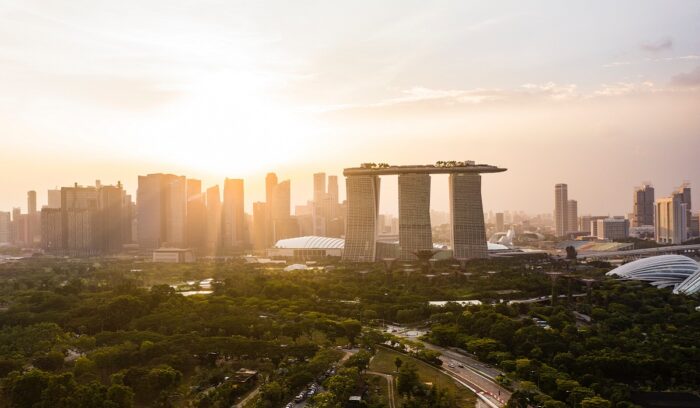
Prime Minister Lee Hsien Loong has announced the repeal of the colonial-era Section 377A of the penal code, under which sex between men is punishable by up to two years in prison.
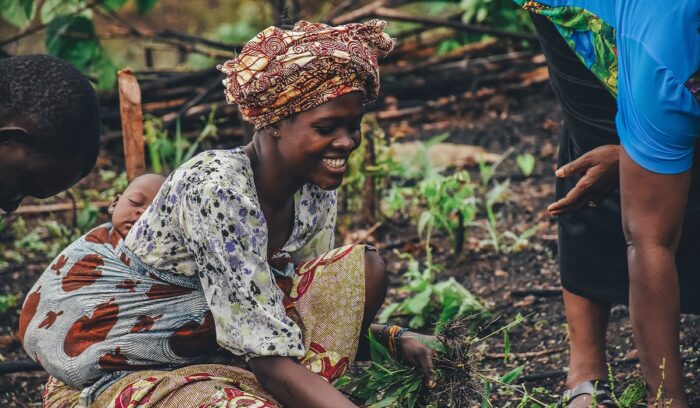
Sierra Leone’s parliament has passed two laws that lawyers say will help boost the rights of rural landowners and women against land grabs by big mining and agribusiness firms.

Ecuador’s National System of Protected Areas now includes the 13,583-acre ancestral Tiwi Nunka Forest in the country’s south.
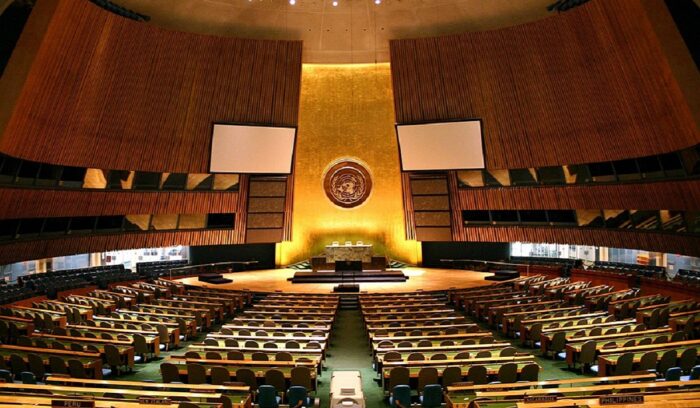
The resolution, based on a similar text adopted last year by the Human Rights Council, calls upon States, international organizations, and business enterprises to scale up efforts to ensure a healthy environment for all.
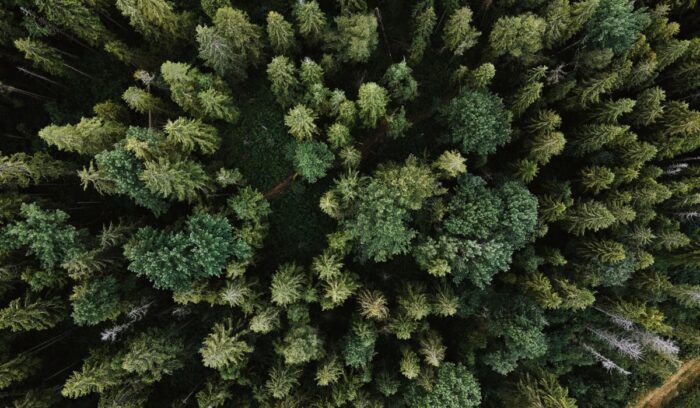
The Forest Service plans over the next couple years to scale up work from about 60,000 acres replanted last year to about 400,000 acres annually.
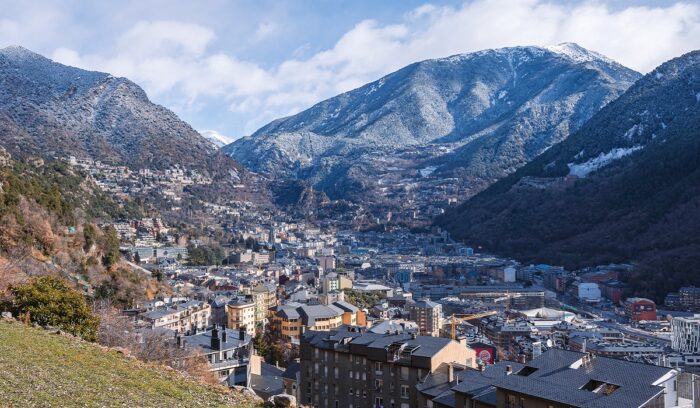
The tiny nation’s new law also creates a system for transgender people to update the name and gender marker on legal documents without providing proof of medical care.