Nations

Aerial view of forest

China has added more than 170 million acres of forest since 1990

A new national inventory confirms China’s massive environmental success, demonstrating a major increase in forest cover roughly equivalent to the size of Texas. This unparalleled reforestation effort has dramatically enhanced the nation’s ability to sequester CO2, boosting its climate mitigation goals. By successfully reversing decades of deforestation and empowering millions of local land stewards, China has proven that large-scale ecological recovery is achievable.

Muralist painting

Ireland secures creative future with permanent basic income for artists

Ireland has cemented its role as a global cultural leader by making its basic income pilot for artists a permanent national policy. This historic commitment guarantees a stable foundational income for thousands of creative workers. This economic security removes pressure and allows artists to fully dedicate themselves to innovation. The program affirms that art and culture are essential public goods and vital to the national economy.

Neon Pride Rainbow

South Korea census allows same-sex couples to identify as spouses in “historic” change

South Korea has taken a major step toward equality by officially updating its national census to recognize same-sex couples as spouses. This victory, driven by civil rights advocates, is crucial for improving visibility and ensuring accurate demographic data. This powerful institutional recognition builds momentum for future legal reforms. It sets a progressive model for other nations in East Asia seeking to affirm the dignity of LGBTQ+ citizens in their national frameworks.

Humpback whales underwater

Eastern Australian humpback whale population now back to pre-whaling levels

A monumental conservation victory has been achieved with the recovery of the Eastern Australian humpback whale population. Once decimated, the population has rebounded to over 50,000 individuals, surpassing pre-whaling levels. This success, confirmed by the International Whaling Commission (IWC), proves the power of sustained international protection. By securing their migration corridor and enforcing a global ban, humanity successfully reversed the species’ decline.

African children

Niger becomes first African nation declared free from river blindness

This major public health triumph has eradicated onchocerciasis, or river blindness, in Niger. The nation is the first in Africa to achieve this World Health Organization-verified status. This victory eliminates a debilitating parasitic disease that had historically pushed populations away from fertile river valleys. The successful, multi-decade effort restores human dignity, unlocks agricultural land for economic development, and provides a powerful blueprint for eliminating other neglected tropical diseases across the continent.

Hands holding a blank smart phone

Sweden to implement nationwide mobile phone ban in schools

Sweden has implemented a decisive, nationwide ban on mobile phones in schools to enhance student focus and academic performance. This new policy is a strong commitment to creating a distraction-free learning environment. Preliminary data suggests the ban will boost student test scores and significantly improve social skills by encouraging face-to-face interaction. This comprehensive approach serves as a modern blueprint for other nations seeking to protect educational integrity and student mental health.

Jaguar

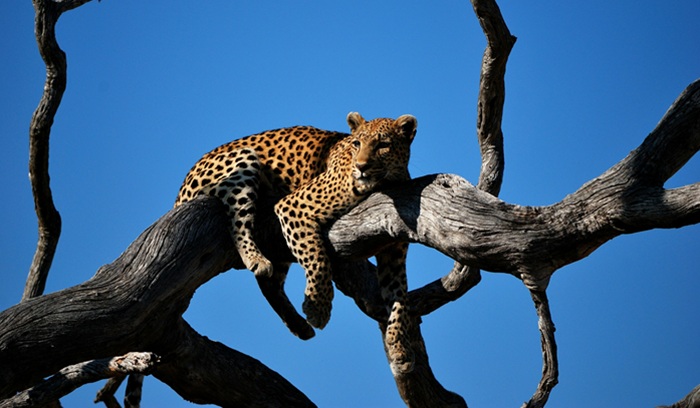
Mexico’s jaguar numbers up 30% since 2020 in conservation drive

Mexico is celebrating a major conservation success with a recent surge in its jaguar population, which increased by approximately 30% since 2010, according to the national census. This achievement is the result of strong national investment and strategic protection of habitat corridors. By reducing human-wildlife conflict through compensation schemes, organizations like the World Wildlife Fund and the Wildlife Conservation Society secured the future of this umbrella species.

Dubois Collection skull

The Netherlands is returning a fossil collection taken from Indonesia in the colonial era

An important step in cultural justice has been achieved as the Netherlands formally returned thousands of historical and scientific artifacts to Indonesia.
The objects, known as the Dubois Collection, include ancient Javanese treasures, significant natural history fossils, and complete institutional collections. Notably, the return includes materials related to the famous “Java Man” hominid fossil. This transfer empowers Indonesian scholars and citizens with full access to their national history and vital scientific data, serving as an important model for international cooperation and cultural self-determination globally.

Silhouette of palm tree

Barbados, Belize, Dominica, and St Vincent launch EU-style deal to let citizens work freely across borders

This groundbreaking pact has created a new, flexible labor market across the Caribbean. Citizens of Barbados, Belize, Dominica, and St Vincent can now live and work in any of the four countries without needing complex work permits. This freedom of movement is expected to significantly boost regional economic resilience by addressing labor shortages. The initiative also strengthens social ties and promotes family stability across the participating nations.

Industrial facility polluting

China commits to an absolute target to cut its emissions for the first time

China, the world’s largest emitter of greenhouse gases, has made a historic policy shift by committing to an absolute reduction in emissions for the first time. President Xi Jinping pledged that China would cut economy-wide emissions by 7-10% below peak levels by 2035. This commitment is driven by a domestic boom in clean energy, with solar and wind capacity now rapidly outpacing electricity demand growth. However, many climate critics argue that this initial 7-10% target is too modest. They point out that China is already on track to meet this goal under current policies, suggesting a far more ambitious cut is technically feasible and necessary to align with global climate targets.